Edgewood Car Accident Lawyers
Complete Guide to Car Accident Laws, Injury Claims, and Best Practices in Edgewood, New Mexico
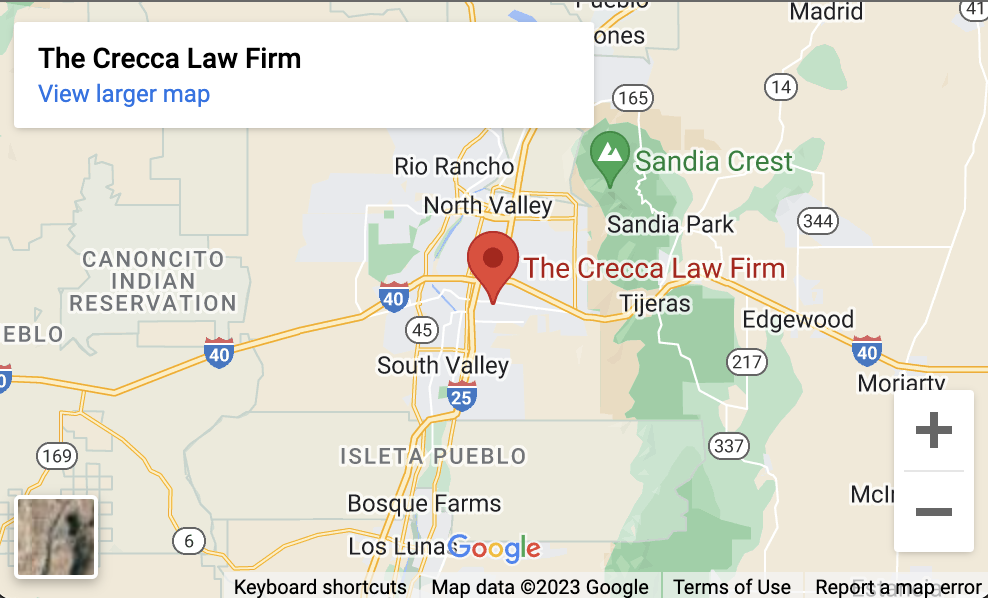
Car accidents in Edgewood, New Mexico can happen suddenly and leave victims facing painful injuries, medical bills, vehicle damage, missed work, insurance disputes, and uncertainty about what to do next. Whether a crash happens on I-40, NM 344, NM 333/Historic Route 66, NM 217, Dinkle Road, Venus Road, Church Street, near Edgewood’s commercial areas, near school zones, along rural residential roads, or on routes connecting Edgewood to Moriarty, Tijeras, Cedar Crest, Sandia Park, Albuquerque, and Santa Fe County communities, the aftermath can be overwhelming.
Edgewood is a growing East Mountain community with a unique mix of highway traffic, rural roads, commuter routes, residential subdivisions, commercial corridors, school traffic, delivery vehicles, motorcycles, pedestrians, cyclists, wildlife, winter weather, and drivers traveling between Albuquerque and the Estancia Valley. Unlike dense urban areas, many Edgewood-area crashes involve high-speed travel, rural intersections, limited lighting, long stopping distances, wind, dust, snow, ice, animals, and drivers unfamiliar with mountain and rural road conditions.
This mix of traffic creates serious crash risks. A driver who speeds, looks down at a phone, follows too closely, passes unsafely, drives impaired, fails to yield, runs a stop sign, or fails to adjust for weather, darkness, wildlife, curves, hills, or rural road conditions can cause a devastating collision. Even a moderate-speed crash can become serious when it occurs on a rural road, at an uncontrolled intersection, in icy conditions, or at highway speed on I-40.
That is why many injured people search for Car Accident Lawyers Edgewood New Mexico after a collision. An experienced car accident lawyer can investigate the crash, preserve important evidence, communicate with insurance adjusters, identify every liable party, calculate the full value of damages, negotiate a settlement, and file a lawsuit when necessary.
Call (505) 766-9999 for a FREE consultation. The personal injury attorneys at the Crecca Law Firm can negotiate with insurance adjusters on your behalf and help with your injury claim.
Understanding Car Accident Law in Edgewood, New Mexico
New Mexico uses a fault-based system for car accident claims. This means the person or party responsible for causing the crash may also be responsible for paying for the injuries and damages that result. In most Edgewood car accident cases, the injured person may file a claim against the at-fault driver’s insurance company.
If the at-fault driver has no insurance, does not have enough insurance, or leaves the scene of the crash, the injured person may need to look to their own insurance coverage. This may include uninsured motorist coverage, underinsured motorist coverage, collision coverage, medical payments coverage, or other available policy benefits.
Most car accident claims are based on negligence. Negligence means that someone failed to use reasonable care under the circumstances. In an Edgewood motor vehicle crash, negligence may include:
Speeding on I-40 or rural roads
Texting while driving
Running a stop sign
Failing to yield
Driving while intoxicated
Driving under the influence of drugs
Following too closely
Making an unsafe turn
Passing unsafely
Failing to watch for cyclists or pedestrians
Failing to adjust for wildlife or road hazards
Driving too fast for wind, snow, ice, rain, dust, or darkness
Driving aggressively or recklessly
Operating an unsafe or poorly maintained vehicle
To recover compensation, the injured person generally must show that another party owed a duty to drive safely, violated that duty, caused the crash, and caused damages. These damages may include medical expenses, lost wages, vehicle damage, pain and suffering, emotional distress, reduced earning capacity, permanent impairment, and future medical care.
Car accident cases in Edgewood may involve passenger cars, pickup trucks, motorcycles, pedestrians, cyclists, delivery vehicles, rideshare drivers, commercial vehicles, tractor-trailers, commuters, tourists, government vehicles, construction vehicles, uninsured drivers, and out-of-town drivers. Each type of case may involve different evidence, insurance coverage, liability issues, and legal strategy.
New Mexico’s Pure Comparative Negligence Rule
One of the most important rules in New Mexico car accident cases is pure comparative negligence. Under this rule, an injured person may still recover compensation even if they were partially responsible for the crash. However, the amount recovered may be reduced by the injured person’s percentage of fault.
For example, if a victim has $100,000 in damages but is found 20% responsible, the recovery may be reduced by 20%, leaving a potential recovery of $80,000.
This rule matters because insurance companies often try to shift blame onto the injured person. Even when another driver caused the crash, the adjuster may argue that the victim was speeding, distracted, failed to brake, failed to avoid the collision, or made an unsafe maneuver.
In Edgewood, insurance companies may also try to argue that a driver should have reacted differently to snow, ice, wind, wildlife, darkness, gravel, hills, or sudden traffic changes. They may try to blame a cyclist, motorcyclist, pedestrian, or driver on a rural road to reduce the value of the claim. These arguments can be challenged with evidence.
Experienced Car Accident Lawyers Edgewood New Mexico can help push back against unfair blame by reviewing police reports, gathering witness statements, analyzing vehicle damage, preserving photographs and videos, obtaining medical records, investigating roadway conditions, and working with accident reconstruction experts when necessary.
Statute of Limitations for Car Accident Claims in New Mexico
In New Mexico, injured people generally have a limited amount of time to file a personal injury lawsuit after a car accident. Waiting too long can result in the loss of the right to seek compensation.
Even when a deadline seems far away, delays can seriously weaken a case. Surveillance footage may be erased. Vehicles may be repaired or destroyed. Skid marks may disappear. Road conditions may change. Weather-related evidence may be lost. Witnesses may forget important details. Medical documentation may become harder to connect to the crash if treatment is delayed.
Some cases may involve shorter deadlines or special notice requirements. This is especially important if the crash involves a government vehicle, public employee, dangerous public road condition, defective traffic signal, construction zone, law enforcement vehicle, county vehicle, state agency, public school vehicle, or public roadway maintenance problem.
Because deadlines can be complicated, injured victims should speak with an attorney as soon as possible after an Edgewood car accident.
Edgewood New Mexico Accident Hotspots
Edgewood has several roads, intersections, and traffic corridors where serious crashes are more likely because of highway speeds, rural roadway design, commuter traffic, weather, wildlife, limited lighting, commercial access points, school traffic, and access to nearby high-volume routes. Understanding local accident hotspots helps explain why crashes occur and what kinds of negligent driving may be involved.
I-40 Near Edgewood
I-40 is one of the most important and dangerous traffic corridors near Edgewood. Drivers use it to travel between Albuquerque, Tijeras, Edgewood, Moriarty, Santa Rosa, and communities throughout central and eastern New Mexico. It carries passenger vehicles, commuters, commercial trucks, long-distance drivers, tourists, motorcycles, and work vehicles.
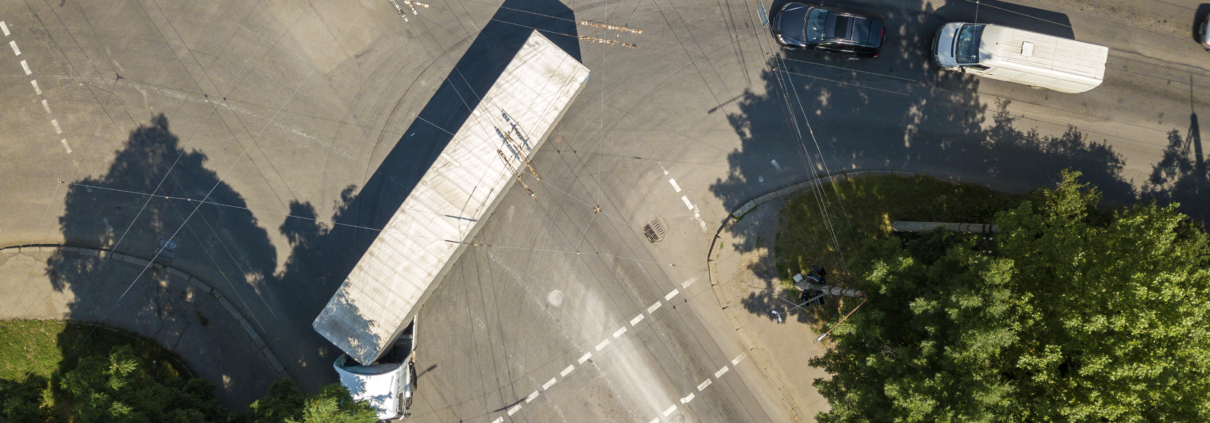
Because I-40 involves high speeds, merging traffic, commercial trucking, weather changes, and long-distance travel, crashes can be severe. A collision on I-40 may involve multiple vehicles, tractor-trailers, delivery vehicles, pickup trucks, motorcycles, out-of-state drivers, or fatigued drivers.
Common I-40 accidents near Edgewood include:
Rear-end collisions in congestion
High-speed side-swipe crashes
Unsafe lane-change accidents
Rollover crashes
Commercial truck collisions
Fatigued driving crashes
Impaired driving crashes
Multi-vehicle pileups
Construction-zone collisions
Crashes caused by sudden braking
Wind, snow, ice, rain, or dust-related crashes
Because I-40 crashes may involve multiple parties and insurance companies, careful investigation is often necessary.
NM 344
NM 344 is one of the most important roads serving Edgewood. It connects local neighborhoods, schools, businesses, rural roads, and I-40 access areas. Because NM 344 carries both local traffic and drivers connecting to the interstate, crashes can happen when motorists fail to adjust between highway-speed travel and slower local road conditions.
Common crash patterns on NM 344 include:
Rear-end collisions
Left-turn accidents
T-bone crashes
School-zone accidents
Pedestrian and bicycle crashes
Crashes near businesses and driveways
Failure-to-yield collisions
Accidents caused by distracted driving
Crashes involving drivers entering or exiting I-40
Drivers on NM 344 must watch for turning vehicles, school traffic, pedestrians, cyclists, commercial vehicles, sudden stops, and changing weather conditions.
NM 333 / Historic Route 66
NM 333, also known in many areas as Historic Route 66, is an important route through the East Mountains and Edgewood area. It carries local drivers, commuters, tourists, motorcycles, commercial vehicles, and drivers traveling between communities along the old Route 66 corridor.
Crashes on NM 333 may involve speeding, unsafe passing, rear-end collisions, distracted driving, motorcycle accidents, pedestrian crashes near businesses, and collisions involving drivers unfamiliar with the area.
Because this corridor may include curves, local access points, commercial areas, and drivers transitioning between rural and town traffic, safe speed and attention are critical.
NM 217
NM 217 serves rural and residential areas near Edgewood and the East Mountain region. Roads like NM 217 may include curves, limited shoulders, changing sightlines, wildlife, driveways, and drivers traveling at different speeds.
Crashes on NM 217 may involve:
Vehicle departure accidents
Head-on collisions
Unsafe passing crashes
Rear-end collisions
Motorcycle crashes
Wildlife-related crashes
Crashes caused by poor visibility
Accidents involving icy or wet roads
Drivers on rural roads must slow down and stay alert for unexpected conditions.
Dinkle Road
Dinkle Road is a key local road in the Edgewood area. It may carry residential traffic, school traffic, local business traffic, delivery drivers, and drivers connecting between neighborhoods and larger corridors. Crashes may occur when drivers speed, fail to yield, follow too closely, or become distracted.
Common Dinkle Road accidents may involve rear-end crashes, side-impact crashes, unsafe turns, driveway collisions, pedestrian accidents, and crashes near local destinations.
Venus Road
Venus Road and nearby local roads can create crash risks when drivers speed, fail to yield, make unsafe turns, or fail to account for rural-road conditions. Like many Edgewood roads, traffic may include local residents, school traffic, delivery drivers, and vehicles entering from driveways or side streets.
Church Street and Local Business Areas
Church Street and other roads near Edgewood commercial areas may involve vehicles entering and exiting businesses, pedestrians, parking lot traffic, turning vehicles, and drivers watching storefronts rather than the road.
Crashes near local businesses may include rear-end collisions, pedestrian accidents, side-swipes, backing accidents, left-turn collisions, and parking lot crashes.
Edgewood School Zones
Edgewood school zones require extra caution because children, buses, parents, young drivers, pedestrians, and cyclists may all be present. School-zone crashes may happen when a driver speeds, looks at a phone, ignores a bus, fails to yield, or makes an unsafe turn.
School-zone crashes can be especially serious because children are more vulnerable to severe injury.
Rural Residential Roads
Edgewood includes many rural residential roads where drivers may encounter narrow lanes, limited lighting, gravel shoulders, animals, driveways, mailboxes, pedestrians, cyclists, and vehicles entering from side roads. These roads may seem quiet, but that can make sudden hazards more dangerous because drivers may not expect them.
Crashes on rural residential roads may involve:
Vehicles leaving the roadway
Head-on collisions
Rollover crashes
Single-vehicle impacts
Motorcycle crashes
Bicycle crashes
Wildlife-related crashes
Driveway and side-road collisions
Crashes involving darkness or poor visibility
Wildlife Crossing Areas
Edgewood roadways may involve wildlife hazards, especially around dawn, dusk, and nighttime driving. Drivers may encounter deer, elk, livestock, dogs, horses, or other animals near roads. While not every wildlife incident creates a liability claim, another driver may still be responsible if they speed, follow too closely, overcorrect, swerve into another lane, or fail to maintain control.
Winter Weather and East Mountain Road Conditions
Edgewood drivers may encounter snow, ice, sleet, freezing rain, fog, high winds, blowing dust, and sudden temperature changes. Roads that seem safe in one area may become slick in shaded spots or on bridges. Drivers who do not slow down for weather can cause serious crashes.
Causes of Car Accidents in Edgewood
Most serious crashes are preventable. Identifying the cause of the accident is one of the most important parts of building a strong injury claim.
Distracted Driving
Distracted driving is one of the most common causes of car accidents in Edgewood and throughout New Mexico. A driver who looks away from the road for only a few seconds can miss stopped traffic, a curve, a pedestrian, a cyclist, a turning vehicle, a driveway, wildlife, a school bus, or a sudden road change.
Common distractions include:
Using GPS
Checking social media
Eating or drinking
Adjusting music
Talking to passengers
Reaching for objects
Looking at scenery
Using in-vehicle screens
Distracted driving often causes rear-end collisions, lane departures, pedestrian accidents, bicycle crashes, vehicle departures, and intersection collisions.
Speeding
Speeding is especially dangerous on I-40, NM 344, NM 333, NM 217, and rural residential roads where cyclists, pedestrians, animals, turning vehicles, limited shoulders, school traffic, and changing weather may be present. A driver traveling too fast may not have enough time to react to a curve, animal, walker, cyclist, stopped vehicle, school bus, or vehicle turning into a driveway.
Speeding increases the risk of:
Fatal injuries
Rollover accidents
Severe rear-end crashes
Pedestrian deaths
Bicycle fatalities
Motorcycle crashes
Traumatic brain injuries
Spinal cord injuries
Vehicle departures from the roadway
Multi-vehicle highway crashes
Even when a driver is near the posted speed limit, they may still be negligent if they are driving too fast for curves, hills, darkness, glare, dust, rain, snow, ice, pedestrians, cyclists, animals, or road conditions.
Drunk and Drugged Driving
Impaired driving remains one of the most dangerous causes of car accidents in New Mexico. Alcohol, cannabis, illegal drugs, prescription medication, and combinations of substances can affect judgment, reaction time, coordination, vision, and decision-making.
An impaired driver may drift between lanes, run stop signs, fail to brake, speed, drive too slowly, leave the roadway, overcorrect, or make unsafe turns. In severe cases, drunk or drugged driving may support punitive damages.
Aggressive Driving
Aggressive driving includes tailgating, cutting off other drivers, speeding, unsafe passing, brake-checking, refusing to yield, racing, and road rage. These behaviors are especially dangerous on I-40 and on rural roads where curves, hills, limited shoulders, and weather may not allow safe passing or sudden maneuvers.
Aggressive driving may be especially dangerous on I-40, NM 344, NM 333, NM 217, Dinkle Road, and connecting roads toward Moriarty, Tijeras, Cedar Crest, and Albuquerque.
Failure to Yield
Failure-to-yield crashes commonly happen at intersections, driveways, merge areas, left-turn locations, and side-road entrances. A driver may misjudge the speed of oncoming traffic or assume another vehicle, cyclist, pedestrian, or motorcycle will stop.
These crashes often cause T-bone collisions, motorcycle crashes, bicycle crashes, pedestrian injuries, and side-impact collisions.
Unsafe Passing
Unsafe passing can be especially dangerous on rural roads and two-lane corridors. A driver who attempts to pass a slower vehicle, cyclist, motorcycle, delivery vehicle, or turning vehicle may cross into opposing traffic or force another road user off the roadway.
Running Stop Signs
Stop-sign violations can cause serious crashes in Edgewood, especially at rural intersections and local roads where drivers may expect slower traffic. Running a stop sign may lead to side-impact collisions, pedestrian accidents, bicycle crashes, and motorcycle accidents.
Following Too Closely
Tailgating is a major cause of rear-end collisions. Drivers must leave enough distance to stop safely. This is especially important on roads where vehicles may slow for curves, wildlife, driveways, cyclists, pedestrians, school buses, icy patches, or turning traffic.
Unsafe Turns
Unsafe turns can happen when a driver turns without signaling, fails to check for cyclists or pedestrians, turns across traffic, or misjudges the speed of another vehicle. These crashes are common near driveways, rural intersections, school zones, businesses, and road access points.
Failure to Watch for Pedestrians, Cyclists, and Motorcyclists
Edgewood roads may include pedestrians, cyclists, and motorcyclists. Drivers must watch carefully near residential roads, school zones, local businesses, rural corridors, and scenic routes. A driver who fails to yield, passes too closely, or drives distracted may cause devastating injuries.
Wildlife and Animal-Related Hazards
Drivers in Edgewood must watch for wildlife and animals near rural roads. A crash may occur when a driver swerves suddenly, stops abruptly, or loses control after encountering an animal. Another driver may be liable if they were following too closely, speeding, overcorrecting, crossing the centerline, or failing to maintain control when an animal-related hazard occurred.
Fatigued Driving
Fatigued driving can be as dangerous as impaired driving. Tired drivers may react slowly, drift out of lanes, miss signs, or fall asleep behind the wheel. Fatigue can affect commuters, truck drivers, delivery drivers, shift workers, medical workers, and anyone driving long distances on I-40 or rural roads.
Poor Weather and Road Conditions
Edgewood drivers may encounter wind, dust, rain, fog, snow, ice, sleet, darkness, and reduced visibility. Drivers are expected to adjust speed and following distance when road conditions are unsafe.
A driver who loses control because they were traveling too fast for conditions may still be responsible for the crash.
Poor Vehicle Maintenance
Some crashes are caused by unsafe vehicles. Brake failure, tire blowouts, defective headlights, steering problems, worn tires, weak batteries, and ignored warning lights can all contribute to accidents.
If poor maintenance caused the crash, liability may involve a vehicle owner, repair shop, employer, dealership, manufacturer, or parts supplier.
Common Types of Car Accidents in Edgewood
Rear-End Collisions
Rear-end crashes are common when drivers follow too closely, become distracted, or fail to react to slowing traffic. In Edgewood, rear-end crashes may happen when a driver slows for congestion, a school bus, a curve, wildlife, driveway, cyclist, pedestrian, motorcycle, icy patch, or turning vehicle.
Even when rear-end collisions occur at moderate speeds, they can cause whiplash, back injuries, concussions, shoulder injuries, and chronic pain.
T-Bone Collisions
T-bone crashes often happen when one driver runs a stop sign, fails to yield, or makes an unsafe turn. These crashes are dangerous because the side of a vehicle provides less protection than the front or rear.
Head-On Collisions
Head-on crashes are among the most catastrophic types of accidents. They may happen when a driver crosses the centerline, drives impaired, falls asleep, passes unsafely, overcorrects, or loses control on a narrow or rural road.
Rollover Accidents
Rollover crashes may happen when a vehicle is struck at an angle, overcorrects, leaves the roadway, or travels too fast through a curve. SUVs, pickup trucks, vans, and taller vehicles may be more vulnerable to rollovers.
Vehicle Departure Crashes
Because some Edgewood roads may have limited shoulders, ditches, slopes, driveways, curves, hills, gravel, and narrow travel lanes, a vehicle that leaves the roadway can strike a tree, fence, ditch, wall, utility pole, rock, embankment, guardrail, or other roadside hazard.
Multi-Vehicle Accidents
Multi-vehicle accidents can be complicated because more than one driver may share fault. These crashes often involve multiple insurance companies and disputed liability, especially on I-40, near interchanges, and during bad weather.
Pedestrian Accidents
Pedestrians are vulnerable to severe injury when struck by a vehicle. Pedestrian crashes may happen near school zones, residential roads, local businesses, parking lots, neighborhood entrances, and community areas.
Bicycle Accidents
Cyclists can suffer serious injuries when drivers fail to yield, pass too closely, turn across their path, follow too closely, or drive distracted. Rural and residential roads can be especially dangerous for cyclists when drivers do not share the road.
Motorcycle Accidents
Motorcyclists are exposed to significant injury risk. A motorcycle crash may be caused by a driver who fails to see the rider, turns left across traffic, follows too closely, changes lanes unsafely, passes recklessly, or drives impaired.
Hit-and-Run Accidents
Hit-and-run crashes create special challenges because the responsible driver leaves the scene. Victims may need police investigation, witness information, surveillance video, dashcam footage, and uninsured motorist coverage.
Commercial Truck Accidents
Because I-40 carries substantial commercial truck traffic, Edgewood-area crashes may involve tractor-trailers, delivery trucks, box trucks, work vehicles, utility trucks, or company vehicles. These cases can involve federal regulations, employer liability, maintenance records, driver logs, and black box data.
Common Types of Car Accident Injuries
Car accident injuries may be immediate, delayed, temporary, or permanent. Some victims feel pain right away, while others develop symptoms hours or days later.
Whiplash and Neck Injuries
Whiplash occurs when the head and neck are forced back and forth. Symptoms may include stiffness, headaches, dizziness, shoulder pain, nerve symptoms, and limited range of motion.
Back Injuries
Back injuries may involve herniated discs, bulging discs, spinal fractures, muscle strain, nerve compression, and chronic pain. These injuries can make it difficult to work, sleep, drive, lift, or sit for long periods.
Traumatic Brain Injuries
A traumatic brain injury can occur even without a direct blow to the head. The force of a crash can cause the brain to move inside the skull. Symptoms may include headaches, confusion, memory problems, mood changes, nausea, dizziness, light sensitivity, and concentration issues.
Broken Bones
Fractures may involve the arms, legs, ribs, hips, ankles, wrists, collarbone, or facial bones. Serious fractures may require surgery, hardware, physical therapy, and extended time away from work.
Shoulder and Knee Injuries
The force of a collision can damage joints, ligaments, tendons, cartilage, and muscles. Shoulder and knee injuries may require orthopedic care, injections, therapy, or surgery.
Internal Injuries
Internal bleeding and organ damage can be life-threatening. These injuries may not be obvious at the scene, which is why medical evaluation is important after a crash.
Burns, Scarring, and Disfigurement
Some crashes involve fires, airbag burns, chemical exposure, broken glass, or severe lacerations. Permanent scarring can create both physical and emotional damages.
Spinal Cord Injuries
A serious collision can damage the spinal cord, causing partial paralysis, full paralysis, nerve damage, chronic pain, weakness, or loss of mobility. These cases often require extensive medical treatment and long-term care.
Pedestrian and Bicycle Trauma
Pedestrians and cyclists may suffer more severe injuries than vehicle occupants because they have little physical protection. These injuries may include head trauma, broken bones, road rash, spinal injuries, internal bleeding, and permanent disability.
Motorcycle Injuries
Motorcyclists may suffer catastrophic injuries because they have limited protection during a crash. These injuries may include traumatic brain injuries, spinal cord injuries, fractures, road rash, internal injuries, amputations, and wrongful death.
Truck Accident Injuries
Crashes involving large trucks can cause catastrophic injuries because of the size and weight of commercial vehicles. Victims may suffer crushing injuries, traumatic brain injuries, spinal cord injuries, fractures, internal bleeding, and fatal injuries.
Emotional Trauma
A crash can cause anxiety, depression, panic attacks, fear of driving, sleep problems, and post-traumatic stress. Emotional harm may be part of a personal injury claim.
Wrongful Death
When a car accident causes death, surviving family members may have the right to pursue a wrongful death claim. These cases may include funeral costs, lost financial support, loss of companionship, and other damages.
Potentially Liable Parties in Edgewood Car Accident Cases
A car accident case may involve more than one liable party. Identifying every responsible party is important because it may increase the available sources of compensation.
Negligent Drivers
The most common liable party is a driver who caused the crash by speeding, texting, driving impaired, failing to yield, running a stop sign, passing unsafely, driving too fast for weather, or violating traffic laws.
Vehicle Owners
If the at-fault driver was operating someone else’s vehicle, the vehicle owner’s insurance may be involved. In some cases, the owner may be liable for allowing an unsafe or unlicensed driver to use the vehicle.
Employers
If the driver was working at the time of the crash, the employer may be responsible. This can apply to delivery drivers, company vehicle operators, contractors, sales employees, utility workers, service technicians, construction workers, and others driving for work purposes.
Commercial Vehicle Companies
If a delivery vehicle, work truck, construction vehicle, utility vehicle, semi-truck, or other commercial vehicle caused the crash, the company or organization may be liable for negligent hiring, poor training, unsafe scheduling, maintenance failures, overloaded cargo, or unsafe company policies.
Trucking Companies
Because I-40 carries significant commercial traffic, some Edgewood-area crashes may involve trucking companies. These cases may involve driver logs, federal regulations, maintenance records, cargo records, black box data, and employer liability.
Rideshare and Delivery Companies
Cases involving rideshare or app-based delivery drivers can involve complicated insurance questions. Coverage may depend on whether the driver was logged into the app, waiting for a ride, transporting a passenger, or making a delivery.
Government Entities
A government entity may be involved if a crash was caused by a dangerous roadway, missing sign, unsafe public construction zone, poor road maintenance, negligent public employee, county vehicle, state vehicle, school vehicle, or dangerous public road condition.
Vehicle Manufacturers
If a defective vehicle or part caused or worsened the crash, a manufacturer may be liable. Examples include defective brakes, tires, airbags, seatbelts, steering systems, headlights, or electronic safety features.
Repair Shops
A negligent mechanic or repair shop may be liable if poor maintenance caused brake failure, tire separation, steering failure, wheel detachment, or another mechanical problem.
Bars, Restaurants, or Alcohol Providers
If an impaired driver caused the crash, the investigation may examine where the driver obtained alcohol and whether any business or person contributed to the risk under applicable law.
Construction Companies and Road Contractors
If a crash was caused by poorly marked lanes, unsafe detours, missing signs, unsecured equipment, gravel hazards, icy work areas, or negligent traffic control, a construction company or road contractor may be responsible.
Federal and State Regulations That May Affect a Car Accident Claim
New Mexico Traffic Laws
New Mexico traffic laws control speeding, right-of-way, stop signs, impaired driving, insurance requirements, lane usage, passing, following distance, school-zone safety, and safe driving duties. A traffic violation can be strong evidence of negligence.
New Mexico Insurance Requirements
New Mexico drivers are required to carry minimum liability insurance. However, minimum coverage may not be enough after a serious crash. Medical bills, surgery, rehabilitation, lost wages, and future care can quickly exceed basic policy limits.
That is why uninsured and underinsured motorist coverage may be extremely important after an Edgewood crash.
Federal Motor Carrier Safety Regulations
If a crash involves a commercial truck or larger commercial vehicle, federal trucking regulations may apply. These rules may involve driver qualifications, hours of service, vehicle inspections, maintenance, cargo securement, drug testing, alcohol testing, and company recordkeeping.
Important evidence in commercial vehicle cases may include:
Driver logs
Electronic logging device data
Inspection reports
Maintenance records
Dispatch records
Black box data
Cargo records
Hiring and training files
Drug and alcohol testing records
Company safety policies
Work Zone and Construction Rules
Construction zones can create hazards when signs are unclear, lanes are poorly marked, barriers are misplaced, gravel is left on the road, or traffic control is inadequate. Contractors, subcontractors, government agencies, and road maintenance companies may need to be investigated.
County, State, Municipal, and School-Related Roadway Issues
Because Edgewood includes local roads, county roads, state routes, I-40 access, rural roads, school zones, and commercial corridors, some crashes may involve complicated roadway responsibility issues. Claims involving public roads, public vehicles, school vehicles, or government-controlled areas may require special procedures and fast action.
Insurance Issues in Edgewood Car Accident Cases
Insurance companies do not represent injured accident victims. They represent their own financial interests. Their goal is often to pay as little as possible.
Common Insurance Company Tactics
Insurance adjusters may:
Offer a quick low settlement
Ask for a recorded statement
Suggest that you do not need a lawyer
Claim your injuries are minor
Argue your medical treatment was unnecessary
Dispute future treatment
Blame you for the crash
Claim your injuries were pre-existing
Delay the claim
Pressure you to sign a release
Question your pain level
Argue there was not enough vehicle damage to cause injury
Suggest that a cyclist, pedestrian, or motorcyclist caused the accident
Minimize injuries from rural-road crashes
Blame wildlife, weather, ice, snow, gravel, or road conditions without investigating driver negligence
Ignore future medical needs
Undervalue lost income or long-term disability
Recorded Statements
A recorded statement can be used against you. Adjusters may ask questions designed to get you to minimize your pain, speculate about fault, or make inconsistent statements. Even honest answers can be taken out of context.
Medical Treatment Disputes
Insurance companies often challenge medical care. They may argue that treatment was too expensive, too frequent, delayed, unrelated, or unnecessary. Strong medical documentation is essential.
Pre-Existing Conditions
A pre-existing condition does not automatically prevent recovery. If the crash aggravated or worsened an existing injury or medical condition, compensation may still be available.
Uninsured and Underinsured Motorist Claims
If the at-fault driver has no insurance or not enough insurance, your own policy may provide coverage. However, your own insurance company may still dispute fault, damages, or the value of your claim.
Call (505) 766-9999 for a FREE consultation. The personal injury attorneys at the Crecca Law Firm can negotiate with insurance adjusters on your behalf and help with your injury claim.
Types of Recoverable Damages
An Edgewood car accident claim may include economic damages, non-economic damages, and, in some cases, punitive damages.
Medical Expenses
Medical damages may include ambulance transportation, emergency room care, hospitalization, surgery, doctor visits, diagnostic imaging, physical therapy, chiropractic care, pain management, medication, medical equipment, rehabilitation, and future medical treatment.
Lost Income
If injuries prevent the victim from working, compensation may include missed wages, lost overtime, lost commissions, lost bonuses, reduced hours, and lost business income.
Loss of Earning Capacity
If injuries permanently affect a person’s ability to work, the claim may include reduced future earning ability. This is especially important for victims who cannot return to the same occupation or must accept lower-paying work.
Property Damage
Property damage may include vehicle repairs, total loss value, rental car expenses, towing, storage, and damage to personal property inside the vehicle.
Pain and Suffering
Pain and suffering damages compensate for physical pain, discomfort, limitations, and the impact of injuries on daily life.
Emotional Distress
A serious crash can cause anxiety, depression, fear, sleep problems, stress, and emotional trauma.
Loss of Enjoyment of Life
If injuries prevent the victim from enjoying hobbies, exercise, family activities, driving, cycling, walking, hiking, horseback riding, travel, or normal daily routines, those losses may be included.
Permanent Disability
Some injuries cause permanent impairment. Permanent disability can significantly affect the value of a case.
Scarring and Disfigurement
Visible scars, burns, surgical scars, and disfigurement may support additional damages.
Future Medical Care
Some injuries require future surgery, injections, therapy, pain management, rehabilitation, home care, or medical equipment. These future costs should be considered before any settlement is accepted.
Wrongful Death Damages
If a loved one dies in a crash, surviving family members may pursue damages related to funeral expenses, lost support, loss of companionship, and other recognized losses.
Punitive Damages
Punitive damages may be available in cases involving extreme misconduct, such as drunk driving, racing, intentional conduct, or reckless disregard for safety.
Steps in Filing a Car Accident Claim in Edgewood
Step 1: Call 911
Always report the crash. A police report can provide important documentation, including driver information, insurance details, witness names, officer observations, citations, and diagrams.
Step 2: Seek Medical Care
Do not wait to see a doctor. Some injuries are delayed. Medical records also help connect your injuries to the crash.
Step 3: Document the Scene
If safe, take photos and videos of vehicle damage, license plates, skid marks, roadway conditions, debris, injuries, weather, nearby signs, curves, hills, shoulders, gravel, driveways, businesses, wildlife hazards, snow, ice, construction zones, and anything else that may help explain what happened.
Step 4: Exchange Information
Get the other driver’s name, phone number, address, driver’s license number, license plate, insurance company, and policy information.
Step 5: Identify Witnesses
Witness statements can be critical when fault is disputed. Get names and contact information whenever possible.
Step 6: Notify Your Insurance Company
Report the crash, but keep the conversation factual. Do not admit fault, guess about injuries, or give unnecessary details.
Step 7: Avoid Social Media
Insurance companies may review social media posts. Photos, comments, check-ins, and activity updates can be taken out of context.
Step 8: Keep Records
Save medical bills, prescriptions, repair estimates, rental car receipts, towing bills, pay stubs, missed work records, and notes about your pain and limitations.
Step 9: Do Not Accept a Quick Settlement
Once you sign a release, you may lose the right to seek more compensation. Do not settle before understanding your injuries, future treatment needs, and total losses.
Step 10: Contact Car Accident Attorneys Edgewood New Mexico
An attorney can investigate the crash, preserve evidence, handle insurance communications, value the claim, negotiate a settlement, and file a lawsuit if necessary.
The steps you take after a crash can directly affect your ability to recover compensation. Medical documentation, crash evidence, witness statements, photos, and insurance communications all matter. Having an attorney involved early can help prevent mistakes that may weaken your claim.
Call (505) 766-9999 for a FREE consultation. The personal injury attorneys at the Crecca Law Firm can negotiate with insurance adjusters on your behalf and help with your injury claim.
Why You Need Car Accident Lawyers
Many accident victims wonder whether they really need a lawyer. If there are no injuries and only minor property damage, a person may be able to handle the claim alone. But when injuries are serious, fault is disputed, insurance coverage is limited, or multiple parties are involved, legal help can make a major difference.
A Lawyer Protects You From Insurance Tactics
Insurance adjusters handle claims every day. Most injured people do not. A lawyer can protect you from unfair recorded statements, low settlement pressure, blame-shifting, delay tactics, and rushed releases.
A Lawyer Investigates the Crash
A strong claim depends on evidence. Lawyers can gather police reports, witness statements, photos, videos, medical records, vehicle damage analysis, expert opinions, roadway evidence, and accident reconstruction evidence.
A Lawyer Identifies Every Liable Party
Some crashes involve more than one responsible party. Attorneys can investigate negligent drivers, employers, vehicle owners, commercial vehicle companies, trucking companies, rideshare companies, government entities, manufacturers, repair shops, construction contractors, school transportation providers, and other parties.
A Lawyer Calculates the Full Value of the Claim
The value of a car accident claim is not limited to immediate medical bills. A lawyer can evaluate future treatment, lost earning capacity, pain and suffering, emotional distress, permanent impairment, and long-term care needs.
A Lawyer Handles Negotiations
Insurance companies often make low first offers. A lawyer can prepare a demand package, document damages, respond to adjuster arguments, and negotiate from a position of strength.
A Lawyer Can File a Lawsuit
If the insurance company refuses to offer fair compensation, a lawyer can file a lawsuit and prepare the case for litigation.
When you hire experienced car accident lawyers, you gain an advocate who understands how insurance companies evaluate injury claims, how to document damages, how to prove liability, and how to push back against low settlement offers.
Call (505) 766-9999 for a FREE consultation. The personal injury attorneys at the Crecca Law Firm in Albuquerque can negotiate with insurance adjusters on your behalf and help with your injury claim.

Frequently Asked Questions About Edgewood Car Accident Claims
What should I do immediately after a car accident in Edgewood?
Call 911, check for injuries, move to safety if possible, exchange information, take photos, identify witnesses, and seek medical care. Do not admit fault at the scene. Even if you believe you may have made a mistake, fault should be determined after a full investigation.
Do I need to see a doctor even if I feel fine?
Yes. Some injuries do not appear immediately. Concussions, whiplash, back injuries, internal injuries, and soft tissue injuries may worsen over time. Medical records also help connect your injuries to the crash.
How long do I have to file a car accident lawsuit in New Mexico?
Most New Mexico personal injury claims must be filed within a limited period of time. However, some cases may involve shorter deadlines, especially if a government entity, public employee, school vehicle, state road issue, county road issue, or public roadway problem is involved. Speak with an attorney quickly to protect your rights.
Is New Mexico a no-fault state?
No. New Mexico is generally a fault-based state for car accident claims. The at-fault driver’s insurance is usually responsible for paying damages caused by the crash, up to available policy limits.
Can I recover compensation if I was partly at fault?
Yes. New Mexico follows pure comparative negligence. You may still recover compensation even if you were partly at fault, but your recovery may be reduced by your percentage of responsibility.
What if the other driver has no insurance?
If the at-fault driver is uninsured, you may be able to use your own uninsured motorist coverage. If the driver has some insurance but not enough to cover your damages, underinsured motorist coverage may apply.
Should I give a recorded statement to the insurance company?
Be careful. Recorded statements can be used against you. Adjusters may ask questions designed to minimize your injuries or shift blame. It is wise to speak with an attorney before giving a recorded statement.
How much is my Edgewood car accident case worth?
The value depends on the severity of injuries, medical bills, future treatment, lost income, pain and suffering, property damage, available insurance, and fault issues. Serious injury cases involving surgery, permanent disability, brain injury, spinal injury, pedestrian injuries, bicycle injuries, motorcycle injuries, truck crashes, rollover crashes, or wrongful death are generally more complex.
What damages can I recover?
You may be able to recover medical bills, future medical expenses, lost wages, lost earning capacity, property damage, pain and suffering, emotional distress, loss of enjoyment of life, disability, scarring, and other damages.
What if my symptoms appeared days after the crash?
That is common. Many injuries develop gradually. Seek medical care as soon as symptoms appear and tell your provider that you were involved in a car accident.
What if the insurance company says my injuries were pre-existing?
A pre-existing condition does not automatically defeat your claim. If the crash aggravated or worsened a prior condition, you may still be entitled to compensation.
How long does a car accident claim take?
Some claims settle in a few months, while serious injury cases may take longer. The timeline depends on medical treatment, liability disputes, insurance coverage, negotiations, and whether litigation becomes necessary.
Do I need a lawyer for a minor accident?
If there are no injuries and only minor property damage, you may be able to handle the claim yourself. However, if you have pain, medical bills, missed work, disputed fault, bicycle or pedestrian injuries, motorcycle injuries, or pressure from the insurance company, you should speak with a lawyer.
What if I was a passenger?
Passengers usually have the right to pursue compensation from the at-fault driver. That may be the driver of another vehicle, the driver of the vehicle you were riding in, or multiple drivers.
What if I was hit while walking or riding a bicycle?
Pedestrian and bicycle accidents can cause serious injuries even at lower speeds. If a driver failed to yield, passed too closely, ignored a stop sign, turned unsafely, drove distracted, or failed to adjust to rural-road conditions, the injured pedestrian or cyclist may have a claim for compensation.
What if I was injured in a motorcycle crash in Edgewood?
Motorcycle crashes can be especially serious because riders have limited protection. If another driver failed to see you, turned in front of you, passed unsafely, followed too closely, or drove distracted, you may have the right to pursue compensation.
What if wildlife contributed to the crash?
Wildlife can create sudden hazards on Edgewood roads. The key question is whether another driver acted negligently by speeding, following too closely, overcorrecting, crossing the centerline, or failing to maintain control. A lawyer can investigate whether driver negligence contributed to the crash.
What if bad weather contributed to the crash?
Snow, ice, wind, dust, and poor visibility can all contribute to accidents. However, bad weather does not excuse unsafe driving. Drivers are expected to slow down, leave more following distance, use caution, and adjust to conditions.
What if I was hit by a commercial vehicle or truck?
Commercial vehicle and truck cases can involve the driver, employer, vehicle owner, maintenance company, cargo loader, contractor, or another business. These cases often require fast action to preserve maintenance records, driver information, dispatch records, black box data, and vehicle data.
What if the crash involved a public road, construction zone, school vehicle, or county/state vehicle?
Cases involving public roads, government vehicles, school vehicles, construction zones, county roads, state roads, or public-controlled areas can involve complicated legal and procedural issues. These cases may require special investigation, notice procedures, and fast action. A lawyer can help determine which parties and insurance policies may apply.
What if a loved one died in an Edgewood car accident?
The family may have the right to bring a wrongful death claim. These cases may involve funeral expenses, loss of financial support, loss of companionship, emotional suffering, and other damages allowed under New Mexico law.
Speak With Car Accident Lawyers Edgewood New Mexico
A serious crash can disrupt every part of your life. You may be dealing with pain, medical appointments, lost wages, vehicle repairs, insurance calls, stress, and uncertainty about your future. You should not have to handle the process alone.
Experienced Car Accident Lawyers Edgewood New Mexico can help investigate the accident, identify liable parties, deal with insurance companies, document injuries, calculate damages, negotiate a settlement, and fight for fair compensation.
Whether your crash happened on I-40, NM 344, NM 333/Historic Route 66, NM 217, Dinkle Road, Venus Road, Church Street, near a rural road, near a school zone, in a construction area, near a wildlife crossing, during winter weather, or along a busy Santa Fe County or East Mountain connection, legal guidance can help protect your rights from the beginning.
If you or a loved one was injured in a crash in Edgewood, do not wait until the insurance company has already taken control of the claim. Legal guidance can help preserve evidence, protect your rights, and pursue the compensation you need for medical bills, lost income, pain and suffering, and long-term recovery.
Call (505) 766-9999 for a FREE consultation. The personal injury attorneys at the Crecca Law Firm in Albuquerque can negotiate with insurance adjusters on your behalf and help with your injury claim.