Auto Accident Lawyers in Albuquerque Who Fight Back
A crash can take seconds. The pressure that follows can last months: medical appointments, missed paychecks, damaged transportation, and an insurance company already looking for a cheaper way out. Auto Accident Lawyers in Albuquerque help level that fight when someone else’s careless driving turns your life upside down.
The insurer may sound concerned on the phone. That does not mean its interests match yours. Its job is to limit what it pays. Your job is to protect your health, your family’s financial stability, and your right to hold the responsible party accountable.
What an Auto Accident Claim Is Really Worth
The first settlement offer is often built around what the insurance company can see quickly: an emergency room bill, vehicle damage, and a few days of missed work. It may ignore the full cost of a serious injury.
A fair claim should account for how the collision has changed your life, not merely what it cost during the first week. Depending on the circumstances, compensation may include medical treatment already received, future care, rehabilitation, lost income, reduced earning ability, pain and suffering, property damage, and the effect the injury has had on daily life.
Some injuries do not reveal their true severity immediately. A concussion can affect memory, mood, sleep, and concentration long after a person leaves the hospital. A back or neck injury can worsen when someone returns to work too soon. A fracture may require surgery, therapy, or additional procedures months later. Settling before the medical picture is clear can leave an injured person paying for someone else’s mistake.
That does not mean every case needs a long court battle. Sometimes the evidence is clear and the insurer makes a serious offer. But a settlement should reflect the facts, the injuries, and the risks you face, not the insurer’s desire to close its file quickly.
Why Insurance Companies Push So Hard
Insurance companies have adjusters, investigators, lawyers, and systems designed to evaluate claims fast. They may request a recorded statement before you know the extent of your injuries. They may ask for broad medical authorizations that expose years of private health information. They may suggest that you were partly at fault, that treatment was unnecessary, or that your condition existed before the crash.
These tactics are not accidental. They are designed to create room for a lower offer.
A lawyer’s role is not simply to send paperwork. Strong representation means building a case the insurer has to take seriously. That can include securing the crash report, interviewing witnesses, obtaining video before it disappears, reviewing vehicle damage, examining cell phone evidence when distracted driving is suspected, and working with medical and financial professionals when the losses are substantial.
The most important leverage is readiness. When the other side believes your attorney will prepare the case for trial rather than accept a weak offer, negotiations change. Insurance companies understand that a jury can see through excuses, delays, and blame-shifting.
When You Should Call an Albuquerque Auto Accident Lawyer
You do not need to wait until the insurance company denies your claim. In fact, early legal help can prevent mistakes that become harder to fix later. This is especially true when there is a serious injury, disputed fault, a commercial vehicle, an uninsured driver, or a death caused by the collision.
It is also wise to speak with counsel if an adjuster is pressuring you to sign a release, give a recorded statement, accept a check, or stop treating with your doctor. Once you sign a final settlement release, you generally cannot return for more money if your injuries become worse.
A lawyer can also help when the at-fault driver has limited coverage. Many people assume the person who caused the collision is the only possible source of recovery. That is not always true. Your own uninsured or underinsured motorist coverage may matter, and other parties can sometimes share responsibility. For example, a trucking company, employer, vehicle owner, bar that unlawfully served an intoxicated driver, or manufacturer may be part of the investigation depending on the facts.
What to Do After a Crash
Your health comes first. Get emergency care if you need it, follow up with a medical provider, and do not minimize symptoms just because adrenaline is carrying you through the first few hours.
After that, preserve what you can. Take photos of the vehicles, roadway, injuries, and any visible damage. Keep copies of medical paperwork, prescriptions, repair estimates, wage-loss information, and communications from insurers. If witnesses saw what happened, write down their names and contact information. A photo or video from the scene may become far more valuable after memories fade and vehicles are repaired.
Be careful with social media, too. A single photo or casual comment can be taken out of context by an insurer trying to argue that you are less injured than you claim. You do not need to disappear from your life, but you should assume public posts can become evidence.
Finally, do not let uncertainty stop you from getting help. You do not need to know every legal answer before talking with an attorney. You only need to know that the crash was not your fault and that the consequences are real.
New Mexico Fault Rules Can Affect Your Recovery
New Mexico follows a comparative fault system. In plain terms, an insurance company may argue that you share some responsibility for the collision and try to reduce what it pays. That can happen even when the other driver was speeding, texting, intoxicated, or ran a red light.
Sometimes shared fault is legitimate. A careful attorney should not pretend otherwise. But insurers also use comparative fault as a bargaining tool, particularly when there are no independent witnesses or when the crash happened at a busy intersection. The answer is evidence, not guesswork.
The details matter. Skid marks, vehicle locations, surveillance footage, traffic signal timing, data from a vehicle’s event recorder, and witness testimony can all help establish what occurred. In a serious case, waiting too long can mean losing evidence that could have protected your claim.
Deadlines matter as well. The time limit for filing a claim can vary based on the case and may be much shorter when a government entity is involved. Do not assume that an insurer’s willingness to talk means your legal deadline has stopped running.
Choosing Auto Accident Lawyers in Albuquerque
Not every law firm approaches a car crash case the same way. Some firms rely on volume, quick settlements, and limited client contact. That approach may work for a minor property-damage claim. It is not the approach most injured people want when they are facing surgery, disability, permanent scarring, or the loss of a loved one.
Ask who will actually handle your case and whether you can speak directly with the attorney responsible for it. Ask whether the firm has experience taking cases to trial. Ask how often you will receive updates and whether the firm will investigate the case before demanding a settlement.
You should also understand the fee arrangement. Plaintiff-side injury firms commonly work on a contingency fee, meaning legal fees are paid from a recovery rather than upfront. That gives injured people access to legal representation without adding another bill during an already difficult time. Make sure the agreement clearly explains fees, costs, and what happens if there is no recovery.
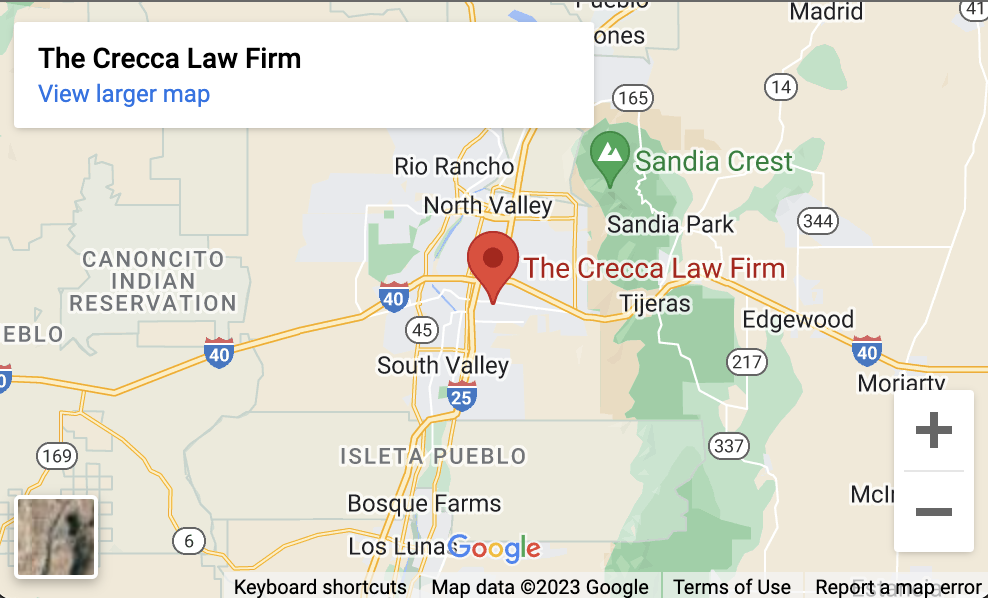
At The Crecca Law Firm, the focus is on direct attorney access, serious preparation, and taking on insurance companies that mistake an injured person’s need for help as weakness. A claim is not just a case file. It is your ability to get treatment, support your family, and move forward with dignity.
Do Not Let the Insurance Company Set the Terms
The days after a crash are confusing, and the insurer knows it. It may move fast because it wants control of the story before you understand the full impact of your injuries. You have the right to ask questions, seek medical care, and get legal advice before accepting its version of what your claim is worth.
If another driver’s choices caused the harm, you should not be forced to carry the financial burden alone. Preserve the evidence, protect your health, and speak with a trial-ready attorney before the insurance company decides your future is worth less than it is.