Who Pays When an Albuquerque Crash Involves a Borrowed Car?
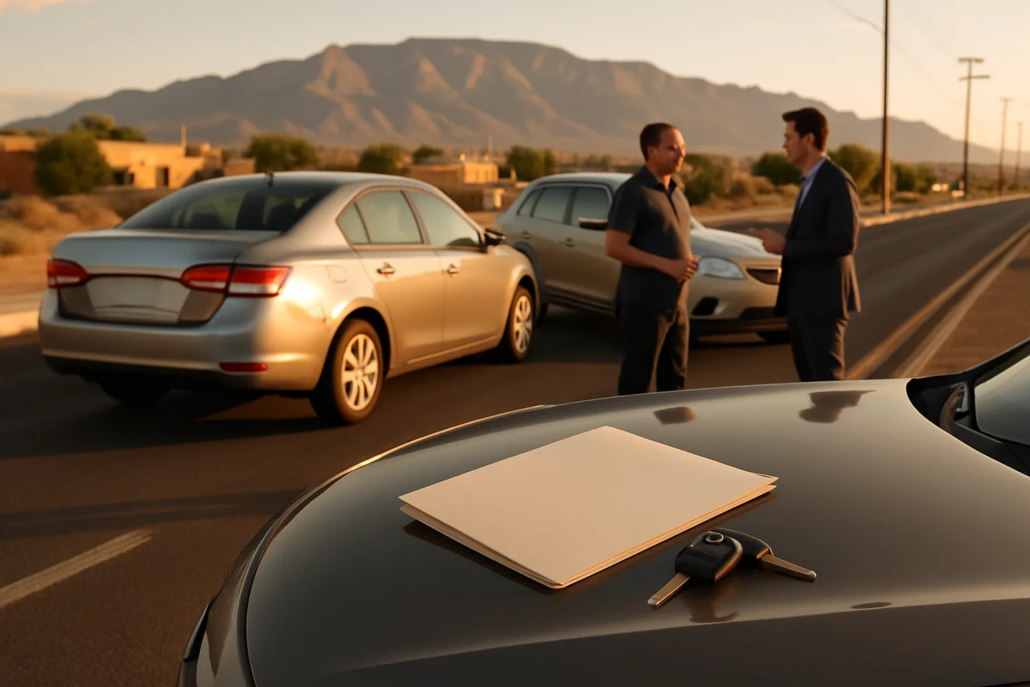
A crash can become more complicated when the person who caused it was driving a vehicle borrowed from a friend, relative, employer, or another owner. If you are injured in a car accident caused by a borrowed vehicle in Albuquerque, you may need to identify more than the at-fault driver before you can understand which insurance policies might respond. The driver, registered owner, policyholder, and employer may all be different people or entities.
The owner is not automatically liable simply because the vehicle is titled in that person’s name. At the same time, the owner’s insurance policy may still be important, particularly when the driver had permission to use the car. The Crecca Law Firm helps injured people examine these overlapping questions. This article explains how to identify the relevant parties, investigate insurance and permission, preserve evidence, and recognize when professional guidance may be useful. For a focused discussion of borrowed-car accident insurance issues in Albuquerque, review the firm’s related resource.
Who May Be Responsible After a Car Accident Caused by a Borrowed Vehicle in Albuquerque?
New Mexico injury claims generally focus on the facts surrounding the crash, including who was driving, whether that person acted negligently, and what harm resulted. Vehicle ownership is a separate issue. A registered owner may have no direct involvement in the collision, while the driver may have been using the car with permission or without it.
Identify each potentially relevant party
Early investigation may distinguish among:
- The person operating the vehicle at the time of impact.
- The registered owner shown on title or registration records.
- The person who purchased or maintains the auto insurance policy.
- A parent, household member, or other person who gave permission.
- An employer or business connected to the vehicle’s use.
A vehicle owner could face a separate question if the evidence suggests negligent entrustment, such as knowingly allowing an unsafe or unqualified driver to use the vehicle. That issue depends heavily on facts and available proof. It should not be assumed merely because the owner loaned out the car.
The driver’s conduct remains central. Statements from witnesses, photographs, traffic-camera footage, vehicle damage, and the crash report may help establish who was operating the car and how the collision occurred. If the report lists the wrong person or omits important information, readers may benefit from reviewing guidance on correcting errors in an Albuquerque crash police report.
How Do Insurance Policies Apply to a Borrowed Car Accident Claim?
Insurance coverage may involve the vehicle owner’s policy, the driver’s own policy, the injured person’s policy, or coverage connected to an employer. Policy language matters, and coverage can depend on permission, household relationships, regular use, exclusions, and the order in which policies apply. A claim should not be evaluated solely by asking who owned the vehicle.
Permission and policy language matter
In many situations, an owner’s liability policy may provide coverage when another person uses the vehicle with permission. However, the exact terms may limit or exclude coverage in some circumstances. Relevant questions can include:
- Did the owner authorize the specific use?
- Did the driver exceed any limits placed on that permission?
- Did the driver live in the owner’s household?
- Was the driver regularly using the vehicle?
- Did the policy contain an exclusion for a household member, excluded driver, commercial use, or another circumstance?
The driver may also have a separate auto policy. Depending on the policy and the facts, that coverage may be primary, secondary, excluded, or otherwise disputed. If there is no apparent liability coverage, an injured person may still need to investigate both the driver and vehicle before concluding that no insurance exists. The firm’s resource on handling an Albuquerque crash with an uninsured driver explains why an uninsured driver and an uninsured vehicle are not always the same question.
An injured person should also review the possibility of Albuquerque uninsured and underinsured motorist coverage options under an applicable household policy. Notice requirements and other policy conditions may apply, and insurance laws can vary by jurisdiction and policy wording. In Albuquerque, NM, a coverage review may be especially important when the at-fault driver has little information to provide or the owner’s insurer disputes permission.
What if the borrower was working?
A non-owner driver may have been making deliveries, traveling between job sites, transporting a customer, or performing another work task. That can create separate questions involving the employer, business vehicle ownership, company insurance, and whether the driver was acting within the scope of employment. Records such as dispatch data, time records, delivery logs, GPS information, and employer policies may be relevant. For more information, see the discussion of evidence in an Albuquerque crash involving a company vehicle.
What Evidence Helps Establish Driver, Owner, Permission, and Coverage?
Borrowed-vehicle claims can become difficult when the driver and owner provide different accounts or when insurers have incomplete information. A practical investigation usually starts by preserving records and organizing what is known, rather than guessing about facts that have not been verified.
Important materials may include:
- The crash report and any supplemental report.
- Vehicle registration, title, and insurance information.
- Photographs or video showing the vehicles, roadway, and damage.
- Witness names and contact details.
- Messages or emails showing who loaned the vehicle and for what purpose.
- Proof of the driver’s relationship to the owner or business.
- Medical records and expense documentation related to the injury.
- Employer records if the driver was working.
Insurance adjusters may ask who loaned the car, how often the driver used it, whether the driver lived with the owner, and what permission was given. These questions can affect coverage analysis, but a person should avoid speculating when the answer is unknown. The firm’s guidance on questions an Albuquerque crash adjuster may ask explains why accurate, carefully limited responses matter.
Common mistakes include assuming the registered owner must pay personally, accepting an insurer’s first coverage position without reviewing the policy, failing to identify a business connection, or delaying notice to an applicable insurer. Depending on the circumstances, an attorney may help obtain records, compare statements, investigate policy language, and evaluate whether more than one claim or coverage source should be considered. These issues can arise in Albuquerque, NM, Bernalillo County, and surrounding communities, while the governing legal analysis may depend on New Mexico law and the specific policies involved.
Frequently Asked Questions
Is the owner of a borrowed car automatically liable for an Albuquerque crash?
No. Ownership alone does not automatically establish personal liability for another person’s driving. The driver’s conduct, the owner’s involvement, permission, the vehicle’s condition, and any applicable legal theory must be examined separately. The owner’s insurance may still be relevant even if the owner is not personally responsible. Because the result depends on the facts and policy language, a licensed attorney can explain how New Mexico law may apply to a particular claim.
Can I pursue a claim if the driver had permission to use someone else’s car?
Possibly. Permission may be important because the vehicle owner’s policy could provide liability coverage for an authorized driver, subject to policy terms and exclusions. The driver’s own policy and the injured person’s uninsured or underinsured motorist coverage may also need review. Permission can be express or may be disputed based on the circumstances. Coverage should be confirmed through the applicable policies rather than assumed from an informal conversation.
What if the borrowed vehicle belonged to a business?
A business-owned or business-used vehicle creates additional questions about the driver’s employment, the purpose of the trip, company supervision, and commercial insurance. A delivery route, work schedule, dispatch record, or company vehicle policy may help establish the relevant facts. An employer is not automatically liable in every situation, and an employee is not automatically acting within the scope of work. A careful investigation may be needed before drawing conclusions.
What if neither the driver nor the owner provides insurance information?
An injured person may still have options to investigate. The crash report, vehicle records, insurer communications, and other evidence may help identify a policy. The injured person’s own household auto policy may include uninsured or underinsured motorist coverage, depending on its terms and the circumstances. Because notice deadlines and policy conditions can matter, readers may wish to discuss the available information with a licensed New Mexico attorney promptly.
How The Crecca Law Firm Can Help
The Crecca Law Firm is dedicated to helping injured people understand the separate roles of the driver, vehicle owner, policyholder, and any employer after a crash. The firm can evaluate available evidence, investigate permission and insurance issues, and consider whether coverage may exist under another policy without assuming that the owner is automatically liable.
When accounts conflict or an insurer resists providing information, Albuquerque auto accident lawyers who investigate coverage may help clarify the issues and explain potential next steps. The firm is committed to fighting for clients’ rights while providing information grounded in the facts of each matter. Contact The Crecca Law Firm for a free consultation or case evaluation.
The information in this article is for educational purposes only and does not constitute legal advice. Contact a qualified attorney licensed in Albuquerque, NM for advice specific to your situation.