
When to Call a Burn Injury Lawsuit Attorney
A burn injury lawsuit attorney can become critical the moment an insurance company starts treating a life-changing injury like a routine claim. Serious burns do not end when the fire is out, the chemical is washed away, or the electrical source is disconnected. They can mean surgeries, skin grafts, infection risks, permanent scarring, lost work, chronic pain, and a future that looks very different from the one you planned.
When another person, business, property owner, employer, or manufacturer caused the burn, you should not carry those costs alone. The responsible party and its insurer should be held accountable. But insurers are built to protect their own bottom line, not your recovery. They may question the severity of your injury, blame you for the incident, or push for a quick settlement before the full medical picture is clear.
When a Burn Injury Lawsuit Attorney Can Help
Not every burn requires a lawsuit. A minor burn that heals quickly may be resolved without a legal claim. But when a burn involves substantial medical care, time away from work, disfigurement, a dangerous product, or disputed fault, waiting can put your case at risk.
A burn injury lawsuit attorney investigates what happened before evidence disappears. That may mean obtaining surveillance video, examining the fire scene, preserving a defective appliance or battery, reviewing workplace records, or identifying the company responsible for maintaining an unsafe property. In many cases, the strongest evidence is gone within days or weeks unless someone moves quickly to protect it.
Legal help is especially valuable when the burn happened in a car or truck crash, at an apartment complex, in a workplace, at a restaurant, or because of a defective product. These cases often involve more than one responsible party. For example, a vehicle fire may point to a negligent driver, a vehicle manufacturer, a repair shop, or several of them. An attorney can identify every available source of compensation instead of accepting the first insurer’s narrow version of the case.
Burn Injuries Can Carry Lifelong Costs
Insurance adjusters often focus on the bills already in hand. That approach can badly undervalue a burn case. A fair claim must account for what the injury will cost over time, not merely what the emergency room charged.
Severe burns can require hospitalization, reconstructive procedures, physical therapy, occupational therapy, medications, counseling, and specialized scar treatment. Some people need help with daily activities while they recover. Others cannot return to the same job because of pain, limited movement, sensitivity to heat, or visible scarring that affects their confidence and quality of life.
Children face additional concerns. A scar that seems manageable today can require further treatment as a child grows. The emotional impact can also be profound, particularly when the injury causes changes in appearance or prevents a child from taking part in school, sports, and ordinary social activities.
The damages in a burn injury claim may include medical expenses, future treatment, lost income, reduced earning capacity, physical pain, emotional distress, scarring, disfigurement, and loss of enjoyment of life. If a loved one died from catastrophic burn injuries, surviving family members may have a wrongful death claim. The value of a case depends on the evidence, the extent of the harm, the available insurance coverage, and the conduct that caused the injury. No honest lawyer should promise a result before investigating the facts.
The Facts That Can Change Your Case
Burn cases are not all alike. The cause of the injury shapes the evidence, the defendants, and the legal strategy.
A fire in a rental home may raise questions about smoke detectors, electrical wiring, heating equipment, blocked exits, code violations, and prior complaints to the landlord. A chemical burn may involve improper labeling, missing protective equipment, or an employer that failed to train workers. An electrical burn can point to defective wiring, unsafe work conditions, or a negligently maintained property.
Product-related burns require a close look at the item itself. Defective space heaters, lithium-ion batteries, e-cigarettes, pressure cookers, vehicles, cookware, and household appliances can all cause devastating injuries. Do not throw away the product, its packaging, receipts, or instructions if you can safely preserve them. Do not let an insurer or manufacturer take possession of the item without legal guidance and documentation. The product may be the evidence that proves why the injury happened.
There are also burn injuries caused by crashes. A negligent driver who causes a collision may be responsible not only for broken bones and head trauma, but for burns from fuel, flames, airbags, hot fluids, or vehicle defects. These claims demand a serious investigation, particularly when multiple vehicles, commercial trucking companies, or defective parts may be involved.
What to Do After a Serious Burn
Your first priority is medical care. Follow your doctors’ instructions, attend appointments, and do not minimize your symptoms. Burn injuries can worsen, become infected, or reveal deeper damage after the initial incident.
Once immediate care is underway, protect the information tied to your claim. Take photographs of visible injuries as they heal, keep copies of medical bills and work-loss records, and write down what you remember about the event. If witnesses saw what happened, preserve their names and contact information. A written account made while the details are fresh can be valuable later.
Be careful with recorded statements and early settlement offers. An adjuster may sound sympathetic while asking questions designed to limit the company’s responsibility. You are not required to guess about your prognosis, accept blame, or sign away your rights just because an insurer wants a fast answer. The more serious the injury, the more dangerous it can be to settle before you understand the full consequences.
Social media deserves the same caution. A single photo of you smiling at a family event can be taken out of context by an insurer arguing that your injuries are not serious. You do not need to stop living your life, but you should assume that public posts may be used against you.
Why Trial Readiness Matters
Most injury claims resolve through settlement, but a settlement only has value when it reflects the harm done. Insurance companies pay closer attention when they know the lawyer on the other side is prepared to build the case, prove it, and take it before a jury if necessary.
That does not mean every case should be rushed into court. Litigation takes time, and some cases can be resolved efficiently when the evidence is strong and the insurer acts reasonably. But accepting a low offer just to close a file is not justice. A trial-ready approach gives injured people leverage when an insurer refuses to recognize the true cost of a burn injury.
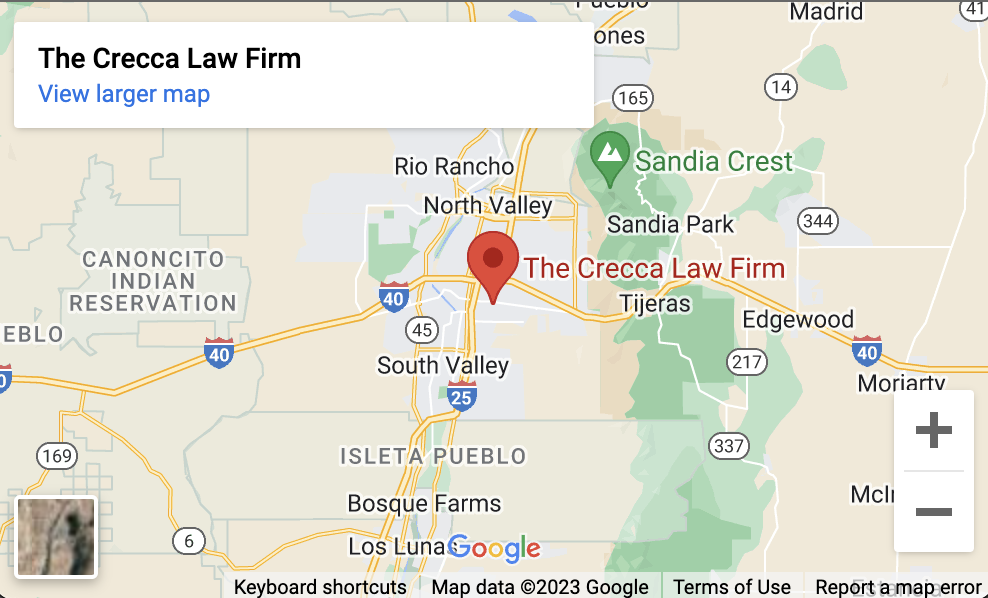
At The Crecca Law Firm, injured New Mexicans can speak with a real attorney about what happened, what evidence needs to be protected, and what options may be available. There are no upfront attorney fees in a contingency-fee injury case. The firm is paid only if it recovers compensation for you.
Do Not Let Delay Help the Other Side
New Mexico law sets deadlines for injury and wrongful death claims, and the right deadline can depend on who caused the injury and where it happened. Claims involving government entities, for example, can involve special notice requirements and much shorter time limits. Waiting also makes practical problems worse: witnesses move, video is erased, damaged products disappear, and memories fade.
A consultation does not commit you to filing a lawsuit. It gives you a chance to learn whether someone else may be responsible and whether the insurer is offering less than your claim deserves. Bring any photos, medical records, incident reports, insurance letters, and product information you have. If you do not have everything yet, do not let that stop you from asking questions.
After a serious burn, your energy belongs to healing and caring for your family. Let the people who caused the harm, and the insurers protecting them, answer for the financial burden they created.