Pedestrian Hit by Car Lawyer: When to Call
The first hours after a pedestrian crash are chaotic. You may be dealing with an ambulance ride, a shattered phone, missed work, and an insurance company already looking for a way to pay less. That is exactly when a pedestrian hit by car lawyer can make a real difference – before the story gets twisted and before critical evidence disappears.
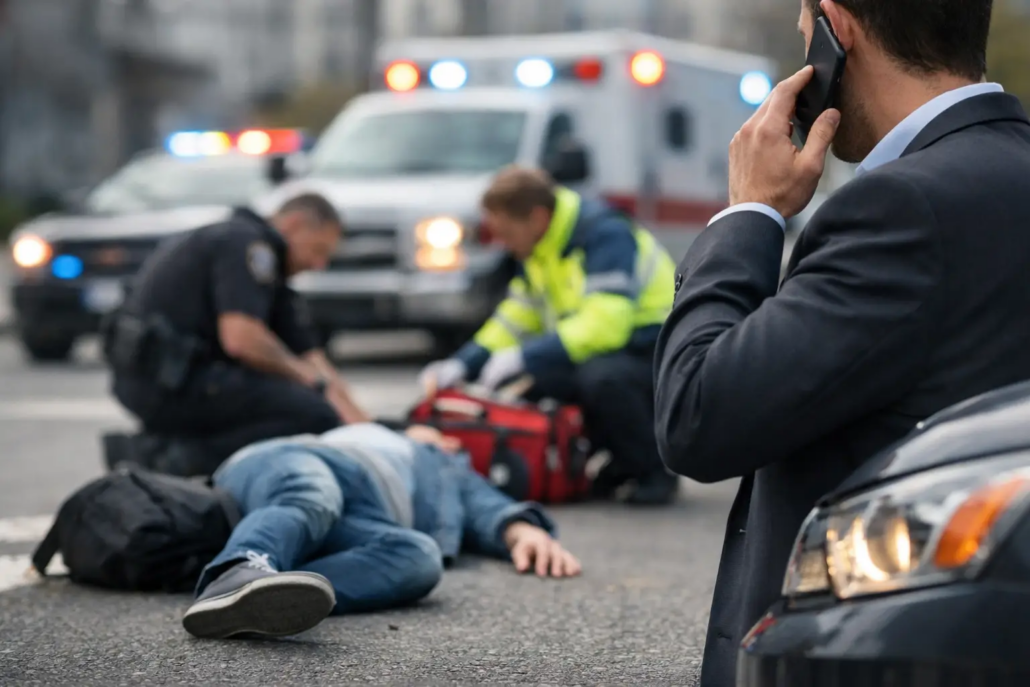
Pedestrian accidents are rarely minor. When a person on foot is struck by a vehicle, the human body takes the full force of impact. Broken bones, head trauma, spinal injuries, internal bleeding, and long-term pain are common. So are fear, confusion, and financial pressure. If this happened to you or someone you love, the legal issue is not just who caused the crash. The real question is how to force the insurance company to take the harm seriously.
Why a pedestrian hit by car lawyer matters early
Insurance adjusters move fast for a reason. They know pedestrian injury claims can carry significant value, especially when the injuries are severe, the recovery is long, or the victim cannot return to work. Their goal is often simple: get a recorded statement, create doubt, and settle the case before the full damage is clear.
That is a dangerous time to handle things alone.
A strong lawyer does more than file paperwork. The right attorney investigates the crash, preserves evidence, works with doctors, calculates future losses, and pushes back when the defense tries to blame the pedestrian. In serious cases, early legal action can determine whether surveillance footage is preserved, whether witnesses are found, and whether a crash reconstruction expert is needed.
It also changes the power dynamic. Insurance companies treat unrepresented claimants differently than they treat trial-ready counsel. They know the difference between someone asking for fairness and someone prepared to prove the case in court.
What makes pedestrian cases different from typical car wreck claims
A standard rear-end collision may involve property damage and soft tissue complaints. A pedestrian crash is often something else entirely. The injuries tend to be more violent, the medical treatment more extensive, and the long-term consequences more serious.
Liability can also be more contested than people expect. Even when the driver seems clearly at fault, the defense may argue the pedestrian crossed outside a marked crosswalk, entered the roadway suddenly, wore dark clothing, or failed to pay attention. Some of those arguments have legal significance. Some are just tactics designed to reduce what the insurer has to pay.
That is why these cases require a careful, aggressive approach. It is not enough to say you were hit. You have to build the evidence that shows how it happened, why the driver was at fault, and how profoundly the collision changed your life.
When to call a pedestrian hit by car lawyer
The short answer is as soon as possible.
If you were taken from the scene by ambulance, suffered a fracture, head injury, back injury, surgery, or ongoing disability, you should not wait to see how the insurance company behaves. By the time it becomes obvious they are not acting fairly, valuable evidence may already be gone.
You should also call a lawyer quickly if the driver denies fault, the police report is incomplete, a loved one was killed, or there is any suggestion that you may share blame. New Mexico injury cases can involve comparative fault, which means the defense will often try to shift part of the responsibility onto the injured person. That does not automatically defeat a claim, but it can affect value. The earlier your side starts building the case, the better.
Even a low-speed impact can justify legal help if the injuries are more serious than they first appeared. Some pedestrians feel shock and adrenaline at the scene, then develop significant pain, neurological symptoms, or mobility problems in the days that follow.
The evidence that can make or break the case
Pedestrian claims are won on proof, not outrage. The facts matter, and the details matter even more.
The strongest cases often include scene photographs, vehicle damage, body camera footage, 911 records, witness statements, surveillance video, traffic light sequencing, phone records, and complete medical documentation. In some cases, black box data or expert analysis becomes important. If the driver was distracted, speeding, drunk, or failed to yield, those facts should be pinned down early.
Medical evidence is just as important as crash evidence. It is not enough to show that you were hurt. You need to show how badly you were hurt, what treatment was required, what future care may be needed, and how the injury affects work, daily activity, and quality of life.
This is where many valid claims lose value. People assume the ER visit tells the whole story. It does not. A serious injury case is often built through ongoing treatment records, specialist opinions, imaging, wage documentation, and a clear picture of how life changed after the crash.
What compensation may be available
Every case depends on the facts, the injuries, the available insurance, and whether fault is disputed. Still, most pedestrian injury claims involve several categories of damages.
Medical bills are the obvious starting point, but they are only part of the picture. A claim may also include future medical care, lost wages, reduced earning capacity, pain and suffering, physical impairment, emotional distress, and other losses tied directly to the crash. In fatal cases, surviving family members may have a wrongful death claim.
This is one reason quick settlement offers can be so risky. An insurer may offer money before the full extent of the harm is known. That can feel tempting when bills are piling up, but once a claim is settled, the injured person usually cannot go back and ask for more if the recovery takes longer or complications develop.
The insurance company is not your ally
After a pedestrian collision, the insurer may sound polite, concerned, and reasonable. That does not mean it is working for you.
Insurance companies protect their bottom line. If they can argue the pedestrian was distracted, crossed at the wrong place, or caused confusion in traffic, they will. If they can claim treatment was excessive or unrelated, they will do that too. If they believe your lawyer is willing to accept less rather than fight, they will use that leverage.
That is why experience matters. A serious injury lawyer should know how to value a pedestrian case, spot defense tactics early, and prepare the case as if trial is a real possibility. Many claims settle, but strong settlements often come from credible trial pressure, not polite requests.
The Crecca Law Firm approaches injury cases with that mindset. Injured people need compassion and clear answers. Defendants and insurance carriers need to know the case will be pursued hard.
What to do right now if you were hit
Get medical care and follow through with treatment. Gaps in care can hurt both your health and your claim.
Save everything you can. Photographs, discharge papers, bills, prescriptions, names of witnesses, rideshare receipts, and messages from insurers can all matter later. If you have visible injuries, document them as they heal.
Do not give a recorded statement to the driver’s insurance company without legal advice. Do not assume the police report is complete. And do not let an adjuster convince you that your case is straightforward if you are still in pain, still missing work, or still searching for answers.
Choosing the right lawyer after a pedestrian crash
Not every personal injury attorney handles high-stakes pedestrian cases the same way. Some firms settle fast because that is their business model. Some rarely see the inside of a courtroom. Some hand clients off so thoroughly that the person hiring the firm never really speaks with the lawyer handling the claim.
You should look for direct attorney access, clear communication, contingency-fee representation, and a proven willingness to litigate when the defense refuses to be reasonable. You want someone who can be compassionate with you and hard on the other side. Both matter.
The right lawyer should also be honest. Some cases are strong on liability but limited by available insurance. Some have major damages but difficult fault issues. Good counsel should explain the trade-offs without sugarcoating them, then build the strongest claim the facts allow.
If a driver hit you while you were walking, you are not overreacting by getting legal help. You are protecting your future at a moment when the other side is already protecting its money. The right move is not to wait for the insurance company to do the right thing. It is to put someone in your corner who knows how to make them.