
When to Hire an Insurance Bad Faith Attorney
A claim should not turn into a second injury. But that is exactly what happens when an insurance company delays payment, twists the facts, or refuses to honor the policy you paid for. If you are dealing with that kind of conduct, an insurance bad faith attorney may be the difference between getting pushed around and getting paid what you are owed.
Most people assume insurance companies will step up once a covered loss happens. Then the excuses start. The adjuster stops returning calls. The company asks for the same documents over and over. A valid claim gets denied for reasons that do not make sense. Meanwhile, the bills keep coming, your stress keeps building, and the insurer acts like time is on its side.
What an insurance bad faith attorney actually does
An insurance bad faith attorney does more than argue about a denied claim. The job is to investigate whether the insurer violated its legal duty to treat you fairly, honestly, and in good faith. That means looking past the letter you received and examining how the company handled the claim from start to finish.
Sometimes the problem is obvious. The insurer denies a claim without a reasonable basis or ignores clear evidence supporting coverage. Other times, the misconduct is more calculated. The company may approve part of the claim but undervalue it, drag out the investigation, or pressure you into taking less because it knows you are financially vulnerable.
A strong attorney builds pressure where it matters. That can include demanding the claim file, identifying unreasonable delays, exposing shifting explanations, and showing that the insurer put its own profits ahead of its obligations. If the company still refuses to do the right thing, the case may move into litigation. That is where trial readiness matters. Insurance companies take claims more seriously when they know the lawyer on the other side is prepared to prove bad faith in court.
Bad faith is more than a simple disagreement
Not every denied claim is bad faith. Insurance companies are allowed to investigate claims and challenge losses that are genuinely questionable. The issue is whether they acted reasonably while doing it.
That distinction matters. A normal coverage dispute may involve policy language that can fairly be debated. Bad faith usually involves something more troubling – a denial without proper investigation, misrepresentation of policy terms, unreasonable delay, refusal to settle when liability is clear, or tactics designed to wear the policyholder down.
For injured people and families, that line can be hard to spot from the outside. Insurers know the process. They know the language. They know most people have never read a claim manual or seen what fair handling is supposed to look like. That imbalance is exactly why legal help matters.
Signs the insurance company may be acting in bad faith
You do not need a smoking gun before talking to a lawyer. In many cases, the early warning signs are enough to justify a closer look.
A claim deserves attention when the insurer keeps changing the reason for delay, denies coverage without clearly explaining why, or demands excessive paperwork that has little to do with the loss. The same is true when the company ignores medical records, repair estimates, witness statements, or other evidence that supports your claim.
Another red flag is silence. If the insurer goes dark for weeks, fails to respond to basic communications, or forces you to chase every update, that may not be incompetence. It may be strategy. Delay saves insurers money when claimants are under pressure and need funds now.
Lowball offers can also point to bad faith, especially when the amount bears no reasonable relationship to the evidence. A company does not get to wave a small check in front of you and call the job done if the value of the claim says otherwise.
Why these cases are so hard to handle alone
Insurance companies count on exhaustion. They know you may be recovering from serious injuries, managing medical treatment, grieving a death, or trying to keep your household afloat after a major loss. They also know that many people will accept less than they deserve just to end the fight.
Handling a bad faith claim on your own is difficult because the insurer controls much of the paper trail at first. It has the adjuster notes, internal communications, claim procedures, and decision-making history. Without legal pressure, that information stays buried.
There is also the problem of timing. Say the wrong thing in a recorded statement, miss a deadline, or accept a partial payment without understanding its effect, and the insurer may try to use that against you later. What looks like a simple back-and-forth can become a carefully managed effort to limit what the company has to pay.
An experienced lawyer changes that dynamic. Instead of you reacting to every move, the insurer has to answer for its own conduct.
When to call an insurance bad faith attorney
The best time to call is usually earlier than people think. You do not need to wait until the insurer has completely shut the door.
If your claim has been denied and the explanation seems weak, call. If the company is delaying for no clear reason, call. If you are being pressured to settle fast, sign broad releases, or accept a number that clearly does not cover the damage, call. If your own insurer is treating you like the enemy after years of premium payments, definitely call.
Early legal involvement can prevent mistakes and preserve leverage. It can also help separate a hard-fought claim from a truly abusive one. That matters because the legal strategy may differ depending on whether the issue is coverage, valuation, or outright bad faith handling.
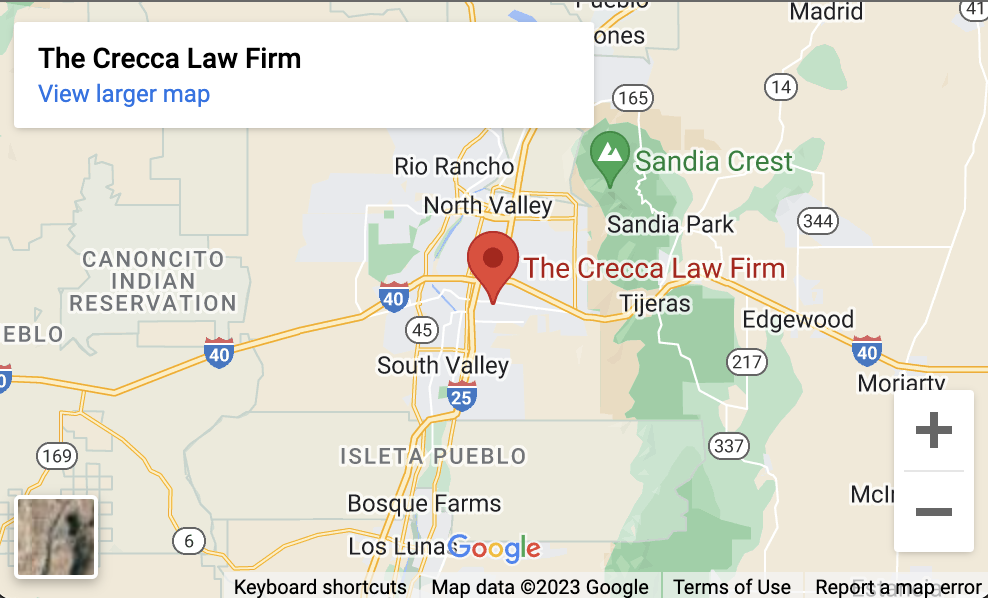
For people in New Mexico dealing with serious injury claims, uninsured motorist disputes, or wrongful denials, getting answers early can protect both the claim and your peace of mind. Firms like The Crecca Law Firm approach these cases from the plaintiff side, with the understanding that insurers do not respect hesitation. They respond to pressure.
What compensation may be available
A bad faith case is not always limited to the amount the insurer should have paid in the first place. Depending on the facts and the law, damages may include the underlying policy benefits, financial losses caused by the delay or denial, emotional distress in some situations, attorney fees, and possibly punitive damages when the insurer’s conduct was especially harmful.
That does not mean every case leads to a massive recovery. It depends on the policy, the conduct, the proof, and the damage caused by the insurer’s actions. But when bad faith is real, the law can provide consequences beyond a simple correction of the original claim amount.
That is one reason insurers fight these cases so hard. They know bad faith exposure creates risk. They also know a prepared plaintiff’s lawyer can turn internal misconduct into a serious liability issue.
What to do if you think your insurer crossed the line
Start by keeping everything. Save letters, emails, text messages, claim numbers, names of adjusters, denial notices, estimates, medical records, and notes about phone calls. If a conversation happens by phone, write down the date, time, who you spoke with, and what was said as soon as the call ends.
Do not assume the company is acting reasonably just because it uses polished language. Insurance letters are often written to sound final, confident, and technical. That does not make them correct.
At the same time, do not stop paying attention to your own obligations under the policy. Continue cooperating to the extent required, but do it carefully. There is a difference between providing legitimate information and allowing the insurer to run you in circles.
Most of all, do not let delay become normal. The longer bad conduct continues without challenge, the more pressure builds on you and the more advantage the insurer gains.
The right lawyer should be ready for a fight
Insurance companies are not impressed by empty threats. They respond when they believe the lawyer on the other side can prove the case, try the case, and make the cost of misconduct higher than the cost of paying fairly.
That is why choosing counsel matters. You want someone who understands injury claims, policy disputes, and how insurers defend themselves when accused of bad faith. You also want a lawyer who treats communication seriously, because clients in these cases are already under enough stress without being ignored by their own side.
A bad faith claim is about more than money. It is about accountability. When an insurer breaks its promise at the exact moment you need help most, that is not just a paperwork problem. It is a power play. The right legal response is to push back hard, with evidence, strategy, and the willingness to take the fight as far as necessary.
If your insurance company is stalling, underpaying, or flat-out denying a valid claim, trust your instincts. You paid for protection, not excuses, and you do not have to accept being bullied out of what you are owed.