

What Does a Trial Lawyer Do?
When the insurance company keeps stalling, downplaying your injuries, or acting like your case is worth pennies, one question starts to matter fast: what does a trial lawyer do? The short answer is this – a trial lawyer builds pressure. A good one investigates the facts, proves who caused the harm, documents the full damage, and gets ready to put the case in front of a jury if the other side refuses to be fair.
That trial-ready posture changes everything. Insurance companies do not treat every lawyer the same. They know which attorneys push paper, and they know which ones are prepared to walk into court, present evidence, and ask a jury for real money. If your injuries are serious, that difference can affect the outcome of your case in a very real way.
What does a trial lawyer do in a personal injury case?
A trial lawyer represents people in disputes that may end up in court. In a personal injury case, that usually means standing up for someone hurt by another person, company, or insurer’s negligence. The job is not just arguing in front of a jury. In fact, much of the work happens long before trial.
A trial lawyer starts by learning the story from the client’s point of view. What happened, when did it happen, who was involved, what injuries followed, and how has life changed since then? Those details matter because personal injury claims are not only about a crash report or a medical bill. They are about pain, lost work, future treatment, permanent limitations, and the ways an injury reaches into every part of daily life.
From there, the lawyer gathers evidence. That can include photos, video, witness statements, medical records, employment records, police reports, black box data, cell phone records, and expert analysis. In a truck wreck, for example, the evidence may point to a tired driver, poor maintenance, a careless company, or all three. In a nursing home negligence case, the truth may be buried in staffing logs, chart notes, and internal records the facility does not want to hand over.
Then comes the legal strategy. A trial lawyer identifies the strongest claims, the responsible parties, the likely defenses, and the damages that need to be proven. That strategy shapes every next step, from settlement demands to depositions to courtroom presentation.
A trial lawyer is not just a courtroom speaker
People often picture a trial lawyer giving a dramatic closing argument. That is part of the job, but it is not the whole job. A strong trial lawyer is also an investigator, strategist, negotiator, and storyteller backed by facts.
The investigator side matters because bad cases are often defended with half-truths. The insurance company may say your treatment was excessive, your injuries were preexisting, or their insured was not fully at fault. Those arguments do not disappear on their own. They have to be answered with evidence.
The strategist side matters because timing and pressure matter. Sometimes early settlement discussions make sense. Sometimes they do not. If the defense is pretending not to understand the value of the case, filing suit and moving aggressively through litigation may be the only language they respect.
The storyteller side matters because juries do not award damages based on spreadsheets alone. A trial lawyer has to explain what happened in a clear, persuasive way that connects the facts to the human loss. That means showing not only that the defendant was wrong, but that the harm is real, serious, and deserving of accountability.
How trial lawyers deal with insurance companies
This is where many injury victims feel the most frustration. Insurance adjusters may sound polite, but their job is to protect the company’s money. They look for reasons to deny, delay, or discount claims. A trial lawyer pushes back.
That starts with controlling communication. Once a lawyer steps in, the insurer usually has to stop pressuring the injured person directly. That alone can bring relief. More importantly, the lawyer frames the claim around evidence and legal exposure, not the insurer’s preferred version of events.
A trial lawyer prepares a demand package that shows liability, damages, and risk. If the insurer still refuses to be reasonable, the lawyer can file suit, conduct discovery, depose witnesses, challenge weak defenses, and force the other side to commit to its story under oath. That process often exposes holes the insurer hoped would never see daylight.
Not every case should go to trial. That is the truth. Trials take time, cost money, and carry risk. But the willingness to try the right case is often what drives meaningful settlement value. Defendants pay more attention when they know the lawyer on the other side is not bluffing.
What happens if the case actually goes to trial?
If settlement does not happen, the trial lawyer presents the case to a judge or jury. That means selecting the jury, questioning witnesses, introducing exhibits, cross-examining defense experts, and arguing for compensation.
At trial, details matter. Jurors want to know who caused the harm, what the evidence really shows, and whether the injured person is being truthful. The defense may try to blame the victim, minimize the medical condition, or suggest the losses are exaggerated. A trial lawyer’s job is to dismantle those arguments piece by piece.
That can involve using treating doctors to explain an injury, economists to explain lost earning capacity, accident reconstruction experts to explain fault, or family testimony to show how life changed after the incident. Good trial work is disciplined. It is not about theatrics for their own sake. It is about clarity, credibility, and pressure.
When hiring a trial lawyer matters most
Some cases need trial-level representation more than others. If you suffered a catastrophic injury, lost a family member, were hit by a commercial vehicle, or are dealing with a bad faith insurance fight, the stakes are too high for a lawyer who only settles easy claims.
The same is true when fault is disputed or damages are substantial. The more money at risk, the harder the defense usually fights. Serious brain injuries, spinal injuries, burn injuries, and permanent disability claims often require deep evidence, expert support, and a lawyer who can handle a courtroom battle if necessary.
It also matters when there are multiple defendants or complicated facts. A chain-reaction crash, a dangerous property case, or a nursing home negligence claim may involve overlapping blame and aggressive defense tactics. In those cases, trial skills are not a luxury. They are part of how the truth gets uncovered.
What to look for in a trial lawyer
If you are asking what does a trial lawyer do, you may also be asking whether the lawyer you hire can really fight for you. That is the right question.
Look for a lawyer who has actual courtroom experience, not just settlement experience. Ask whether they prepare cases for trial from day one. Ask who will handle your case, whether you will have direct attorney access, and how they deal with lowball offers. You want someone who welcomes pressure, not someone who folds when the defense gets aggressive.
You also want honesty. A real trial lawyer should not promise fantasy results or pretend every case is worth millions. Case value depends on the injury, the evidence, the available insurance, the venue, and the credibility of the witnesses. What a strong lawyer can promise is effort, preparation, and the willingness to fight for full value.
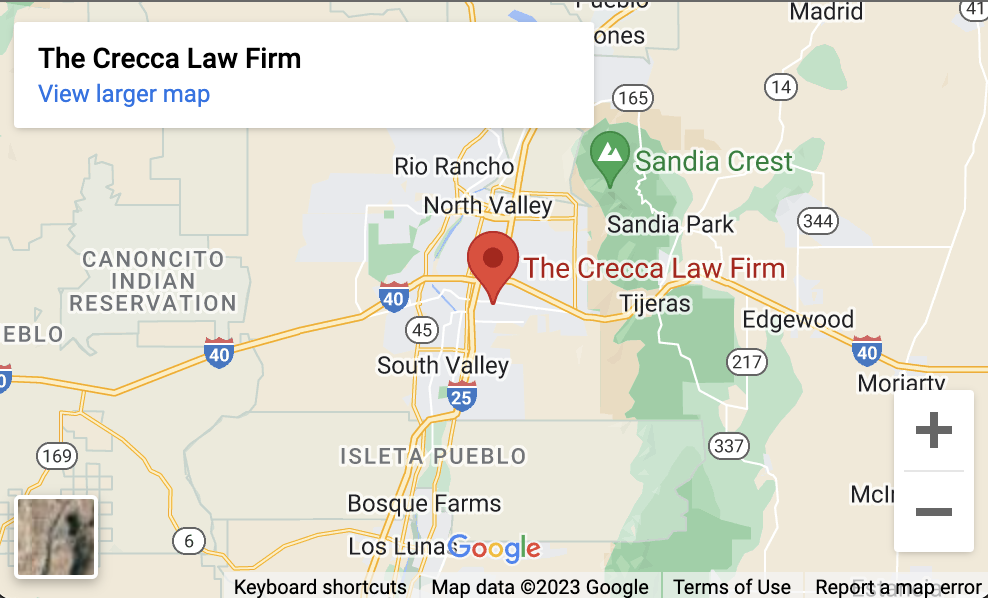
That combination matters. At The Crecca Law Firm, that trial-first mindset is part of how serious injury cases are built – not to look busy, but to put real pressure on the people and companies trying to avoid accountability.
The real job is forcing accountability
So what does a trial lawyer do? At the highest level, a trial lawyer forces accountability when the other side refuses to do the right thing voluntarily.
That means protecting injured people from insurance company games. It means building a case strong enough to survive attack. It means being ready to negotiate hard when settlement is possible and ready to go to court when it is not. And it means understanding that for a client, this is never just a file. It is medical treatment, lost income, stress at home, and fear about the future.
If you are dealing with a serious injury case, the right lawyer is not there to make things sound nice. The right lawyer is there to make sure your voice is heard, your losses are proven, and the defendant feels the full weight of what they caused. That is where real leverage starts, and it is often where justice begins.



Leave a Reply
Want to join the discussion?Feel free to contribute!