
A Guide to Serious Injury Claims
A wreck changes the math of your life fast. One moment you are driving to work, crossing a street, or checking on a parent in a care facility. The next, you are facing surgeries, missed paychecks, pain that will not let up, and an insurance company already looking for a discount. This guide to serious injury claims is built for that moment – when the stakes are high and the usual advice is not enough.
Serious injury cases are not routine fender-bender claims. They involve bigger losses, harder fights, and often permanent consequences. That means the insurance company has more money at risk, which usually means it will work harder to minimize what happened, shift blame, or pressure you into settling before the full damage is known.
What makes a serious injury claim different
A serious injury claim usually involves major physical harm and major disruption. That can include traumatic brain injuries, spinal cord damage, severe burns, multiple fractures, internal injuries, amputations, permanent scarring, or any injury that changes a person’s ability to work, live independently, or enjoy life the way they did before.
The legal issue is not just whether someone got hurt. It is how badly, for how long, and at what cost. A serious injury claim often turns on future medical care, long-term wage loss, reduced earning capacity, ongoing pain, and the effect the injury has on a marriage or family. Those damages are real, but they take work to prove.
That is where many people get blindsided. They assume the insurance company will look at the records, add up the bills, and make a fair offer. In reality, insurers often treat severe claims like major financial threats. They scrutinize every record, every gap in treatment, every social media post, and every statement made to an adjuster.
A guide to serious injury claims starts with the right first moves
The early days matter more than most people realize. Medical treatment comes first, of course. Your health is not a legal strategy. But from a claim standpoint, those first decisions shape the evidence.
Get evaluated thoroughly and follow through with treatment. If you are referred to a specialist, go. If symptoms change, report them. If pain gets worse at night, if headaches start after a crash, if numbness appears days later, say so. Serious injuries do not always announce themselves cleanly at the scene.
You should also be careful about what you say to the other side. The other driver’s insurer, a trucking company representative, or a facility administrator may sound polite and concerned. That does not mean they are neutral. Their job is often to gather statements that can later be used to cut the value of your claim.
Documentation matters too. Keep records of bills, prescriptions, mileage to appointments, work you missed, and the practical ways the injury affects daily life. If you cannot lift your child, sleep through the night, drive safely, or return to the job you trained for, that matters. Serious injury claims are built on proof, not assumptions.
Liability is only half the fight
People often think the whole case is about showing who caused the accident. That is part of it, but only part. In a serious injury claim, you usually have two major battles: proving fault and proving damages.
Fault can be straightforward in some cases, such as a drunk driver crossing the center line. In other cases, it gets more complicated. A trucking collision may involve the driver, the company, maintenance contractors, and cargo issues. A nursing home case may involve understaffing, poor supervision, charting failures, and corporate decisions far above the bedside level. A burn injury may raise product defect questions. A brain injury case may turn on medical imaging, symptom progression, and expert analysis.
Then there are damages. Insurance companies frequently admit something happened but argue the harm is exaggerated, preexisting, or unrelated. They may say your back problems existed before the crash, your headaches are stress-related, or your inability to return to work is temporary when your doctors say otherwise. That is why serious claims often require a deeper build-out of medical evidence, vocational evidence, and sometimes testimony from life-care planners or economists.
What affects the value of a serious injury claim
There is no honest calculator for this. Anyone who promises a number too early is guessing or selling. The value of a serious injury claim depends on a mix of legal, medical, and practical factors.
The severity and permanence of the injury matter. So does the kind of treatment required, whether surgery was needed, and whether future care is likely. Lost wages matter, but reduced future earning power can matter even more if the injury changes the work a person can do for the rest of their life.
Pain and suffering are also significant, especially when the injury causes chronic pain, disfigurement, disability, depression, anxiety, or loss of independence. But these damages do not prove themselves. They have to be shown through medical records, testimony, and a clear picture of life before and after the injury.
Insurance coverage also affects the real-world path of a case. A devastating injury with limited available coverage presents different problems than a case involving a commercial policy or multiple liable parties. That does not mean a case with lower coverage is hopeless, but it does mean strategy matters. Sometimes there are additional policies, umbrella coverage, uninsured or underinsured motorist claims, or third-party defendants that need to be identified early.
How insurance companies try to cheapen serious claims
Insurance companies do not usually win these cases by openly denying obvious suffering. They win by shaving value off around the edges until the number no longer reflects the truth.
They may push for a fast recorded statement before you understand the injury. They may monitor your social media and take harmless photos out of context. They may hire doctors who consistently favor defense positions. They may argue you failed to mitigate damages because you missed appointments, even when transportation, pain, or scheduling made treatment difficult.
In catastrophic cases, delay itself can become a tactic. The insurer knows bills are mounting. It knows mortgage payments and household stress create pressure. That pressure is part of the battlefield. A trial-ready lawyer changes that equation because the defense has to price in real risk, not just assume the injured person will fold.
Why waiting can hurt your case
People delay for understandable reasons. They hope they will improve. They do not want conflict. They think they can handle the claim themselves. Sometimes they trust the insurer because the adjuster sounds reasonable.
But serious injury cases can weaken quickly if key evidence is not preserved. Crash data can disappear. Surveillance footage can be overwritten. Witnesses move or forget details. Corporate defendants begin building their defense immediately, often before the injured person has even left the hospital.
Waiting can also affect medical proof. Gaps in treatment create openings the defense will exploit. That does not mean every gap destroys a case. Real life happens. People miss appointments because of finances, family demands, or pain. But those issues should be explained and addressed, not left for the defense to weaponize.
Choosing a lawyer for a serious injury claim
Not every personal injury case requires the same level of firepower. A serious injury claim does. You need a lawyer who is prepared to build the case for trial from the start, not one who is looking for a quick settlement before the real damage is clear.
Ask direct questions. Will you have access to the attorney handling your case? Has the firm taken serious injury cases to trial? How do they deal with future damages and expert witnesses? Are they prepared to push back when the insurance company tries to frame your injuries as minor, unrelated, or overstated?
This is not just about credentials. It is about posture. Defendants and insurers pay attention to whether the lawyer on the other side is known for backing down or known for pressing the case all the way. That reputation can affect leverage long before a jury is ever seated.
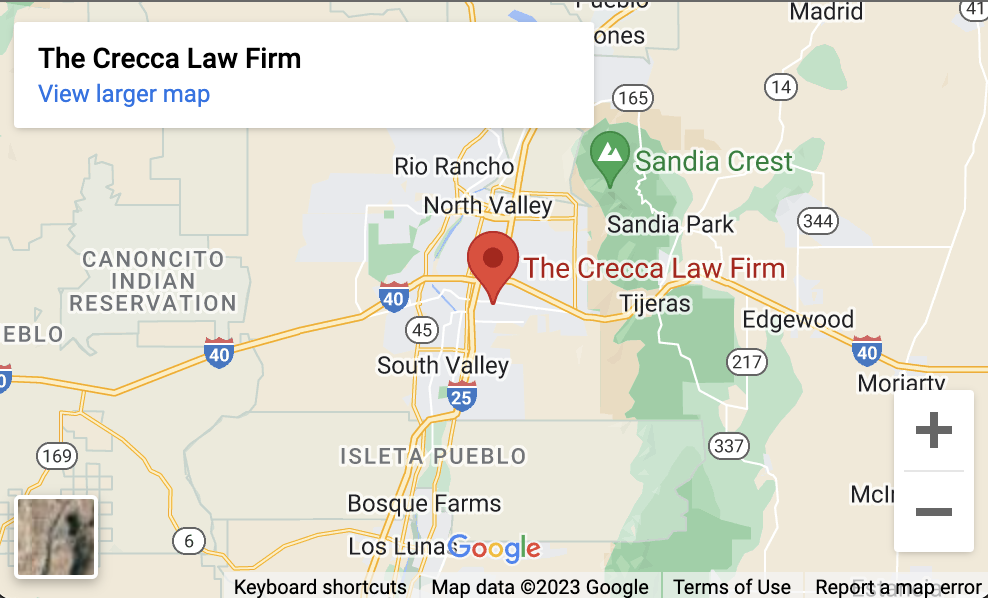
For injured people in New Mexico, that difference can be enormous. Firms like The Crecca Law Firm build cases with pressure in mind – pressure on insurers, pressure on corporate defendants, and pressure on anyone trying to avoid accountability while a family carries the cost.
The real goal of this guide to serious injury claims
The goal is not to turn you into your own lawyer. It is to help you see the field clearly. A serious injury claim is about more than reimbursement for bills that already arrived. It is about protecting your future when someone else’s negligence changed it.
That may mean fighting for surgery costs, rehab, lost income, home modifications, long-term care, or compensation for a life that no longer feels the same. It may also mean saying no to early pressure and refusing to let an insurance company define your losses on its terms.
If you are dealing with a major injury, trust what your situation is telling you. This is not a small claim, and it should not be treated like one. The right legal help does more than file paperwork. It puts strength behind your story when the other side is betting you are too overwhelmed to fight back.
When the injury is serious, the next step matters. Make it a strong one.


Leave a Reply
Want to join the discussion?Feel free to contribute!