

When to Hire a Personal Injury Lawyer
The insurance adjuster sounds friendly on day one. By day ten, they want a recorded statement, your medical records, and a fast settlement before you even know how badly you are hurt. That is usually when people start asking the right question: when to hire a personal injury lawyer.
The short answer is this: if your injuries are serious, fault is disputed, the insurance company is pushing hard, or your life has been thrown off course, do not wait. The longer you try to handle a significant injury claim alone, the more room the other side has to protect itself at your expense.
Some cases really are small enough to resolve without hiring counsel. But many are not. And the problem is that injured people often do not know which kind of case they have until it is too late.
When to hire a personal injury lawyer after an accident
If you were treated in the ER, need follow-up care, missed work, or are still in pain days later, that is a strong sign you should speak with a lawyer right away. Serious claims get complicated fast. Medical bills pile up. Evidence disappears. Witnesses stop answering their phones. Meanwhile, the insurance company has already started building its defense.
This is especially true in cases involving car crashes, truck wrecks, motorcycle collisions, pedestrian injuries, bicycle accidents, drunk driving, wrongful death, dog bites, nursing home neglect, and head or burn injuries. These are not paperwork problems. They are life problems. A lawyer’s job is not just to file forms. It is to protect the value of the case before the insurer can chip away at it.
Timing matters because early mistakes can be expensive. A casual comment to an adjuster can be twisted into an admission. A gap in treatment can be used to argue you were not really hurt. Photos, surveillance footage, black box data, and incident reports can vanish if no one moves quickly to preserve them.
Signs you should not handle the claim alone
A lot of people wait too long because they think hiring a lawyer makes the case hostile. The truth is, the case is already hostile if the other side is looking for a way to pay less. You do not create conflict by hiring counsel. You protect yourself from being outmatched.
One major sign is any injury that goes beyond a minor bump or bruise. If you have broken bones, surgery, a concussion, back or neck injuries, nerve damage, scarring, or ongoing pain, the stakes are too high to guess your way through the process. The same goes for injuries that may worsen over time. What looks manageable in the first week can become months of treatment, missed wages, and lasting limitations.
Another clear sign is disputed fault. If the other driver says you caused the crash, if a business denies responsibility for a fall, or if an insurer starts talking about your comparative negligence, you need someone ready to fight over liability. Insurance companies love gray areas because gray areas create discounts. A strong lawyer works to turn those gray areas into facts.
You should also be concerned if the adjuster is moving unusually fast. Quick settlement offers are rarely about fairness. They are about closing the file before the full damage is known. Once you sign, you usually do not get a second chance. That matters even more if your future treatment, lost earnings, or long-term impairment are still uncertain.
Cases where hiring a lawyer early is almost always smart
Some injury claims are too serious to leave to chance. Wrongful death cases are one example. Families are grieving, overwhelmed, and often in no position to battle insurers or corporate defendants. But those cases demand immediate attention because evidence, legal deadlines, and damages issues can become complicated quickly.
Commercial truck accidents are another. Trucking companies and their insurers often respond aggressively from the start. They may have investigators and defense lawyers involved within hours. If the other side is mobilizing that fast, you should not be trying to negotiate alone from your kitchen table.
Brain injuries, spinal injuries, severe burns, and permanent disabilities also fall in this category. These claims can involve future care, vocational losses, pain and suffering, and major expert issues. The numbers are bigger, which means the defense fights harder.
The same logic applies when a nursing home, corporation, or insurance company is involved. Institutional defendants know how to delay, deny, and deflect. They count on the injured person getting tired, confused, or desperate enough to take less than the claim is worth.
When to hire a personal injury lawyer for an insurance dispute
Sometimes the injury itself is obvious, but the real fight is with the insurance company. That is another point when to hire a personal injury lawyer becomes urgent.
If the insurer is denying coverage, claiming your treatment is excessive, refusing to return calls, delaying payment, or blaming a preexisting condition for everything, you are not dealing with a simple claim anymore. You are dealing with a strategy. Insurance companies do not make money by paying full value quickly. They make money by minimizing payouts and pressuring injured people into bad decisions.
Uninsured and underinsured motorist claims can be especially frustrating because you may be dealing with your own carrier while it treats you like the enemy. Bad faith issues can also arise when an insurer refuses to act reasonably. In those situations, a lawyer changes the balance of power. The company knows it may have to explain its conduct in court instead of behind a claims desk.
Waiting can hurt your case
There is a common belief that you should wait until treatment is finished before talking to a lawyer. Sometimes people hear that from friends. Sometimes from the adjuster. It is bad advice in many serious cases.
You do not need to have every answer before getting legal help. In fact, a good lawyer often helps clients avoid damaging delays, document treatment properly, and make sure the claim develops the right way from the beginning. Waiting too long can mean lost evidence, missed deadlines, avoidable statement problems, and settlement pressure at the worst possible moment.
That does not mean every case must become a lawsuit immediately. It means early legal guidance gives you options. It lets you make decisions from a position of strength instead of fear.
What a lawyer actually does for you
People sometimes think a personal injury lawyer just negotiates a number. In a serious case, the work is much broader than that. A strong lawyer investigates liability, gathers records, preserves evidence, works with experts when needed, calculates the real value of losses, handles insurer communications, and prepares the case as if trial may be necessary.
That last part matters. Insurance companies pay attention when they believe the lawyer on the other side is willing and able to take the fight into the courtroom. Trial readiness is not marketing fluff. It is leverage.
It also matters on a human level. After a major injury, you should be focused on getting medical care and holding your life together. You should not be stuck arguing with an adjuster about whether your pain is real or whether your missed work counts. The right lawyer takes that pressure off your shoulders and puts it where it belongs – on the party that caused the harm and the insurer trying to cheap out.
The right time is usually sooner than people think
If you are asking yourself whether the case is serious enough, that question alone is often a sign that you should at least get a consultation. Most reputable personal injury firms offer them for free, and contingency fees mean you do not pay upfront to get experienced help.
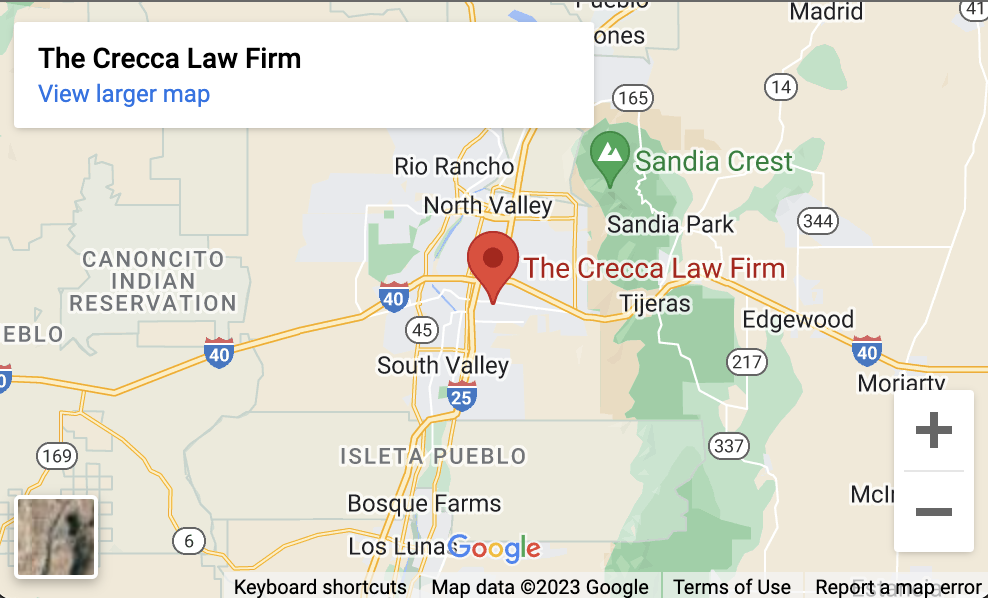
For injured people in New Mexico, that early conversation can bring immediate clarity. You can learn whether the claim is likely minor, whether fault issues are developing, what evidence should be protected, and whether the insurance company is already steering the case in the wrong direction. Firms like The Crecca Law Firm build their reputation on stepping in early, dealing directly with clients, and putting insurers on notice that lowball tactics will not go unanswered.
If your injuries are significant, your bills are growing, your income has taken a hit, or the insurance company is giving you the runaround, do not wait for the situation to get worse before you act. The right time to get legal help is often the moment you realize the other side is protecting its money instead of your future.
You only get one shot at many injury claims. Make sure you do not spend it trusting the people on the other side to be fair.



Leave a Reply
Want to join the discussion?Feel free to contribute!