The Crecca Law Firm
  • Home
  • About Us
  • Practice Areas
    • Asbestos Cases
    • Bad Faith Insurance
    • Bicycle Accidents
    • Brain and Head Injuries
    • Burn Injuries
    • Business Litigation
    • Car Accident
    • Medication & Drug Liability
    • Dog Bite
    • Drunk Driving Accidents
    • Motorcycle Accidents
    • Nursing Home Negligence
    • Pedestrian Injuries
    • Personal Injury
    • Slip & Fall Accidents
    • Trucking Accidents
    • Uninsured Motorist
    • Wrongful Death
  • Blog
  • News
  • Contact Us
  • (505) 766-9999
  • Menu Menu
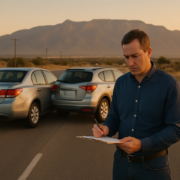
Low car accident settlement offer in Albuquerque reviewed beside damaged vehicles

What Explains a Low Albuquerque Car Crash Settlement Offer?

August 25, 2026

A settlement offer after a collision can feel confusing, especially when the amount does not appear to match the medical bills, time away from work, or damage to the vehicle. A low car accident settlement offer in Albuquerque may result from incomplete documentation, questions about future treatment, or disagreement about who caused the crash—not necessarily from one automatic formula or improper conduct.

For people handling an injury claim in Albuquerque, accepting an offer may resolve the claim and affect the ability to seek additional compensation later. At the same time, every claim has different evidence, insurance coverage, injuries, and legal issues. The Crecca Law Firm can help readers understand the categories that commonly affect valuation and the questions to ask before responding.

This guide explains how to compare an offer with documented medical expenses, ongoing care, lost income, vehicle evidence, and disputed fault. It also discusses practical ways to organize a response without advising anyone to accept or reject a particular proposal.

Why Might a Low Car Accident Settlement Offer in Albuquerque Miss Important Damages?

An insurer typically evaluates the information available to it. If records are incomplete or a claimed loss is difficult to verify, the initial assessment may not reflect the full scope of the claim. An offer can therefore be lower than expected even when the injured person believes the responsibility of the other driver is clear.

Medical expenses and future treatment

Review whether the offer appears to account for all reasonable, documented medical expenses connected to the collision. Relevant records may include emergency care, follow-up visits, imaging, prescriptions, therapy, and other services documented by providers. Medical bills alone do not automatically establish that every future cost will be covered, so evidence about continuing symptoms and anticipated care may also matter.

A claim involving treatment that is still in progress can be difficult to value. The insurer may question whether additional care is related to the crash, whether it is medically necessary, or whether the available records support a projected expense. Those questions are fact-specific and may require careful review of medical documentation.

Lost income and vehicle damage

The valuation may also be incomplete if it does not include adequately supported income loss. Pay records, employer information, tax documents, and evidence of missed work can help show the economic effect of an injury, although the appropriate proof depends on the person’s work arrangement.

Vehicle evidence can matter as well. Repair estimates, photographs, towing or storage records, and valuation information may help establish property damage. The visible condition of a vehicle does not, by itself, determine the seriousness of an injury or the value of a claim, but inconsistent or missing records can create uncertainty.

How Should You Compare an Albuquerque Car Accident Settlement Offer With the Evidence?

A structured comparison can reveal which parts of an offer are supported and which issues remain disputed. In Albuquerque, an injury claim may involve an insurer’s adjuster, medical providers, employers, repair professionals, and potentially proceedings in Bernalillo County or another New Mexico court. The applicable rules depend on the facts and jurisdiction, and New Mexico law may change over time.

Consider organizing the claim into separate categories:

  • Past medical care: Compare the offer with itemized bills and records tied to the collision.
  • Future medical needs: Identify whether providers have documented ongoing treatment, limitations, or anticipated care.
  • Income loss: Gather evidence of missed work, reduced hours, disability-related restrictions, or interrupted self-employment income.
  • Vehicle and other property damage: Review repair estimates, photographs, rental-related documentation, and proof of out-of-pocket expenses.
  • Pain, limitations, and daily effects: Keep a factual record of how the injury affects ordinary activities, while recognizing that non-economic damages are highly dependent on the evidence and circumstances.
  • Fault and causation: Examine whether the offer discounts the claim because of alleged shared responsibility or a claimed lack of connection between the crash and the injury.

Look for the reason behind the number

The amount itself does not explain the insurer’s position. A written evaluation or other claim communications may indicate that the insurer disputes treatment, applies a different view of fault, questions wage proof, or believes the available policy coverage limits the claim. Identifying the disputed category is often more useful than simply describing the offer as unfair.

In New Mexico, fault allocation can affect recovery in some personal injury matters. The precise effect depends on the facts, the evidence, and the governing law. An attorney evaluating an Albuquerque claim may examine traffic evidence, witness accounts, photographs, medical records, and insurance documents before assessing how a fault dispute could affect negotiations.

What Practical Options Exist After a Low Car Accident Settlement Offer?

People often feel pressure to respond quickly, but an offer can involve important legal and financial consequences. Generally speaking, a claimant may consider these information-gathering and communication steps:

  1. Preserve the offer and related communications. Keep copies of letters, emails, estimates, medical records, and explanations of the insurer’s position.
  2. Create a damages file. Organize bills, treatment notes, work-loss evidence, photographs, repair information, and a calendar of symptoms or limitations.
  3. Check for unresolved issues. Determine whether the disagreement concerns medical causation, future care, income, property damage, fault, or available coverage.
  4. Avoid unsupported assumptions. Do not treat a settlement calculator, a standard multiplier, or a single bill as a complete valuation of an injury claim.
  5. Consider legal review. Depending on the circumstances, a licensed New Mexico attorney may help assess the evidence, communicate with the insurer, and explore negotiation or other available options.

Why signing can be significant

A settlement agreement commonly includes a release or other language intended to resolve claims arising from the collision. The exact wording matters. Once a release is signed and payment is accepted, pursuing additional compensation may be limited, depending on the agreement and applicable law. Readers may wish to understand the document’s terms before making a decision.

A lawyer can also examine whether other insurance policies, medical payment arrangements, liens, or coverage questions affect the practical value of an offer. These issues are separate from deciding whether an amount looks high or low and can change the amount ultimately available to the claimant.

Frequently Asked Questions

Is a low settlement offer automatically evidence that an insurer acted improperly?

No. An offer may be based on incomplete records, a different interpretation of fault, questions about medical causation, or uncertainty about future losses. That does not establish bad faith or wrongdoing. The important issue is usually why the insurer reached its valuation and whether the available evidence addresses that reasoning. A New Mexico attorney can review the communications and claim documents in light of the specific circumstances.

Can an Albuquerque car accident claim include future medical expenses?

It may, depending on the injury evidence and applicable New Mexico law. Future care generally requires more than a general statement that treatment might continue; records or opinions addressing anticipated care, limitations, and costs may be relevant. The strength and form of that evidence vary by case. A claim evaluation may consider both documented past care and reasonably supported future needs.

What if the other driver says I caused part of the crash?

A shared-fault allegation can affect negotiations and, in some situations, the amount that may be recovered. The effect depends on the evidence and the governing New Mexico legal principles. Photos, crash reports, witness information, vehicle data, and other records may help clarify what happened. Because fault disputes are fact-specific, readers may benefit from discussing the evidence with a licensed attorney before responding.

Does a damaged vehicle prove the value of an injury claim?

Not by itself. Vehicle damage can provide useful information about the collision, but it does not conclusively establish the nature, severity, or value of a person’s injuries. Medical records, treatment history, reported limitations, and other evidence are also relevant. Property damage should be documented separately with photographs, repair estimates, invoices, and proof of related expenses where available.

How The Crecca Law Firm Can Help

The Crecca Law Firm is dedicated to helping Albuquerque injury victims understand the evidence behind an insurance settlement offer. The firm can review available medical records, income-loss documentation, vehicle evidence, insurance communications, and disputed-fault issues to help identify questions affecting claim valuation.

Every case is different, and no attorney can promise a particular settlement or result. The firm is committed to fighting for clients’ rights while providing a clear assessment of potential legal options under applicable New Mexico law. Contact The Crecca Law Firm for a free consultation or case evaluation to discuss your situation.

The information in this article is for educational purposes only and does not constitute legal advice. Contact a qualified attorney licensed in Albuquerque, NM for advice specific to your situation.

https://thecreccalawfirm.com/wp-content/uploads/2026/08/what-explains-a-low-albuquerque-car-crash-settlement-offer-1144-featured-publisher.webp 1024 1536 publisher https://thecreccalawfirm.com/wp-content/uploads/2023/03/logo-300x87.png publisher2026-08-25 08:09:522026-08-25 08:13:16What Explains a Low Albuquerque Car Crash Settlement Offer?
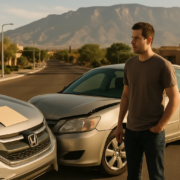
Uninsured driver accident in Albuquerque involving two vehicles on a Southwestern city street

How Is an Uninsured Driver Accident Handled in Albuquerque?

August 24, 2026

An uninsured driver can turn an already stressful crash into a confusing coverage problem. You may be dealing with vehicle damage, medical appointments, missed work, and questions about who will pay. If you are searching for information about an uninsured driver accident in Albuquerque, understanding the insurance process early can help you preserve important evidence and identify possible sources of coverage.

The at-fault driver’s lack of insurance does not automatically resolve the claim in your favor, and it does not necessarily mean recovery is impossible. In many cases, the next steps involve your own automobile policy, an investigation into fault and damages, and careful coordination with medical providers and health insurers. The Crecca Law Firm can help Albuquerque crash victims understand how these pieces may fit together.

This guide explains what to check in your policy, how to report and document the collision, how medical payments coverage may interact with treatment bills, and why an uninsured motorist claim can still involve detailed review by an insurance company. New Mexico law and policy language control the analysis, and circumstances vary from crash to crash.

What to Do After an Uninsured Driver Accident in Albuquerque

When the other driver has no applicable liability insurance, the first question is often whether your own policy includes uninsured motorist, or UM, coverage. UM coverage is generally designed to address certain losses caused by a driver who has no insurance, subject to the policy’s terms, limits, exclusions, and conditions. It is different from pursuing the at-fault driver personally.

Review every potentially applicable policy

Look for the declarations page, coverage summary, endorsements, and definitions in:

  • Your own automobile policy
  • A household member’s policy, when the policy language may extend coverage
  • Coverage for a vehicle you occupy or own
  • Medical payments or MedPay coverage, if included

Do not assume that a policy label answers every question. The amount of coverage, vehicles insured, notice requirements, and treatment of multiple claimants can matter. Depending on the circumstances, an attorney may review the policy and identify issues that are not obvious from an insurance card.

Liability recovery and first-party coverage are different

A liability claim against the at-fault driver depends on that driver’s available insurance or personal assets. A New Mexico UM insurance claim is a first-party claim made under your own policy, even though it is based on another driver’s alleged fault. Your insurer may investigate the collision, ask for records, evaluate medical causation, and assess whether the policy applies.

In Albuquerque, NM, this distinction is important because your own insurer is not simply writing an automatic payment. It is evaluating a contractual claim under the policy and applicable New Mexico rules.

How Reporting and Evidence Affect a New Mexico UM Claim

Prompt, consistent documentation can help establish what happened and what losses followed. Reporting the crash to law enforcement and your insurer creates an early record, but neither a police report nor an insurance report alone proves every part of a claim. The insurer may compare the accounts, physical evidence, medical records, and other available information.

Depending on the circumstances, useful information may include:

  • The crash report and incident number
  • Photographs or video of vehicle positions, roadway conditions, damage, and visible injuries
  • Names and contact information for witnesses
  • The other driver’s identifying and insurance information, if available
  • Vehicle repair estimates, towing records, and receipts
  • Medical records and bills related to the collision
  • A symptom and treatment timeline prepared from your own records
  • Wage or income documentation for claimed time away from work

Report the collision without guessing about coverage

Tell your insurer that the crash may involve an uninsured driver and provide the basic facts. Avoid changing your account to fit assumptions about what the policy covers. Recorded statements, medical authorizations, and settlement documents can have legal significance, so depending on the situation, an attorney may advise reviewing them before signing or providing them.

Medical payments coverage may be separate

MedPay, when included in an auto policy, may help with certain accident-related medical expenses regardless of who caused the crash, subject to policy limits and conditions. It is not the same as UM coverage and may not compensate for all injury-related losses. Health insurance, provider billing arrangements, and reimbursement claims can also affect how bills are handled.

A person in Albuquerque, NM may have several payment sources involved at once. Keeping copies of bills, explanations of benefits, receipts, and provider correspondence can make it easier to track what has been paid, what remains due, and whether an insurer or benefit plan asserts a reimbursement interest.

Common Problems in an Uninsured Motorist Claim

An uninsured motorist claim can involve more than proving that the other driver lacked insurance. The insurer may examine whether the other driver caused the collision, whether the claimed injuries are related, and whether the losses are supported by reliable records. It may also review policy conditions, notice, cooperation, and available coverage limits.

Common problems include:

  1. Assuming the police report decides fault. The report may be important evidence, but insurers can consider photographs, witness accounts, vehicle damage, roadway evidence, and other records.
  2. Failing to preserve policy documents. Coverage questions often depend on the complete policy, not just the declarations page.
  3. Delaying medical evaluation or records collection. Gaps in treatment may prompt questions about the relationship between the crash and later symptoms. Only a medical professional can evaluate your health needs.
  4. Mixing separate claims together. Property damage, bodily injury, MedPay, health insurance reimbursement, and UM benefits may involve different rules and documents.
  5. Accepting a quick resolution without understanding its scope. A release may affect claims or benefits beyond the immediate payment being discussed.

New Mexico is a comparative-fault jurisdiction, meaning responsibility may be allocated among parties in some injury disputes. The effect of any alleged fault depends on the facts and applicable law. Because deadlines and insurance procedures can vary, a lawyer evaluating a car accident with no insurance in Albuquerque may focus on both the evidence and the policy language.

Frequently Asked Questions

Can I make an uninsured motorist claim if I did not cause the Albuquerque crash?

Possibly, if an applicable policy provides UM coverage and the required conditions are met. The claim may still require proof that the other driver was uninsured, caused the collision, and that you sustained covered damages. Policy language, available limits, notice, and evidence all matter. An attorney licensed in New Mexico can review the facts and explain potential options without assuming a particular result.

What if the uninsured driver disputes responsibility for the crash?

Your insurer may investigate fault rather than accepting either driver’s account automatically. Photos, witness information, vehicle damage, traffic-camera footage, and the crash report may become relevant. You may also need to explain the collision and provide supporting records. If fault remains disputed, the strength and consistency of the available evidence can affect how the claim proceeds under New Mexico law.

Does uninsured motorist coverage pay my medical bills immediately?

Not necessarily. UM coverage is subject to policy terms and may be evaluated after the insurer reviews fault and damages. MedPay or health insurance may provide separate ways to address eligible bills, depending on the coverage available. Providers and insurers may also have reimbursement or lien-related interests. Keep billing records and ask qualified professionals how those interests may affect your situation.

Should I speak with a lawyer about an uninsured driver accident in Albuquerque?

A consultation may be useful when injuries, disputed fault, significant property damage, multiple insurance policies, or policy questions are involved. A lawyer may help organize evidence, assess coverage issues, communicate with insurers, and explain procedural choices. No attorney can promise a particular outcome, and the value of individualized advice depends on reviewing the facts, records, and applicable New Mexico law.

How The Crecca Law Firm Can Help

The Crecca Law Firm is dedicated to helping Albuquerque crash victims understand the coverage and evidence issues that may follow an uninsured-driver collision. The firm is committed to fighting for clients’ rights while examining policy language, crash documentation, medical records, and the handling of first-party insurance claims.

If you were involved in an uninsured driver accident in Albuquerque, the firm is ready to evaluate your situation and discuss potential legal options. Contact The Crecca Law Firm for a free consultation or case evaluation. An attorney can explain how New Mexico law may apply to your circumstances, without promising a specific result.

The information in this article is for educational purposes only and does not constitute legal advice. Contact a qualified attorney licensed in Albuquerque, NM for advice specific to your situation.

https://thecreccalawfirm.com/wp-content/uploads/2026/08/uninsured-driver-accident-albuquerque-1078-featured-publisher.webp 1024 1536 publisher https://thecreccalawfirm.com/wp-content/uploads/2023/03/logo-300x87.png publisher2026-08-24 09:25:492026-08-24 09:30:06How Is an Uninsured Driver Accident Handled in Albuquerque?
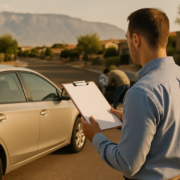
Albuquerque car accident medical authorization reviewed in a private professional setting

Must You Sign Every Albuquerque Car Accident Medical Form?

August 24, 2026

After a crash, an insurance adjuster may send several forms and ask for a signature before discussing an injury claim. One of those forms may be an authorization for medical records. If you are reviewing an Albuquerque car accident medical authorization, you may wonder: Do you have to sign it exactly as written, or can you limit the information it allows the insurer to obtain?

Generally speaking, a claimant does not have to treat every adjuster form as nonnegotiable. Medical information can be important to evaluating injuries, treatment, causation, and damages, but that does not automatically mean an insurer should receive unrestricted access to an entire lifetime of medical history. The Crecca Law Firm helps injured people understand the difference between reasonable claim documentation and requests that may be broader than necessary.

This article explains why insurers request medical information, what a focused authorization may address, how New Mexico privacy and personal injury principles fit together, and mistakes that can complicate an Albuquerque claim. It is educational information, not individualized legal advice.

Can an Albuquerque Car Accident Medical Authorization Be Limited?

An authorization is permission for a healthcare provider or records custodian to release specified information. In a personal injury claim, an insurer may seek records to evaluate whether the crash caused the claimed condition, what treatment was provided, and whether the claimant experienced financial losses from medical care. Those are legitimate topics for claim evaluation, but the scope of the request matters.

A focused release may identify:

  • The healthcare providers or facilities authorized to respond;
  • The relevant period, such as records beginning near the crash or covering treatment for the claimed body area;
  • The types of records being requested, such as bills, imaging, visit notes, or treatment summaries; and
  • The purpose of the disclosure and how long the authorization remains effective.

Why the scope matters

A request for records involving the same body part before and after a collision may be relevant to causation. For example, earlier records could help clarify whether a condition was new, aggravated, or unrelated. That does not mean every record from every provider is automatically relevant. Mental health, unrelated conditions, reproductive care, and other highly private information may raise separate concerns, depending on the claim and the records involved.

An Albuquerque, NM claimant may be able to discuss a narrower authorization or offer relevant records through counsel. Whether a particular limitation is appropriate depends on the injuries claimed, the medical history, the insurer’s stated reason for the request, and the applicable New Mexico rules and procedures.

Why Do Insurers Request Medical Records After a Crash?

An insurer generally uses medical information to examine two connected issues: the nature of the claimed losses and whether the accident caused them. This process is often called evaluating causation and damages. A medical authorization can make it easier for the insurer to request records directly, but signing one does not necessarily resolve every dispute about relevance, privacy, or completeness.

Records that may be relevant

Depending on the circumstances, relevant materials may include:

  1. Emergency department or urgent-care records created after the collision.
  2. Diagnostic imaging and reports concerning the claimed injury.
  3. Treatment notes from providers who evaluated the condition.
  4. Medical bills and information about charges related to the claimed care.
  5. Prior records involving the same body part or a similar condition, when they bear on causation.

A medical records request after an auto accident in New Mexico may become more complicated when treatment involves multiple providers or when symptoms developed later. The insurer may ask about prior complaints, gaps in treatment, or another event that could have affected the condition. Those questions can be part of a claim investigation, but a broad demand for unrelated records may still warrant careful review.

HIPAA is often mentioned in this setting. In general terms, HIPAA governs how covered healthcare providers and organizations handle protected health information; it does not mean an insurer is automatically entitled to every medical record, and it does not prevent a claimant from voluntarily providing relevant information. A HIPAA authorization for a personal injury claim should be reviewed for its stated scope, purpose, expiration, and any special categories of information it addresses.

For a collision handled in Albuquerque, NM, the records may later be used in settlement discussions or litigation. If a civil case proceeds in Bernalillo County, the applicable discovery process and court rules may affect how relevant medical information is requested and exchanged. Laws and procedures can vary by jurisdiction and may change, so a New Mexico attorney can explain the rules that apply to a specific claim.

What Mistakes Can Make an Insurance Medical Release Riskier?

The practical issue is not whether medical evidence may be relevant. It is whether the release gives the insurer a clear, reasonable path to obtain information connected to the claim without unnecessarily exposing unrelated private details.

Common problems include:

  • Signing a blank or incomplete form;
  • Failing to read the provider names, date range, purpose, or expiration date;
  • Assuming an adjuster’s request is a court order;
  • Giving inconsistent descriptions of prior injuries or treatment;
  • Sending original records without keeping copies; and
  • Allowing an authorization to remain open-ended when a defined period may address the request.

A claimant also should not assume that refusing every medical request is risk-free. If an injury claim places a person’s physical condition at issue, relevant medical evidence may be necessary to support the claim and respond to causation questions. Privacy concerns are not a substitute for disclosure of information that genuinely bears on the injuries being claimed.

A measured approach may involve asking what issue the insurer is investigating, identifying the providers connected to that issue, and discussing whether existing records can answer the question. Depending on the circumstances, an attorney may help organize medical records, evaluate a proposed insurance medical release after a car accident, and communicate about limits without making unsupported promises about what an insurer will accept.

When reviewing counsel, an Albuquerque injury lawyer should be prepared to explain the requested records, the potential relevance of prior treatment, and the consequences of different responses. The goal is informed decision-making rather than automatic agreement or automatic refusal.

Frequently Asked Questions

Do I have to sign every medical form an adjuster sends after an Albuquerque crash?

Not necessarily. An adjuster’s request is generally not the same as a court order, and forms may differ in scope. However, relevant medical records can be important to proving injury, treatment, and causation. Depending on the circumstances, an attorney may review the form, identify concerns, and discuss whether a narrower authorization or direct production of relevant records is appropriate under New Mexico law.

Can an insurer ask for medical records from before my car accident?

It may ask for prior records when they could reasonably bear on the claimed injury, such as earlier treatment involving the same body part or condition. That does not automatically make an entire medical history relevant. The appropriate period and subject matter depend on the claim. A licensed New Mexico attorney can assess how prior records may affect causation and what privacy issues may arise.

Does HIPAA stop an insurance company from obtaining my medical records?

HIPAA generally regulates disclosures by covered healthcare providers and organizations. It does not necessarily prevent an insurer from requesting records or a claimant from authorizing their release. A HIPAA authorization for a personal injury claim should state what may be disclosed and for what purpose. Whether a request is appropriate also depends on relevance, consent, and applicable New Mexico procedure.

What if I already signed a broad medical authorization?

The available options depend on the form, the records already disclosed, and the status of the claim. Some authorizations may include provisions concerning expiration or revocation, while others may be governed by additional legal or contractual considerations. Preserve a copy of what you signed and any related communications. An attorney can review the document and explain possible next steps without assuming a particular result.

How The Crecca Law Firm Can Help

The Crecca Law Firm is dedicated to helping Albuquerque crash victims understand the information insurers request and why it may matter. The firm is committed to fighting for clients’ rights while taking a careful approach to medical records, causation questions, treatment documentation, and privacy concerns.

Rather than treating every authorization as routine, the legal team can evaluate the proposed release, discuss potentially relevant records, and help a client understand the practical choices available under New Mexico law. If you have questions about an Albuquerque car accident medical authorization, contact The Crecca Law Firm for a free consultation or case evaluation.

The information in this article is for educational purposes only and does not constitute legal advice. Contact a qualified attorney licensed in Albuquerque, NM for advice specific to your situation.
https://thecreccalawfirm.com/wp-content/uploads/2026/08/must-you-sign-every-albuquerque-car-accident-medical-form-1048-featured-publisher.webp 1024 1536 publisher https://thecreccalawfirm.com/wp-content/uploads/2023/03/logo-300x87.png publisher2026-08-24 08:15:442026-08-24 08:22:08Must You Sign Every Albuquerque Car Accident Medical Form?
Albuquerque rental car accident insurance claim scene with vehicles near Sandia Mountains

How Does an Albuquerque Rental Car Insurance Claim Work?

August 23, 2026

A rental car can make a stressful collision more complicated. Instead of dealing with only the other driver and an auto insurer, a renter may also need to review the rental agreement, personal auto policy, credit-card benefits, and notices from the rental company. The right coverage may depend on facts that are easy to overlook, such as who was driving, whether the driver was authorized, and what protection was accepted or declined at the counter.

If you are researching an Albuquerque rental car accident insurance claim, understanding those moving parts can help you organize records and recognize questions that may require professional review. The Crecca Law Firm can help people understand the issues that may arise after an Albuquerque crash involving a rented vehicle. This article explains how rental agreements, insurance policies, collision damage waivers, liability rules, and damage notices may affect the claim process in New Mexico.

How an Albuquerque Rental Car Accident Insurance Claim Is Sorted Out

A rental-car crash may involve separate questions about damage to the rented vehicle, injuries to people in the vehicles, and responsibility for the collision. These questions do not always have the same answer. A policy or waiver that addresses vehicle damage may not provide liability coverage for injuries or damage caused to someone else.

Start with the rental agreement

The rental contract generally identifies the authorized renter, permitted drivers, geographic restrictions, prohibited uses, reporting duties, and protections selected at the time of rental. It may also describe what happens after a collision, including requirements to notify the rental company and cooperate with an investigation.

The person who rented the vehicle may have contractual responsibilities even when another driver caused the crash. For example, the agreement may require prompt notice, a police report in certain circumstances, or cooperation with the rental company’s claims department. Whether a particular term applies depends on the contract and the facts.

Separate vehicle damage from injury liability

An Albuquerque rental car accident insurance claim may involve at least two broad categories:

  • Damage to the rental vehicle, including repair costs, loss-of-use allegations, towing, storage, or administrative charges.
  • Liability for bodily injuries or property damage suffered by other people.

A collision damage waiver, sometimes called a loss damage waiver, is usually a contractual protection offered by the rental company. It is not automatically the same as an insurance policy, and exclusions may apply. Personal auto insurance or another policy may address different risks. Reviewing each document together is often important before assuming that one source of coverage controls everything.

Which Policies May Respond After a Rental Car Crash in New Mexico?

When a renter is involved in a car accident, more than one potential coverage source may need to be examined. The order in which policies respond can depend on policy language, the rental contract, the driver’s status, and the type of loss. Laws and insurance rules vary by location and may change, so New Mexico-specific advice should come from a licensed attorney or insurance professional who can review the current documents.

<

Potential sources may include:

  1. The renter’s personal auto policy. Some policies extend coverage to temporary substitute or rented vehicles, subject to definitions, limits, deductibles, exclusions, and the purpose of the rental. A policy may treat damage to the rental vehicle differently from liability to another person.
  2. A collision damage waiver or similar rental protection. If accepted, this contractual protection may address certain damage claims by the rental company. It may contain exclusions for unauthorized drivers, prohibited use, intentional conduct, or violations of the rental terms.
  3. Credit-card coverage. A credit-card issuer may offer rental-vehicle protection when specific conditions are met, such as paying for the rental with that card and declining certain protections. Benefits often have limits and exclusions, and they may be secondary to other coverage.
  4. The rental company’s insurance or supplemental coverage. A rental company may offer liability or other products, but the scope depends on what was purchased, what the contract provides, and applicable New Mexico law.
  5. The at-fault driver’s liability insurance. If another driver caused the collision, that driver’s policy may be relevant to injuries and property damage, subject to coverage limits and fault issues.

An insurer or rental company may ask for a recorded statement, photographs, receipts, policy information, or a copy of the rental agreement. A person may want to understand the purpose of a request and the potential effect of providing information before responding, particularly when injuries or disputed responsibility are involved.

Damage Notices, Responsibility, and Common Mistakes

The rental company may send a damage notice after inspecting the vehicle. The notice could refer to repair estimates, a deductible, loss of use, diminished value, towing, storage, or administrative expenses. Receiving a notice does not by itself establish who caused the crash or determine whether every listed charge is covered.

Keep the records connected

A complete file may include:

  • The rental agreement and any protection selections or declinations.
  • Personal auto policy declarations and relevant coverage correspondence.
  • Credit-card rental benefit terms and proof of payment, if applicable.
  • The crash report, photographs, witness information, and vehicle-damage images.
  • Medical records and bills relating to reported injuries.
  • Emails, letters, invoices, estimates, and claim numbers from insurers or the rental company.

In Albuquerque, a crash report may be associated with local law-enforcement records, while insurance claims may be handled by companies located outside New Mexico. Those records serve different purposes and may not answer every coverage or liability question.

Avoid assumptions about fault or coverage

Common problems include assuming the rental company’s protection covers all losses, overlooking an unauthorized driver issue, ignoring a notice because the renter did not cause the crash, or accepting a charge without reviewing its basis. Another mistake is treating a credit-card benefit as automatically primary. These issues can affect the rental company’s claim, an injured person’s claim, or both.

New Mexico generally uses comparative-fault principles in personal injury disputes, but the effect of fault allocation depends on the facts, the claims asserted, and current New Mexico law. A rental agreement can add contractual questions that are separate from the negligence analysis. Because these matters can involve overlapping deadlines and communications, an attorney may help evaluate the documents and explain available options.

Frequently Asked Questions

Does the renter have to pay for the rental car damage after a crash?

Not necessarily. Responsibility may depend on the rental agreement, any collision damage waiver, applicable personal auto coverage, credit-card benefits, the cause of the crash, and exclusions. The rental company may initially seek payment or request insurance information while coverage is reviewed. A damage notice is not the same as a final legal determination. The specific contract and claim documents matter.

Can a credit card cover a collision involving a rental vehicle?

Some credit-card programs provide rental-vehicle protection, but eligibility and scope vary. Requirements may include using the card to pay for the rental, declining certain rental protections, and complying with time or vehicle restrictions. Coverage may be secondary or exclude liability for injuries to others. The cardholder should review the benefit terms that applied to the rental and preserve related records.

What if someone other than the renter was driving?

The answer may turn on whether the driver was listed or otherwise authorized under the rental agreement and whether the renter’s insurance policy permits coverage. An unauthorized driver can create contract or coverage disputes, but that status does not alone decide who caused the collision. Insurers may request information about permission, the driver’s identity, and the circumstances of use.

Does reporting the crash mean the renter admits responsibility?

Reporting a collision generally provides notice and helps preserve information; it does not automatically resolve fault. A report should be accurate and limited to known facts. Statements about responsibility, coverage, or injuries may later be examined by insurers or other parties. Depending on the circumstances, an attorney can explain how communications may affect an Albuquerque claim.

How The Crecca Law Firm Can Help

The Crecca Law Firm is dedicated to helping Albuquerque, NM, clients understand the insurance and responsibility issues that can follow a rental-car collision. The firm can review the rental agreement, policy language, damage notices, crash information, and communications with insurers to help identify the questions affecting a potential claim.

Because every collision has different facts, the firm is committed to fighting for clients’ rights while providing a realistic explanation of available legal options. If you were injured or are facing a disputed rental-vehicle damage claim, contact The Crecca Law Firm for a free consultation or case evaluation.

The information in this article is for educational purposes only and does not constitute legal advice. Contact a qualified attorney licensed in Albuquerque, NM for advice specific to your situation.
https://thecreccalawfirm.com/wp-content/uploads/2026/08/albuquerque-rental-car-accident-insurance-claim-982-featured-publisher.webp 1024 1536 publisher https://thecreccalawfirm.com/wp-content/uploads/2023/03/logo-300x87.png publisher2026-08-23 09:14:072026-08-23 09:20:17How Does an Albuquerque Rental Car Insurance Claim Work?
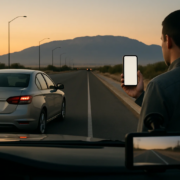
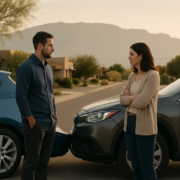
Phone records that may prove distracted driving after an Albuquerque car accident

Could Phone Data Prove Distracted Driving in Albuquerque?

August 23, 2026

A driver looking down for only a moment may leave behind more than skid marks and vehicle damage. A witness may remember seeing a glowing screen, a nearby vehicle may have captured the roadway, and digital records may show activity close to the time of impact. For people trying to prove distracted driving after a car accident in Albuquerque, those details can become important pieces of the evidence.

The evidence is not always simple to obtain or interpret. A phone bill may show a call but not whether the driver was holding the device. An app timestamp may suggest activity without proving who was using the phone. Privacy laws and account security also limit what another person can access.

The Crecca Law Firm can help crash victims understand how this evidence may fit into a broader injury claim. This article explains what phone and app records may exist, what witnesses should record immediately, how preservation requests and subpoenas work generally, and why no one should access or alter another person’s device.

What Phone and App Records May Prove Distracted Driving in Albuquerque?

Digital evidence can sometimes help establish timing, activity, and device use. It usually works best when combined with independent evidence rather than treated as conclusive by itself.

Potential sources of phone-related evidence

Depending on the circumstances, relevant records may include:

  • Call logs showing incoming, outgoing, or missed calls near the collision time.
  • Text-message or messaging-app timestamps, although message content may be private or unavailable.
  • Records showing activity in navigation, social media, streaming, or other apps.
  • Phone operating-system data concerning screen use, notifications, or device interaction.
  • Cellular carrier records reflecting calls, texts, or network connections.
  • Cloud-account information, subject to account access, privacy rules, and legal process.

These records can have limits. A phone may have been used by a passenger, an app may run in the background, or a timestamp may not match the exact time recorded by a crash report or vehicle system. A record can support an argument about distraction, but it may not independently establish who touched the phone or what the driver was doing.

In Albuquerque, NM, investigators and attorneys may compare digital records with the police report, photographs, vehicle damage, roadway evidence, and medical documentation. The goal is to build a reliable timeline rather than rely on a single data point.

How Should You Preserve Texting and Driving Evidence in New Mexico?

Evidence can disappear through ordinary phone use, automatic deletion settings, cloud-storage changes, or the loss of a witness’s original recording. Prompt preservation is therefore important, but preservation does not mean a crash victim has permission to investigate another person’s phone personally.

What victims and witnesses can record immediately

As soon as it is safe, a witness or crash victim may consider documenting observations through lawful means, such as:

  1. Writing down what the driver appeared to be doing, including whether the person was looking down, holding a device, or interacting with a screen.
  2. Recording the approximate time, location, direction of travel, weather, traffic conditions, and identifying features of the vehicles.
  3. Saving original photographs or videos of the scene, nearby cameras, vehicle positions, and visible damage without editing the files.
  4. Asking willing witnesses for their names and contact information, if they choose to provide it.
  5. Noting nearby businesses, residences, transit vehicles, or other locations that might have roadway footage.

A witness should avoid guessing about what appeared on a screen. “The driver was looking down and tapping a rectangular device” is generally more useful than stating as a fact that the driver was texting when the witness could not see the screen.

A lawyer may send a preservation request to a driver, an employer, a fleet operator, a carrier, or a business with relevant video. Such a request asks that potentially relevant information not be deleted or overwritten. It does not automatically compel production, and some records may already be unavailable.

Why you should not access another person’s device

Do not take, unlock, search, download, delete, or alter another person’s phone or accounts. Even if the purpose is to preserve evidence, unauthorized access can create privacy concerns, affect the reliability of the information, or lead to disputes about how the data was obtained. In New Mexico, the specific rules governing admissibility, discovery, and privacy depend on the facts and the forum. An attorney can evaluate lawful methods for requesting or obtaining records.

How Are Phone Records Obtained and Used in an Albuquerque Crash Claim?

Phone records after a car accident are often subject to privacy limitations. A person may voluntarily provide records, but a victim generally cannot demand another driver’s private account information simply because a collision occurred. Attorneys may use formal discovery, subpoenas, or other court-approved procedures when appropriate.

The process may involve several steps:

  • Identifying the precise time window: Investigators may compare dispatch information, emergency calls, witness accounts, traffic-camera footage, and vehicle data.
  • Sending preservation communications: Relevant parties may be asked to retain phone, app, dash-camera, surveillance, or fleet records.
  • Requesting records through lawful process: Depending on the claim and litigation status, a subpoena or discovery request may seek specific categories of data rather than an unlimited search.
  • Reviewing authenticity and context: Records may need supporting information showing their source, time settings, account association, and completeness.
  • Comparing evidence: Phone data may be assessed alongside statements, photographs, crash-reconstruction evidence, and other facts.

A carrier record may show that a call or text was transmitted, but it may not reveal whether the driver read a message, used a hands-free system, or had a passenger operating the phone. App data can present similar questions. The absence of a record also does not necessarily prove that no distraction occurred.

Albuquerque car accident claims may involve proceedings in New Mexico state courts or, in some situations, federal court. Procedures and privacy protections vary by jurisdiction and may change over time. A distracted driver accident lawyer in Albuquerque can explain which requests may be relevant to a particular claim and how to avoid an unnecessarily broad or intrusive demand.

Common mistakes that can weaken digital evidence

Potential problems include editing a video before saving the original, posting opinions about the other driver online, relying on screenshots without retaining the source, and waiting so long that a business system automatically overwrites footage. Keeping original files and a basic record of when and how they were obtained can help preserve their context.

Frequently Asked Questions

Can a phone bill prove that someone was texting while driving?

A phone bill or carrier record may show that a call or text was sent or received near the time of a collision. It typically does not prove who was using the device, whether the phone was hands-free, or whether a message was read. In many cases, the record is one part of a larger timeline that may include witnesses, video, vehicle data, and statements.

Can a witness’s photo or video help establish phone use?

Yes, an original photo or video may help show a driver’s hand position, head movement, or visible device use. Its value may depend on when it was recorded, the viewing angle, image quality, and whether the file has been edited. Witnesses should preserve the original file and accurately describe what they personally observed rather than make assumptions about the screen’s content.

What if the other driver refuses to share phone records?

A driver does not necessarily have to provide private phone data informally. Depending on the circumstances, an attorney may evaluate a preservation request, formal discovery, or a subpoena seeking specific relevant records. The scope and timing of those tools depend on the claim and applicable New Mexico procedure. A refusal alone does not establish that distraction occurred.

Does using a navigation app automatically prove distracted driving?

No. Navigation use may be lawful or may create a distraction depending on how and when it was used, the device setup, and the surrounding facts. App activity generally needs context. Investigators may consider whether the driver was interacting with the screen, whether a passenger was using the phone, and how the activity fits with witness accounts and other crash evidence.

How The Crecca Law Firm Can Help

The Crecca Law Firm is dedicated to helping Albuquerque crash victims understand the evidence that may support a personal injury claim. The firm can evaluate witness observations, photographs, video sources, phone-related records, preservation concerns, and the potential privacy limits affecting digital evidence.

Because every collision has different facts, the firm is committed to fighting for clients’ rights while explaining the legal process in clear terms. If you are unsure what to preserve after a suspected distracted-driving crash, contact The Crecca Law Firm for a free consultation or case evaluation.

The information in this article is for educational purposes only and does not constitute legal advice. Contact a qualified attorney licensed in Albuquerque, NM for advice specific to your situation.
https://thecreccalawfirm.com/wp-content/uploads/2026/08/could-phone-data-prove-distracted-driving-albuquerque-952-featured-publisher.webp 1024 1536 publisher https://thecreccalawfirm.com/wp-content/uploads/2023/03/logo-300x87.png publisher2026-08-23 08:13:472026-08-23 08:17:22Could Phone Data Prove Distracted Driving in Albuquerque?
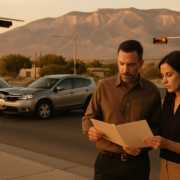
Rental car expenses after an Albuquerque crash near a Southwestern Albuquerque street

Can Albuquerque Crash Victims Recover Rental Car Expenses?

August 22, 2026

A crash can create transportation problems before anyone knows how long repairs will take. If your vehicle is in a body shop, awaiting an inspection, or declared a total loss, you may need to pay for a rental car, rideshare trips, taxis, public transportation, or help from family members. The practical question is whether those costs can become part of a claim.

For people searching rental car expenses after accident Albuquerque, the answer depends on several facts: who may be responsible, what insurance coverage applies, why the transportation was reasonably necessary, and how well the expense is documented. The Crecca Law Firm provides guidance on the claim process and the evidence that can help explain these losses.

This article discusses rental reimbursement coverage, possible loss-of-use damages under New Mexico principles, transportation records, repair and evaluation timelines, insurer communications, and common mistakes. It is general information, not a prediction about any particular Albuquerque crash claim.

When Can Rental Car Expenses After an Albuquerque Accident Be Recoverable?

Transportation costs are usually considered in the context of the broader property-damage or personal-injury claim. They are not automatically paid simply because a collision occurred. Generally, the expense must be reasonably connected to the crash, reasonably necessary, and supported by records.

First-party rental reimbursement coverage

Your own auto policy may include rental reimbursement coverage. This optional coverage can help pay for a rental vehicle after a covered collision, subject to policy limits, daily caps, deductibles, approved providers, and time restrictions. It may apply even when responsibility for the crash is still being investigated, but the exact terms depend on the policy.

Rental reimbursement is different from pursuing the at-fault driver’s insurer. A first-party insurer may pay under your own policy and later address responsibility with another carrier. Coverage questions can involve the policy language, whether the vehicle was actually disabled, and whether the rental period was reasonable.

Third-party loss of use

When another driver’s negligence may have caused the crash, New Mexico claims may include a request for reasonable loss-of-use damages. Loss of use refers to the value or cost associated with being unable to use a vehicle, even if no rental car was obtained. The available measure can depend on the circumstances, the vehicle’s condition, the repair process, and the evidence available.

In Albuquerque, NM, it helps to distinguish an insurer’s voluntary rental arrangement from the full scope of damages that may be legally available. An insurer’s offer to pay for a limited number of days does not necessarily answer every issue, but accepting or rejecting an arrangement can have practical consequences that should be evaluated carefully.

What Evidence Supports Transportation Costs in an Albuquerque Claim?

A transportation request is easier to evaluate when the records show the connection between the crash and each expense. Save information as it becomes available rather than trying to reconstruct it months later.

Useful records may include:

  • Rental agreements showing the vehicle type, dates, daily rate, taxes, fees, mileage, and fuel charges.
  • Itemized rideshare or taxi receipts showing the date, fare, pickup and destination information when available, and reason for the trip.
  • Public-transit receipts, parking charges, towing invoices, and other directly related transportation costs.
  • Repair estimates, inspection records, storage records, photographs, and messages showing when the vehicle became unavailable and when it was returned.
  • Proof of a total-loss evaluation, settlement communications, or replacement-vehicle search if the car was not economically repairable.
  • Emails, letters, claim notes, and call logs reflecting what an insurer approved, denied, promised, or asked you to provide.

The reason for each trip can matter. A ride to work, medical care, a repair facility, an insurance inspection, or necessary household activities may be evaluated differently from discretionary travel. This does not mean every ordinary trip is excluded. It means the claim should explain why substitute transportation was reasonable under the person’s circumstances.

A simple expense log can help. Record the date, amount, provider, purpose, payment method, and whether the trip replaced transportation that the damaged vehicle would ordinarily have supplied. Keep original digital receipts and back them up. Do not alter screenshots or discard invoices that seem small; repeated modest charges can become significant, while unsupported totals are harder to verify.

How Do Repair Delays, Insurer Communications, and Mistakes Affect Recovery?

The length of a transportation claim often turns on the vehicle timeline. A repair period may include more than the days a vehicle physically sits inside a shop. It can involve waiting for an inspection, obtaining parts, responding to hidden damage, determining whether the car is a total loss, or completing safety-related work. Still, the claimed period generally needs to be reasonable and tied to the evidence.

Track the timeline from the first day

Create a chronological record covering:

  1. The crash date and when the vehicle became unsafe or unavailable.
  2. Towing, storage, inspection, and repair-estimate dates.
  3. Contacts with the insurer, adjuster, repair shop, and rental company.
  4. Authorization dates, parts delays, supplemental estimates, and completion or total-loss decisions.
  5. The date you returned the rental vehicle or stopped using paid transportation.

Preserve communications in their original form when possible. If an adjuster says a rental is approved only through a certain date, keep that message. If a shop reports that additional damage extended the repair, request written confirmation. These records may help identify whether a delay was caused by repair conditions, an inspection issue, a coverage dispute, or another factor.

Avoid common documentation problems

People sometimes wait to request transportation records, use a rental class that is more expensive than reasonably necessary, or assume the insurer will automatically reimburse every charge. Others fail to document days when the vehicle was unavailable but no rental was used. A lack of receipts does not automatically eliminate a claim, but it can make valuation and causation more difficult.

When fault, coverage, or the reasonable duration of loss of use is disputed, an attorney can review the available evidence and explain possible options. In Albuquerque, NM, the analysis may also involve New Mexico rules concerning comparative fault, insurance claims, and recoverable damages. Those rules can vary by jurisdiction and may change over time, so current legal guidance matters.

Frequently Asked Questions

Does my own insurance have to pay for a rental car after a crash?

Not necessarily. Your policy may provide rental reimbursement coverage, but that coverage is usually optional and subject to stated limits and conditions. If another driver may be responsible, that driver’s insurer might address transportation costs as part of a third-party claim, although responsibility and the amount may be disputed. Reviewing the applicable policy and preserving written insurer communications can clarify what is being offered. Coverage and liability are separate questions under New Mexico law.

Can I claim rideshare costs if I did not rent a vehicle?

Possibly, depending on the facts and available proof. Rideshare, taxi, public-transit, and other reasonable substitute transportation expenses may be considered when the crash made your vehicle unavailable and the trips were connected to necessary activities. Keep itemized receipts and note each trip’s purpose. The total may be evaluated based on reasonableness, necessity, causation, and any applicable insurance coverage rather than on a simple automatic reimbursement rule.

What happens to transportation costs if my car is declared a total loss?

A total-loss decision can change the timeline because repairs may stop and the vehicle may not return to service. Transportation expenses may still be relevant while the vehicle’s value, ownership, and replacement process are being addressed, but the reasonable period is fact-specific. Save the total-loss evaluation, valuation communications, rental records, and receipts for other transportation. An attorney can help assess how those records fit with the broader claim.

Who pays rental car costs when fault for the Albuquerque crash is disputed?

There may be several possibilities, including your own rental reimbursement coverage, the other driver’s insurer, or payment initially made out of pocket while liability is investigated. No insurer is required to accept an unsupported amount, and responsibility may remain contested. Keep receipts and avoid assuming that an adjuster’s verbal statement resolves the claim. In Albuquerque, a lawyer may evaluate the evidence, applicable policies, and New Mexico liability principles before discussing possible next steps.

How The Crecca Law Firm Can Help

The Crecca Law Firm is dedicated to helping Albuquerque crash victims understand how substitute transportation expenses fit within a broader auto accident claim. The firm can review rental agreements, rideshare receipts, repair and inspection timelines, total-loss records, and insurer communications to help identify unanswered questions about necessity, duration, coverage, and responsibility.

Every claim has different facts. The firm is committed to fighting for clients’ rights while providing a candid evaluation of the available evidence and legal options. If you have paid transportation costs after a crash, contact The Crecca Law Firm for a free consultation or case evaluation.

The information in this article is for educational purposes only and does not constitute legal advice. Contact a qualified attorney licensed in Albuquerque, NM for advice specific to your situation.
https://thecreccalawfirm.com/wp-content/uploads/2026/08/rental-car-expenses-after-accident-albuquerque-886-featured-publisher.webp 1024 1536 publisher https://thecreccalawfirm.com/wp-content/uploads/2023/03/logo-300x87.png publisher2026-08-22 09:26:552026-08-22 09:26:55Can Albuquerque Crash Victims Recover Rental Car Expenses?
Albuquerque car accident claim against a friend discussed beside vehicles in a Southwestern neighborhood

Can You Claim Insurance After a Friend’s Albuquerque Crash?

August 22, 2026

A crash involving a friend or family member can create an uncomfortable choice: protect the relationship or seek help with medical bills, lost income, and other losses. If you are considering an Albuquerque car accident claim against a friend, remember that the claim is often directed toward available insurance coverage rather than treated as a personal attack on the driver. The same may be true when a relative or household member was driving.

In Albuquerque, injured passengers and other crash victims may need to deal with the driver’s insurer, their own policy, medical providers, and sometimes more than one potential source of coverage. Delaying the process because the driver is someone you care about can make documentation harder and may affect how the claim is evaluated. The Crecca Law Firm helps people understand these sensitive situations without losing sight of the personal relationship involved.

This article explains how insurance claims generally work when the driver is known to you, what passengers and household members should consider, which evidence can matter, and when a consultation may help clarify your options. New Mexico law and insurance policies can be fact-specific and may change, so local legal guidance is important.

How an Albuquerque Car Accident Claim Against a Friend Usually Works

A liability claim generally seeks payment from the at-fault driver’s auto insurance coverage, not from the driver’s personal bank account. Making a claim does not automatically mean filing a lawsuit against your friend or family member. In many cases, the insurer investigates the collision, reviews medical and financial documentation, and evaluates whether the policy may cover the losses.

Why the insurance company matters

The insurer may ask for a recorded statement, medical authorizations, photographs, bills, employment records, or other information. It may also assess fault, the severity of injuries, available limits, and whether policy exclusions or coverage disputes apply. An injured person is not required to frame the claim as a personal accusation simply because the driver made a mistake.

A claim can be presented in neutral terms: a collision occurred, the other driver may have caused it, and the injured person is seeking benefits available under the applicable coverage. The driver’s cooperation may still be relevant, but the claim is administered by the insurance company.

When the relationship feels especially complicated

A passenger may worry that a claim will cause a friend to lose insurance or face personal financial consequences. Those concerns are understandable, but an insurer’s handling of a claim depends on the policy, the facts, and New Mexico law—not only on the injured person’s relationship with the driver. An attorney can help explain the difference between communicating with a loved one and pursuing coverage from an insurer.

Coverage Questions for Passengers and Family Members in Albuquerque

The available insurance may depend on who was injured, who owned the vehicle, who lived in the household, and what policies were in effect. A passenger injured by a friend driver in Albuquerque may first look to the vehicle owner’s liability policy, but other coverage could also be relevant depending on the circumstances.

  • Was the driver listed on the vehicle’s policy or using the vehicle with permission?
  • Does the injured person have an auto policy that includes medical payments or uninsured/underinsured motorist coverage?
  • Was the injured person a resident relative or member of the driver’s household?
  • Are there policy exclusions, multiple vehicles, or additional policies that need review?
  • Did another driver, roadway condition, or vehicle defect contribute to the crash?

Household relationships can create additional policy issues. For example, a policy may define “insured,” “resident relative,” permissive use, or covered vehicles in ways that affect the analysis. A family member’s policy might not respond in the same way as a friend’s policy, and the answer cannot be determined from the relationship alone.

If the crash occurred in Albuquerque or elsewhere in Bernalillo County, records may include an investigating agency’s crash report, photographs, witness information, medical records, and insurance correspondence. An APD report, when applicable, can be useful evidence, but it is not necessarily the final word on fault or damages. New Mexico’s rules concerning fault, coverage, and compensation can be technical and may have changed since publication.

Protecting Your Rights Without Escalating a Personal Conflict

People often make avoidable mistakes because they want to preserve a friendship or family relationship. They may agree not to report the crash, pay expenses informally, give an insurer an incomplete statement, or discuss fault by text message. Those choices can create uncertainty about what happened and how serious the injuries are.

Generally, it is helpful to keep the relationship and the insurance process separate. Consider organizing the following information for an attorney or claims representative:

  1. The date, location, and basic circumstances of the crash.
  2. The names of drivers, passengers, witnesses, vehicle owners, and insurers.
  3. Photographs of the vehicles, roadway, and visible injuries, if available.
  4. Medical bills, appointment records, work-loss information, and other injury-related documents.
  5. Text messages, photographs, dashcam footage, or other records that may preserve what occurred.
  6. Copies of claim letters, settlement offers, recorded-statement requests, and policy information.

Avoid guessing about medical conditions or making a final statement about fault before the facts are reviewed. Do not sign a release or accept a settlement simply because the driver is a loved one; the document may affect claims or benefits that are not yet fully understood. Depending on the circumstances, an attorney may advise communicating through the insurer or counsel while keeping direct conversations with the friend or relative focused on personal support.

Timing also matters. New Mexico has deadlines that may apply to personal injury lawsuits and insurance-related claims, and the applicable period can depend on the parties and facts. A claim involving a government vehicle, for example, may involve different notice requirements. Because deadlines and procedures vary by jurisdiction, an Albuquerque attorney can help identify issues before they become difficult to correct.

Frequently Asked Questions

Can I make an insurance claim if the driver is my friend?

Generally, yes. An injured person may be able to pursue available liability coverage even when the driver is a friend. The claim is typically evaluated by the insurer rather than treated as a demand for personal payment from the friend. Coverage, fault, injuries, and policy terms still matter. A consultation can help explain how the process may work in your Albuquerque circumstances without assuming that filing a claim will damage the relationship.

What if a family member was driving the car I was riding in?

A passenger injured while riding with a family member may have a claim involving the vehicle’s liability policy or other potentially applicable coverage. Household-member definitions, policy exclusions, permission to use the vehicle, and the passenger’s own insurance can affect the analysis. The relationship alone does not answer whether coverage exists. New Mexico policy language and the specific crash facts should be reviewed before drawing conclusions.

Will the driver have to pay me personally after an injury claim?

Not necessarily. Many injury claims are presented to an applicable insurance company, subject to policy terms and limits. A lawsuit can involve the driver as a named party in some circumstances, but that does not mean the injured person is seeking to collect directly from the driver’s personal assets. The potential financial effect depends on coverage, the facts, the claim’s value, and any judgment or resolution.

Can I bring a claim if I was partly responsible for the crash?

Possibly. New Mexico generally uses a comparative-fault approach, meaning responsibility may be allocated among involved parties and may affect compensation. The precise effect depends on the evidence and the claims asserted. Statements, photographs, crash reports, witness accounts, and vehicle data may all matter. An Albuquerque attorney can evaluate how disputed responsibility could affect an injury claim under current New Mexico law.

How The Crecca Law Firm Can Help

The Crecca Law Firm understands that an Albuquerque car accident claim against a friend or relative can involve both physical and emotional stress. The firm is dedicated to listening carefully, explaining the role of insurance coverage, reviewing available evidence, and helping clients understand communications from insurers. Its team is committed to fighting for clients’ rights while recognizing that the potentially responsible driver may be someone the client knows and cares about.

The firm is ready to evaluate your situation and discuss potential next steps in a consultation. Contact The Crecca Law Firm for a free case evaluation and to explore your legal options.

The information in this article is for educational purposes only and does not constitute legal advice. Contact a qualified attorney licensed in Albuquerque, NM for advice specific to your situation.

https://thecreccalawfirm.com/wp-content/uploads/2026/08/can-you-claim-insurance-after-a-friends-albuquerque-crash-856-featured-publisher.webp 1024 1536 publisher https://thecreccalawfirm.com/wp-content/uploads/2023/03/logo-300x87.png publisher2026-08-22 08:13:182026-08-22 08:20:21Can You Claim Insurance After a Friend’s Albuquerque Crash?
Multiple injury claims against one Albuquerque auto policy after a multi-vehicle crash

Can One Albuquerque Auto Policy Cover Several Injury Claims?

August 21, 2026

A serious collision can affect more than one person: the driver of another vehicle, passengers, pedestrians, or occupants of several vehicles. When multiple people seek compensation from one driver’s liability policy, the available insurance may be smaller than the combined value of everyone’s injuries and losses. That is the central issue behind many multiple injury claims against one auto insurance policy in Albuquerque.

This situation does not automatically determine what any individual claim is worth. Instead, it means policy limits, evidence, damages, and the timing of settlement discussions may become especially important. The insurer may need to evaluate several claims against the same coverage, while each injured person may have different medical needs and legal issues.

The Crecca Law Firm helps Albuquerque injury victims understand the insurance picture and evaluate their options. This guide explains how shared policy limits work, why the first settlement offer may not reflect all available coverage or damages, what records can matter, and how additional insurance may affect a claim. Laws and insurance requirements can change, so New Mexico-specific advice requires review of the facts and current law.

How Multiple Injury Claims Against One Albuquerque Auto Policy Work

An auto liability policy generally has separate limits for bodily injury to one person and bodily injury to everyone injured in one accident. These limits are often expressed as two numbers, such as a per-person limit and a per-accident limit. The per-accident limit is the maximum the policy may pay for covered bodily injury claims from that collision, subject to the policy terms.

Why the total value of claims can exceed the policy

Suppose several people suffer injuries in the same crash. Their combined medical expenses, lost income, pain-related damages, and other legally recognized losses may exceed the policy’s per-accident limit. The policy does not necessarily expand because more people were injured. Instead, the available liability coverage may need to be considered among the competing claims.

The exact process can vary. An insurer may investigate fault, gather medical and wage information, assess liability, and communicate with multiple claimants. A proposed payment to one person may affect how much coverage remains for others. That is one reason an injured person may want to understand the overall insurance picture before accepting a release.

New Mexico insurance limits and policy language

New Mexico’s required minimum automobile liability coverage has traditionally been described as $25,000 per person and $50,000 per accident for bodily injury, along with a separate property-damage minimum. Requirements and policy terms may change, and some drivers carry higher limits. In Albuquerque, NM, the declarations page, endorsements, exclusions, and applicable policies—not just a verbal description of coverage—can affect the analysis.

The minimum policy is not a valuation of an injury. It is only a limit on the insurer’s obligation under that policy. A claim may be worth more than the available liability coverage, but collecting beyond the policy may depend on other coverage, assets, liability issues, and practical considerations.

Reviewing insurance coverage for multiple injured people after an Albuquerque crash
Several claims may require a careful review of available insurance coverage and damages records.

Finding Coverage Beyond the At-Fault Driver’s Policy

A policy-limits problem calls for a broader coverage review. The driver’s liability policy may be the first source considered, but it is not always the only possible source. Depending on the facts, an injured person may need to investigate insurance connected to the vehicle, an employer, another household vehicle, or the injured person’s own policy.

Potential coverage questions may include:

  • Was the driver operating a vehicle owned by someone else?
  • Was the driver working or performing a business-related task at the time of the crash?
  • Does the injured person have uninsured or underinsured motorist coverage that may apply?
  • Were multiple vehicles or drivers potentially involved in causing the collision?
  • Are there separate policies covering different vehicles or insured individuals?

Uninsured and underinsured motorist coverage can be particularly important when the at-fault driver’s limits are inadequate, although whether coverage applies depends on the policy, the facts, and New Mexico law. Notice requirements and claim procedures may also matter. A policy review should not assume that a separate source of coverage exists or that it will automatically pay a claim.

In Albuquerque, a crash report from the appropriate law-enforcement agency may help identify vehicles and drivers, but it is not a complete insurance investigation. Insurance information may appear in exchange records, claim correspondence, vehicle documents, or policy materials. An attorney may help identify questions to ask and documents to request without assuming that every potential coverage theory will succeed.

Protecting Damages Evidence When Claims Compete

When several injured people seek compensation from one policy, prompt documentation can help distinguish the nature and value of each claim. Medical records, bills, work records, photographs, witness information, and other evidence may help establish what happened and how the collision affected the injured person. Documentation is not a guarantee of compensation, but missing or inconsistent records can make an insurer’s evaluation more difficult.

<

Generally, injured people should consider preserving:

  1. Medical records and billing statements related to accident-related care.
  2. Information showing missed work, reduced hours, or other income effects.
  3. Photographs of vehicles, visible injuries, and relevant conditions, when available.
  4. Insurance letters, recorded-statement requests, claim numbers, and settlement documents.
  5. Names and contact information for witnesses and all involved drivers.
  6. A personal timeline of symptoms, appointments, limitations, and expenses.

Why a first offer may not show the full picture

An early offer may be based on preliminary records, an incomplete understanding of the injuries, or an assumption that the matter can be resolved quickly. It may also include a release that affects future claims under the same incident. A first offer is not necessarily improper, but it should be understood before it is accepted.

A release can be especially significant when treatment is ongoing or when other insurance may need to be evaluated. Depending on the circumstances, an attorney may review the offer, policy limits, damages evidence, and potential coverage before advising whether a proposed resolution is appropriate. People should also be cautious about making statements that minimize their injuries or accepting responsibility before the facts are fully developed.

Frequently Asked Questions

Does the first person to file a claim receive all the available insurance?

Not necessarily. Filing first does not automatically establish priority over other injured people. The insurer may investigate and evaluate multiple claims arising from the same collision, while the applicable policy and New Mexico law can affect how claims are handled. Because an early settlement may require a release, an injured person may benefit from understanding the number of claimants, available limits, and other possible coverage before resolving the claim.

Can I pursue the driver personally if the policy limit is too low?

A claim can potentially involve damages beyond available insurance, but collection beyond policy limits depends on facts such as liability, the defendant’s assets, applicable exemptions, and the cost and practicality of further legal action. It is not safe to assume that a personal judgment will be collectible. An attorney can evaluate the available information and explain possible options under New Mexico law.

What if I was a passenger in the vehicle that caused the crash?

A passenger may have a claim for covered injuries even when riding in the vehicle driven by the person whose conduct allegedly caused the collision. The analysis can involve the driver’s liability coverage, the passenger’s own uninsured or underinsured motorist coverage, and questions about fault or policy terms. The passenger’s relationship with the driver does not by itself answer which coverage applies.

Should I give the insurer a recorded statement after a multi-person crash?

An insurer may request a recorded statement as part of its investigation, but the request does not eliminate the importance of accuracy and context. Statements about symptoms, fault, treatment, or the sequence of events may later be compared with records and testimony. Depending on the circumstances, an attorney may help a claimant understand the request and prepare without exaggerating or minimizing what occurred.

How The Crecca Law Firm Can Help

The Crecca Law Firm is dedicated to helping injured people in Albuquerque understand the claims process when several people may be seeking compensation from the same policy. The firm can review available insurance information, discuss the importance of damages documentation, examine whether other coverage may be relevant, and help clients understand proposed settlement documents. Every claim depends on its own facts, policy language, evidence, and applicable New Mexico law.

If you or someone in your family was injured in a crash involving multiple claimants, contact The Crecca Law Firm for a free consultation or case evaluation. The team is ready to evaluate your situation and discuss your legal options without guaranteeing a particular outcome.

The information in this article is for educational purposes only and does not constitute legal advice. Contact a qualified attorney licensed in Albuquerque, NM for advice specific to your situation.

https://thecreccalawfirm.com/wp-content/uploads/2026/08/can-one-albuquerque-auto-policy-cover-several-injury-claims-788-featured-publisher.webp 1024 1536 publisher https://thecreccalawfirm.com/wp-content/uploads/2023/03/logo-300x87.png publisher2026-08-21 09:26:102026-08-21 09:30:28Can One Albuquerque Auto Policy Cover Several Injury Claims?
Health insurance lien review for an Albuquerque car accident settlement

Health Insurance Liens in Albuquerque Crash Settlements

August 21, 2026

A settlement offer can look substantial until medical bills, legal fees, case expenses, and repayment claims are accounted for. If health insurance paid accident-related treatment, the insurer may assert a reimbursement or subrogation claim. A hospital, physician, or medical funding company may also claim an interest in settlement proceeds. The amount discussed during negotiations is therefore not necessarily the amount a claimant ultimately receives.

For people searching how are health insurance liens resolved in Albuquerque car accident settlements, the essential issue is settlement allocation: identifying every repayment claim, confirming that it is legally valid and accurately calculated, and determining how it can be resolved before money is distributed. The Crecca Law Firm can help injured people understand the moving parts and evaluate their legal options. This article explains the difference between common claims, a practical verification checklist, and mistakes that can reduce the net recovery.

Why a Health Insurance Lien Can Reduce an Albuquerque Car Accident Settlement

A health insurance lien is often used as a general term for a claim seeking repayment from a settlement. The technical basis may instead be a reimbursement provision in an insurance contract, a subrogation right, a statutory recovery claim, or an agreement signed with a medical provider. These distinctions matter because the claimant’s obligations and the available defenses may differ.

Common repayment claims

Potential claims may come from:

  • A private health insurer seeking repayment under plan language or a subrogation provision.
  • Medicare or Medicaid, when a government program paid accident-related medical expenses.
  • A hospital, doctor, therapist, or other provider with a written lien or payment agreement.
  • A medical finance company or other entity that advanced funds for treatment.
  • A workers’ compensation carrier if the accident-related care also involved a compensable workplace injury.

A private insurer’s demand may include only accident-related payments, but that must be checked against explanation-of-benefits statements and medical records. A provider claim may also include disputed charges, unrelated treatment, or fees beyond what the settlement actually covers. In Albuquerque, NM, the settlement’s gross figure should be treated as one part of the analysis rather than the final recovery.

Organizing medical payment claims after an Albuquerque car accident
Tracking payment claims can clarify the difference between a gross settlement and net recovery.

How Are Health Insurance Liens Resolved in Albuquerque Car Accident Settlements?

Resolution usually involves investigation, written confirmation, negotiation, and documented payment or release. The process can begin before a settlement is reached, because unresolved claims may delay distribution or create a later dispute. In a lawsuit filed in New Mexico, including a matter involving the Second Judicial District Court in Bernalillo County, lien and reimbursement issues may also affect settlement paperwork and closing procedures. The exact process depends on the claimant’s coverage, contract language, benefits program, and case posture.

A practical checklist includes:

  1. Identify every payer. Review insurance cards, medical statements, explanation-of-benefits forms, provider communications, and correspondence received after treatment.
  2. Request a payment ledger. Ask each claimant for an itemized list of payments allegedly related to the crash, along with the plan provision, lien document, or other asserted legal basis.
  3. Compare the ledger with treatment records. Charges for unrelated conditions, dates outside the accident treatment period, duplicate payments, and services not caused by the collision may require review.
  4. Confirm the final amount. A preliminary demand may change after additional bills are processed. Request updated figures and a written expiration date, if one applies.
  5. Address reductions and costs. Depending on the claim and governing rules, arguments may involve attorney fees, litigation expenses, procurement costs, limited settlement funds, or equitable considerations.
  6. Obtain written resolution. Before distribution, seek a settlement statement, payment instructions, and a release or confirmation showing what remains owed.

Federal benefit programs and employer-sponsored plans can involve rules different from ordinary private insurance. A plan administrator’s documents may be more important than a standard state insurance card. Because laws vary by jurisdiction and may change, an attorney may need to review the specific plan and payment history.

Avoiding Mistakes When Managing a Car Accident Medical Lien in New Mexico

The biggest mistake is assuming that a lien notice is automatically correct—or automatically invalid. A notice may be incomplete, but ignoring it can create collection problems or complicate the closing of a claim. Claimants should preserve every letter, email, bill, explanation of benefits, and settlement document in one organized file.

Other common problems include:

  • Failing to disclose all medical payers. A later demand can arise after settlement if a payer was not identified early.
  • Paying a provider’s full bill without review. The billed amount, insurance-adjusted amount, and amount actually paid may be different.
  • Confusing a lien with a medical bill. A bill seeks payment for services; a lien or reimbursement claim may seek payment from settlement proceeds under a separate legal or contractual basis.
  • Accepting a demand without supporting records. The claimant may need an itemization and an explanation of why each charge relates to the crash.
  • Distributing funds before resolving claims. A written agreement about the final amount and payment process can help prevent later confusion.

To evaluate how to reduce medical liens in Albuquerque, an attorney may review the settlement’s limited funds, the relationship between the treatment and the collision, the governing documents, and the expenses incurred to obtain the recovery. No reduction is automatic. Negotiations should be based on the specific claim and available documentation rather than an assumed percentage.

A useful settlement worksheet can list each claimant, the original demand, verified accident-related payments, disputed items, negotiated amount, payment date, and proof of release. Updating it whenever a new statement arrives helps everyone see the difference between the gross settlement and the projected net distribution.

Frequently Asked Questions

Does a health insurer always have a right to money from an Albuquerque car accident settlement?

No. The answer depends on the source of coverage, plan or policy language, applicable law, and whether the payments relate to the accident. Some claims may be subject to defenses, limits, or negotiation. A demand by itself does not establish that every listed charge is valid. A licensed attorney can review the relevant documents and explain how New Mexico law and any applicable federal rules may affect the claim.

What records help challenge an inaccurate medical lien?

Useful records may include itemized provider bills, explanation-of-benefits statements, payment ledgers, medical records, treatment dates, insurance policy or plan documents, and correspondence about the demand. A settlement statement can also show the available recovery and related costs. Keeping the documents together makes it easier to identify duplicate charges, unrelated treatment, or amounts that do not match actual payments.

Can a provider lien be negotiated after a car accident settlement is reached?

Sometimes. Negotiation may depend on the provider agreement, the amount recovered, outstanding treatment expenses, insurance payments, and other repayment claims. A provider may agree to a different amount, but there is no guaranteed reduction. Any agreement should be documented in writing, including the amount to be paid, the deadline, and whether the provider releases further claims against the settlement.

What happens if a lien is discovered after settlement funds are distributed?

The consequences depend on the claim’s legal basis, the settlement documents, communications among the parties, and whether funds remain available. A payer may seek repayment or raise a contractual or statutory claim. Promptly gathering the demand, payment history, and closing statement can help an attorney assess the issue. Laws and procedures may vary in Albuquerque and elsewhere in New Mexico.

How The Crecca Law Firm Can Help

The Crecca Law Firm is dedicated to helping Albuquerque personal injury clients understand the financial side of a car accident claim, not just the headline settlement figure. The firm can help evaluate medical payment records, identify potential health insurance liens and provider claims, review reimbursement demands, and track the amounts used to calculate a projected net recovery. Depending on the circumstances, an attorney may also communicate with claimants and explore whether a resolution or reduction is available.

If you are dealing with a car accident settlement and want to understand what may remain after repayment claims and case expenses, contact The Crecca Law Firm for a free consultation or case evaluation. The firm is committed to fighting for your rights while helping you make informed decisions about your legal options.

The information in this article is for educational purposes only and does not constitute legal advice. Contact a qualified attorney licensed in Albuquerque, NM for advice specific to your situation.

https://thecreccalawfirm.com/wp-content/uploads/2026/08/health-insurance-liens-car-accident-settlement-albuquerque-758-featured-publisher.webp 1024 1536 publisher https://thecreccalawfirm.com/wp-content/uploads/2023/03/logo-300x87.png publisher2026-08-21 08:15:492026-08-21 08:21:52Health Insurance Liens in Albuquerque Crash Settlements
Borrowed car accident insurance Albuquerque coverage discussion beside vehicles

Who Handles Borrowed Car Accident Insurance in Albuquerque?

August 20, 2026

Borrowing a family member’s, friend’s, or roommate’s vehicle is common. But if a collision happens, the insurance questions can become more complicated than the crash itself. Borrowed car accident insurance in Albuquerque, NM may involve the vehicle owner’s policy, the driver’s personal policy, or more than one insurer.

A simple question—“Who pays after a borrowed car accident?”—does not always have a simple answer. Coverage can depend on whether the driver had permission, where the driver lived, how the vehicle was being used, and whether a policy contains an exclusion or limitation. The order in which insurers review coverage may also matter.

The Crecca Law Firm can help Albuquerque accident victims understand the insurance issues that may affect a claim. This article explains common coverage scenarios, the importance of policy language, and a practical checklist for gathering ownership and insurance information after a crash.

How Borrowed Car Accident Insurance in Albuquerque May Work

In many cases, the vehicle owner’s liability policy is the first policy examined after a permissive driver causes a collision. Liability coverage generally follows the insured vehicle, but the exact result depends on the policy and the facts. If the driver had permission and was using the car for an ordinary personal purpose, the owner’s insurer may evaluate the claim under the policy’s permissive-use provisions.

That does not mean coverage is automatic. Insurers may examine the scope of permission, the relationship between the owner and driver, and whether the vehicle was used for an excluded purpose. New Mexico insurance rules and policy terms govern the analysis, and laws can vary by location or change over time.

A basic borrowed-car scenario

Suppose a friend allows someone to use a car to run errands in Albuquerque. If that driver is involved in a crash, the owner’s policy may be relevant to claims for injuries or property damage. The driver’s own policy might also matter, particularly if the owner’s coverage is unavailable, insufficient, or subject to a restriction.

The facts can change the analysis. Driving without permission, using the vehicle for a commercial purpose, or allowing an excluded household member to drive may lead to a coverage dispute.

Collecting vehicle ownership and insurance information after a borrowed car accident
Ownership and policy information can help clarify which coverage may apply.

Permission, Household Rules, and Multiple Policies

Permission is often central to a permissive driver accident claim. Permission may be express, such as a direct request to borrow the car, or implied from the parties’ regular arrangement. However, permission to use a vehicle for one purpose does not necessarily resolve whether the driver had permission for every use.

Household relationships can create additional complications. An insurer may ask whether the driver lived with the owner, was a regular user of the vehicle, or should have been listed on the policy. Some policies contain household-member exclusions, named-driver exclusions, or provisions addressing residents who have access to the vehicle. The effect of a clause depends on the policy language and applicable New Mexico law.

Why the driver’s policy may also matter

The driver’s personal auto policy may provide coverage in certain circumstances, often subject to its own terms and limits. It may be considered as excess coverage, secondary coverage, or another potential source of payment, depending on the policies involved. “Secondary” does not necessarily mean that an insurer will immediately agree to pay.

Potentially relevant questions include:

  • Did the owner give the driver permission?
  • Was the driver a household member or regular user?
  • Was the driver specifically excluded from the policy?
  • Was the car being used for work, delivery, racing, or another restricted purpose?
  • What liability and uninsured or underinsured motorist limits apply?
  • Are there separate policies covering the vehicle, the driver, or an injured household member?

These issues may arise in an Albuquerque auto insurance coverage dispute. A policy declaration page, complete policy wording, endorsements, and written coverage position can be important when evaluating the available insurance.

What to Collect After a Crash in Someone Else’s Vehicle

After a car accident in someone else’s vehicle in New Mexico, people often focus on the police report and vehicle damage. Those records matter, but insurance and ownership information can be just as important. A careful information-gathering process may help clarify which policies should be notified.

Practical information checklist

Depending on the circumstances, consider gathering:

  1. The vehicle owner’s full name and contact information.
  2. The driver’s full name, address, and relationship to the owner.
  3. The vehicle’s make, model, year, license plate, and vehicle identification number if available.
  4. The insurance company, policy number, and declarations page for the borrowed vehicle.
  5. The driver’s own insurance information, if the driver has a separate policy.
  6. Any messages, emails, or other records showing permission to use the vehicle.
  7. The purpose of the trip and whether the vehicle was being used for work or business.
  8. The crash report, photographs, witness information, and insurer correspondence.

In Albuquerque, a crash may be documented through the Albuquerque Police Department or another responding law enforcement agency, depending on where it occurred. The report is one piece of evidence, not necessarily a complete determination of insurance coverage or legal responsibility.

Avoid guessing about coverage when speaking with an insurer. It may be useful to keep communications organized, preserve documents, and avoid discarding damaged property before its condition is documented. Depending on the circumstances, an attorney may review the policies and communications before advising on the next step.

Frequently Asked Questions

Does the owner’s insurance usually cover a friend who borrows the car?

The owner’s liability policy may apply when a friend had permission to use the vehicle, but coverage is not automatic. The insurer may review the purpose of the trip, whether the driver was a regular household user, and whether an exclusion applies. The policy’s wording and New Mexico law control the analysis. A separate policy held by the driver may also be relevant.

What if the driver lives in the same household as the vehicle owner?

A household member may be subject to policy requirements that do not apply to an occasional guest. The insurer may ask whether that person regularly drove the vehicle, was listed on the policy, or was excluded. Household-member provisions differ among policies, so the relationship alone does not answer the coverage question. Reviewing the complete policy may be important in an Albuquerque claim.

Can an insurer deny a claim because the driver exceeded permission?

An insurer may investigate whether the driver stayed within the permission granted by the owner. For example, permission for a short personal trip may raise different questions if the vehicle was instead used for a business activity or taken for an unauthorized purpose. Whether that circumstance permits a denial depends on the policy, the facts, and applicable New Mexico law.

Do policy limits affect a borrowed-car accident claim?

Yes. Even when coverage applies, the available liability limits may affect how much insurance is available for covered claims. Other potentially relevant coverage can include the injured person’s uninsured or underinsured motorist coverage, subject to its terms. Policy limits do not by themselves establish the value of a claim, and an attorney can explain how multiple policies may interact.

How The Crecca Law Firm Can Help

The Crecca Law Firm is dedicated to helping people evaluate the insurance and liability issues that can follow an Albuquerque car accident. The firm can review available ownership records, policy documents, permission evidence, crash information, and insurer communications to identify questions that may affect a claim.

When a borrowed vehicle is involved, the firm is committed to fighting for clients’ rights while recognizing that every coverage dispute depends on its own facts and policy language. If you are unsure which insurance policy may apply, contact The Crecca Law Firm for a free consultation or case evaluation.

The information in this article is for educational purposes only and does not constitute legal advice. Contact a qualified attorney licensed in Albuquerque, NM for advice specific to your situation.
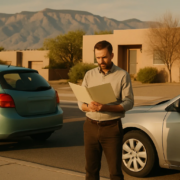
https://thecreccalawfirm.com/wp-content/uploads/2026/08/borrowed-car-accident-insurance-albuquerque-692-featured-publisher.webp 1024 1536 publisher https://thecreccalawfirm.com/wp-content/uploads/2023/03/logo-300x87.png publisher2026-08-20 09:28:382026-08-20 09:33:49Who Handles Borrowed Car Accident Insurance in Albuquerque?
Page 2 of 11‹1234›»

Recent Posts

  • Can Albuquerque Car Accident Police Report Errors Be Fixed?
  • When Do Albuquerque Crash Questions Need Clarification?
  • Which Rules Set an Albuquerque Crash Claim’s Cutoff?
  • How Do Alignment Reports Help With Albuquerque Value Loss?
  • What Does an Albuquerque Crash Medical Exam Cover?

Contact Us

ADDRESS

3200 Monte Vista Blvd NE,
Albuquerque, NM 87106

PHONE

505-766-9999

EMAIL

info@thecreccalawfirm.com

Contact Us


    Please prove you are human by selecting the cup.


    Popular Links

    • Home
    • About Us
    • Blog

    Practice Areas

    • Asbestos Cases
    • Nursing Home Negligence
    • Wrongful Death
    • Phone

      505-766-9999

    • Email

      info@thecreccalawfirm.com

    • Address

      3200 Monte Vista Blvd NE,
      Albuquerque, NM 87106

    The Crecca Law Firm is located in Albuquerque and represents clients and takes injury claim cases throughout the entire state of New Mexico.
    The information on this Law Firm website is for general information purposes only. Nothing on this or associated pages, documents, comments, answers, emails, or other communications should be taken as legal advice for any individual case or situation. This information on this website is not intended to create, and receipt or viewing of this information does not constitute, an attorney-client relationship.
    Copyright 2023 The Crecca Law Firm | All Rights Reserved |
    Legal Marketing Solutions by USAttorneys.com
    • Facebook
    • Areas Served
    • Sitemap
    Scroll to top