
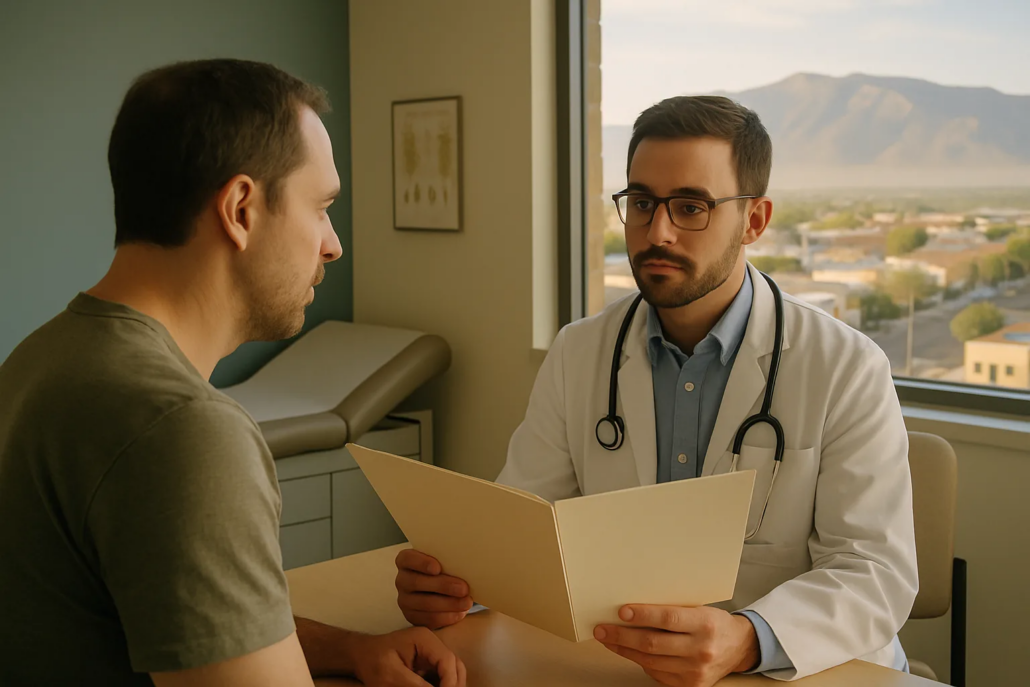
How Should You Prepare for an Albuquerque IME After a Crash?
A request for a medical examination after a collision can catch an injured driver off guard. The appointment may look like an ordinary doctor’s visit, but its purpose is different: an insurer may use the examiner’s observations and opinions when evaluating injury, causation, treatment, or claim value. For guidance about the claim as a whole, readers can speak with Albuquerque auto accident lawyers at The Crecca Law Firm.
An independent medical examination after a car accident in Albuquerque is not automatically proof that an insurer accepts or rejects the claim. It is one piece of the claim record. This article explains what the examination may involve, what appointment notices and forms can require, how to describe symptoms and medical history accurately, and why preserving records matters. New Mexico insurance and civil procedure rules may vary depending on the policy, the stage of the claim, and whether a lawsuit has been filed.
What Does an Independent Medical Examination After a Car Accident in Albuquerque Involve?
An insurer-requested examination is generally arranged to evaluate a claimed injury. Despite the word “independent,” the examination is usually requested or paid for by the insurer, rather than chosen as part of the claimant’s ongoing treatment. The examiner may review selected medical records, ask about the collision and symptoms, conduct a physical evaluation within the relevant specialty, and prepare a report.
For a closer discussion of what an Albuquerque crash medical examination may cover, consider the difference between a treating provider and an insurer’s examiner. A treating provider’s role is medical care. An insurer’s examiner may be asked to address questions such as whether the reported condition is consistent with the crash, whether additional care appears related, or whether another cause should be considered.
What may happen at the appointment?
The examiner may ask about:
- How the collision occurred and when symptoms began
- Pain, limitations, medications, and treatment received
- Prior injuries, medical conditions, and similar complaints
- Work, household, or daily activities affected by symptoms
The physical portion may include observation, range-of-motion testing, strength testing, or other assessments appropriate to the claimed condition. The scope should depend on the appointment notice and the issues being evaluated. An examination is not a substitute for emergency care or routine treatment.
How Should You Handle Notices, Medical History, and Records?
An appointment notice may identify the examiner, location, date, subject of the examination, and records or forms requested. Read the notice carefully and keep a copy. If the date, location, specialty, or requested information seems unclear, asking for clarification can help avoid an avoidable dispute about attendance or cooperation.
The paperwork deserves equal attention. Before signing, consider reviewing medical forms and authorizations after an Albuquerque crash. A broad authorization may seek information beyond the injuries or time period relevant to the claim. Whether a form is appropriate depends on the circumstances, and an attorney may help evaluate its scope before it is signed.
Be complete without guessing
A useful approach is to answer questions truthfully and in ordinary language. Do not exaggerate symptoms to make the claim appear more serious, but do not minimize them to appear tough or cooperative. If you do not remember an exact date or detail, it is generally better to say so than to guess.
Medical history can become important when an insurer disputes causation. Accurate disclosure of earlier injuries or conditions does not necessarily resolve whether the crash caused a new injury or worsened an existing one. Keeping the distinction clear may help explain baseline symptoms, changes after the collision, and the timing of treatment. Learn more about how a preexisting injury may affect an Albuquerque crash claim.
Symptoms do not always appear immediately, and their timing can be relevant. If pain, headaches, or other complaints developed later, describe when you first noticed them and how they changed. A consistent timeline supported by treatment notes and personal records is more useful than a polished or speculative account. Information about delayed pain and symptoms after an Albuquerque car crash may provide additional context.
What Are the Practical Consequences of an Insurer Medical Examination?
Attending an examination does not guarantee payment, approval of treatment, or agreement about the claim. Afterward, the insurer may compare the report with treating records, diagnostic findings, bills, employment information, and your account of the collision. The insurer might request clarification, seek additional records, question the relationship between treatment and the crash, or use the report in settlement discussions.
In an Albuquerque claim, disputed causation can affect more than a single appointment. It may influence whether the insurer recognizes ongoing treatment, challenges future care, or argues that some limitations existed before the collision. Opinions about evidence supporting future medical costs in Albuquerque can be relevant when continued care is part of the claim.
Preserve an examination and expense file
Keep copies of the following in one organized location:
- The appointment notice, examiner information, and confirmation of attendance
- Forms, authorizations, and correspondence exchanged with the insurer
- Treatment records, provider instructions, and appointment dates
- Bills, receipts, mileage information, and other out-of-pocket expenses
- A factual symptom and activity log, without altering prior entries
Organizing medical bills after an Albuquerque car accident can make it easier to identify missing records and explain expenses. Do not discard cancellation notices, rescheduling messages, or proof that you attended. If you cannot attend as scheduled, promptly review the notice and communicate through the appropriate channel rather than simply failing to appear.
An examination request can also contribute to reasons an Albuquerque car accident insurance claim may stall, especially when records are incomplete or causation remains disputed. A lawyer may review the request, help identify the issues being examined, and explain how the report could fit into the broader claim or lawsuit. In New Mexico, the applicable process may differ when a case is already in litigation, so the stage of the matter matters.
Frequently Asked Questions
Can I refuse an insurance medical exam after a car accident in Albuquerque?
Whether refusal is permitted and what consequences may follow depends on the insurance policy, the claim’s status, the requested examination, and whether litigation has begun. An insurer may treat an unexplained refusal or missed appointment as a cooperation issue, but a request does not automatically answer every legal question. Before declining, postponing, or signing related paperwork, consider obtaining advice based on the specific New Mexico claim.
Is an insurer’s medical examiner my treating doctor?
Usually, no. A treating provider focuses on evaluating and caring for the patient, while an insurer-requested examiner is typically asked to assess claimed injuries for the insurer’s review. The examiner may not provide ongoing treatment or make decisions for your regular medical team. The appointment’s notice and scope should help identify its purpose, and you can accurately explain that you are attending an evaluation rather than a routine treatment visit.
What if the examiner says my injury was not caused by the crash?
An examiner’s opinion is not necessarily the only evidence considered. Treating records, diagnostic information, symptom timing, prior medical history, witness information, and provider opinions may also bear on causation. Do not argue with or threaten the examiner. Preserve the report if it is provided, keep communicating with treating providers about medical concerns, and consider having a New Mexico attorney review how the opinion affects the claim.
Should I bring my medical records to the examination?
Follow the appointment notice and instructions rather than assuming which records are expected. You may want to bring or organize the requested documents, a medication list, appointment dates, and factual notes about symptom timing. Avoid creating a coached narrative or changing records. If the request is broad or confusing, an attorney may help determine what information is relevant and whether additional documentation should be provided.
How The Crecca Law Firm Can Help
The Crecca Law Firm is dedicated to helping Albuquerque injury claimants understand insurer requests and the records used to evaluate car accident injuries. The firm can review an examination notice, discuss medical-history and causation issues, help organize claim documents, and explain how an examination may affect negotiations or a filed case. Because every claim has different policy, medical, and procedural facts, the firm evaluates the available information rather than promising a particular result. Contact The Crecca Law Firm for a free consultation or case evaluation.
The information in this article is for educational purposes only and does not constitute legal advice. Contact a qualified attorney licensed in Albuquerque for advice specific to your situation.




Leave a Reply
Want to join the discussion?Feel free to contribute!