

The Crecca Law Firm
  • Home
  • About Us
  • Practice Areas
    • Asbestos Cases
    • Bad Faith Insurance
    • Bicycle Accidents
    • Brain and Head Injuries
    • Burn Injuries
    • Business Litigation
    • Car Accident
    • Medication & Drug Liability
    • Dog Bite
    • Drunk Driving Accidents
    • Motorcycle Accidents
    • Nursing Home Negligence
    • Pedestrian Injuries
    • Personal Injury
    • Slip & Fall Accidents
    • Trucking Accidents
    • Uninsured Motorist
    • Wrongful Death
  • Blog
  • News
  • Contact Us
  • (505) 766-9999
  • Menu Menu
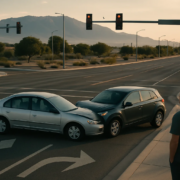
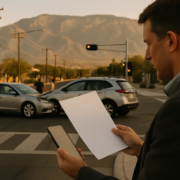
Albuquerque crash victim organizing proof of lost wages after a car accident

What Records Show Lost Wages After an Albuquerque Crash?

September 9, 2026

A crash can affect more than your vehicle and medical appointments. If you miss shifts, use paid time off, lose scheduled overtime, or cannot complete work for customers, the financial impact may continue after you leave the scene. For people researching lost wages after a car accident in Albuquerque, the central question is often: what records can show what you would have earned and what you actually lost?

The Crecca Law Firm helps injured people understand how wage-loss documentation may fit into a broader injury claim. This guide explains what to request from an employer, how to preserve schedules and pay records, how self-employed workers can document interrupted income, and how to explain the loss to an insurer. New Mexico claims can depend on the facts, available evidence, insurance coverage, and applicable law, so organized records are especially important.

What Records Prove Lost Wages After a Car Accident in Albuquerque?

A wage-loss claim generally needs evidence connecting the crash-related injury to a specific work interruption and a measurable amount of income. A medical note may help show that you were unable to work, but it usually does not establish your exact pay. Payroll and scheduling records help fill that gap.

Request employer verification

Ask whether your employer can provide a written statement confirming your position, regular rate of pay, usual hours, scheduled shifts, missed dates, reduced hours, and any overtime or commission structure. The statement should identify whether you missed work entirely or returned with restrictions. If your workplace uses electronic scheduling, preserve screenshots or obtain a copy through the appropriate workplace process.

Useful supporting records may include:

  • Pay stubs from several pay periods before and after the crash
  • Timecards, attendance records, and approved schedules
  • Employer records showing canceled shifts or reduced hours
  • Payroll summaries showing overtime, bonuses, or commissions
  • Documentation of paid time off used because of the injury
  • Medical work restrictions that identify dates or limits on work

In Albuquerque, NM, an insurer may compare your claimed loss with payroll history, tax records, and medical documentation. Keep copies of everything submitted and note the date each record was requested or received.

How Should Albuquerque Crash Victims Calculate and Explain Income Loss?

A clear calculation can make the claim easier to evaluate. Start with a dated timeline: the crash date, treatment visits, work restrictions, missed shifts, partial shifts, return-to-work date, and any later schedule changes. Then separate each category of loss rather than presenting one unsupported total.

For example, a calculation might distinguish regular hourly wages, missed overtime, commissions, tips, bonuses, and income from canceled assignments. If you used paid time off, identify the hours or days used and explain whether the leave was deducted because of the crash. Whether PTO counts as a recoverable loss can depend on the circumstances and the applicable New Mexico legal analysis; do not assume it is automatically included or excluded.

Account for irregular work and self-employment

Workers with changing schedules may use prior schedules, recurring shift patterns, timecards, contracts, and payroll history to show what work was reasonably expected. A single week may not represent a seasonal, on-call, or commission-based job. Evidence should explain the expected work, not merely the income that happened to be received after the crash.

Self-employed workers may need a different set of records, such as:

  1. Tax returns, profit-and-loss statements, and business ledgers.
  2. Invoices, contracts, appointment calendars, and canceled bookings.
  3. Customer communications showing postponed or uncompleted work.
  4. Bank records or accounting reports showing a change in business income.
  5. Evidence separating personal income from general business expenses or unrelated fluctuations.

Lost wages are one part of the broader accident damages framework that includes lost wages. Keeping wage loss separate from medical bills, future losses, and non-economic damages can make the overall claim easier to understand.

What Mistakes Can Weaken a Car Accident Lost Income Claim in New Mexico?

Documentation problems do not necessarily mean a claim lacks merit, but they can create questions about causation or the amount requested. Common issues include failing to ask for an employer statement, relying only on memory, overlooking partial missed shifts, or submitting a total that does not match payroll records.

Request records early and keep a simple wage-loss file containing:

  • A calendar of every missed, shortened, or rescheduled shift
  • Pay stubs and timecards from before and after the crash
  • Employer or supervisor verification
  • Work-status notes and restrictions from medical providers
  • PTO, vacation, sick-leave, or attendance records
  • A running calculation with the method and supporting documents

Incomplete information may help explain why an Albuquerque crash claim may stall over missing records. If an adjuster asks for a recorded statement, review your timeline and documents to organize before an Albuquerque recorded statement before discussing dates, restrictions, or income figures. Accuracy matters: avoid guessing, and distinguish what you personally know from what an employer or medical record confirms.

An insurer may question whether the injury caused the missed work, whether the schedule was definite, or whether reduced income resulted from another business issue. If the carrier makes an offer that does not account for records you submitted, review a settlement offer that overlooks documented wage loss. If wage loss is denied, additional employer statements, tax documents, calendars, invoices, or proof of canceled work may address the stated reason; an attorney can also evaluate evidence to gather when an insurer denies crash-related wage loss.

Frequently Asked Questions

Can I claim lost wages if I returned to work part time after an Albuquerque crash?

Possibly, depending on the evidence and applicable New Mexico law. A partial claim may involve the difference between your usual earnings and what you earned while working reduced hours. Employer records, medical work restrictions, schedules, and pay stubs can help show the change. The calculation may also need to address whether reduced hours were caused by the crash-related injury rather than another reason.

What if my employer will not provide a wage verification letter?

Ask what payroll, human-resources, or attendance records the employer can provide instead. Pay stubs, timecards, schedules, tax forms, and approved leave records may help establish the loss. Keep a written record of your requests. Depending on the circumstances, an attorney may discuss other ways to authenticate employment and income records without asking you to create unsupported estimates.

Can tipped workers include lost tips in a crash claim?

Potentially, but tips can require careful proof because income may vary. Tip reports, payroll records, tax filings, point-of-sale records, schedules, and prior earnings may help establish a reasonable pattern. A claim should account for documented income rather than assume every scheduled shift would have produced the same amount. New Mexico legal analysis can depend on the available evidence and specific facts.

What information should I give an insurer about missed work?

Provide an accurate timeline and identify the records supporting each period of absence or reduced work. Be prepared to explain your job duties, scheduled hours, restrictions, PTO used, and actual payments received. Avoid speculation or minimizing uncertainty. Before giving a recorded statement or signing a release, consider obtaining guidance about the scope of the request and the information relevant to your claim.

How The Crecca Law Firm Can Help

The Crecca Law Firm is dedicated to helping Albuquerque, NM, crash victims organize the evidence behind an injury claim. The firm may review employer records, pay information, schedules, medical work restrictions, PTO use, commission history, or self-employment documents to identify questions about the claimed loss. It can also help explain how wage loss fits with other damages and communicate with an insurer when documentation is disputed.

Every claim is different, and no attorney can promise a particular result. If you are trying to document lost wages after a car accident, contact The Crecca Law Firm for a free consultation or case evaluation. The team is ready to evaluate your situation and discuss your legal options.

The information in this article is for educational purposes only and does not constitute legal advice. Contact a qualified attorney licensed in Albuquerque, NM for advice specific to your situation.
https://thecreccalawfirm.com/wp-content/uploads/2026/09/what-records-show-lost-wages-after-an-albuquerque-crash-2602-featured-publisher.webp 1024 1536 publisher https://thecreccalawfirm.com/wp-content/uploads/2023/03/logo-300x87.png publisher2026-09-09 09:58:212026-09-09 10:08:09What Records Show Lost Wages After an Albuquerque Crash?
Intersection accident lawyer Albuquerque reviewing fault at a signalized crash scene

Could an Albuquerque Crash Lawyer Assess Civil Fault?

September 9, 2026

An intersection collision can appear obvious at first: one vehicle is turned across another driver’s path, a rear bumper is damaged, or someone says the traffic light was red. But fault in an Albuquerque intersection crash may depend on details that are easy to miss, including the signal phase, each vehicle’s lane position, visibility, speed, and when a driver entered the intersection.

An apparent traffic citation is not necessarily the final word on civil responsibility. Insurance adjusters, attorneys, and fact-finders may compare photographs, witness accounts, dashcam footage, vehicle damage, police reports, and medical documentation. Readers looking for Albuquerque auto accident lawyers may want a professional evaluation when those sources conflict, particularly if an injury claim is involved. The Crecca Law Firm can help explain how the available evidence may fit together.

This guide describes where fault often turns in signalized intersections, left-turn crashes, rear-end impacts, lane changes, and confusing traffic patterns. It also explains why preserving the scene and keeping organized records can matter.

Where Does Fault Turn in an Albuquerque Intersection Accident?

The central question is often not simply who received a ticket. It is what each driver could see, what each driver did, and whether physical evidence supports the account. In Albuquerque, NM, a collision may involve several overlapping issues: a driver entering on a stale yellow, a left-turning vehicle misjudging an approaching car, or a through driver traveling too fast to stop safely.

Signal phases and right-of-way questions

A green light does not automatically resolve every dispute. Drivers may still need to yield while turning, remain in the proper lane, and proceed with reasonable caution. A driver who enters legally may also face questions about speed, visibility, or whether another vehicle was already occupying the intersection.

Signal timing can be especially important when drivers give different accounts. A witness may remember one light, while a dashcam recording shows the sequence from another angle. Nearby construction, sun glare, obstructed signal heads, or unusual lane markings may also affect what a driver could reasonably observe. These facts can shape an Albuquerque traffic light accident claim without proving any conclusion by themselves.

Common intersection collision patterns

Fault analysis may differ depending on the impact:

  • In a left-turn collision, investigators may examine the turn arrow, the opposing vehicle’s approach, the turning path, and whether either driver entered late.
  • In a rear-end impact, following distance is relevant, but so are sudden lane changes, stopped traffic, mechanical problems, and the position of the vehicles before contact.
  • In a lane-change crash, the evidence may focus on blind spots, turn signals, lane markings, and whether the vehicle was fully established in the lane.

These patterns show why an intersection accident lawyer in Albuquerque may focus on timing and physical evidence rather than relying on a single statement.

What Intersection Crash Evidence Can Show About Fault

The scene can change quickly. Vehicles are moved, debris is cleared, traffic resumes, and nearby video may not remain available indefinitely. When it is safe and lawful to do so, photographs and notes can preserve context that a later inspection may not show. A detailed resource on preserving Albuquerque intersection crash evidence discusses this process in greater depth.

Useful scene information may include:

  • The approach lanes, stop lines, turn pockets, crosswalks, and signal heads.
  • Vehicle resting positions, debris fields, skid marks, tire marks, and visible damage.
  • Sight obstructions such as trees, construction equipment, parked vehicles, or bright sunlight.
  • Nearby businesses, residences, or traffic cameras that may have captured the approach.
  • Contact information for independent witnesses and a brief description of what each person observed.

Dashcam footage and witness accounts

Dashcam footage can help show signal color, vehicle movement, relative speed, and the moments immediately before impact. Its value may depend on the camera’s angle, whether the timestamp is reliable, and whether the recording includes enough surrounding context. A short clip may not answer every question, but it can test an important part of a driver’s account.

Witnesses can add perspective, especially when they were positioned to see the signal or the approach lanes. However, memories may differ after a sudden event. A witness statement is generally stronger when it identifies what the person actually saw rather than repeating what someone else said after the crash.

Vehicle positions and damage patterns

Photographs, repair estimates, tow records, paint transfer, and impact points may help compare competing accounts. For example, damage concentrated at a corner may be consistent with an angled contact, while damage across a rear bumper may support a different sequence. These observations are not a substitute for a qualified investigation, and damage alone may not establish legal fault.

Organized records can make this evidence easier to evaluate. Information about reviewing Albuquerque vehicle damage records may help readers understand how property-damage documentation fits into a broader injury claim.

Why a Citation or Police Report May Not Settle Fault

A responding officer may document statements, road conditions, visible damage, and a citation. That report can be important, but the officer may have arrived after the vehicles moved, the signal cycle changed, or witnesses left. The report may also record each driver’s account without resolving which version is accurate.

A citation addresses an alleged traffic violation. Civil fault in an injury or property-damage claim may involve additional questions, including causation, comparative responsibility, and the extent of the claimed harm. In New Mexico, fault may be allocated among parties based on the evidence; the applicable rules can vary by situation and may change over time. A reader reviewing an Albuquerque police report that may contain errors can compare it with photographs, independent witnesses, dashcam footage, signal-phase evidence, and vehicle damage.

When more than one driver may share fault

Intersection crashes do not always fit a simple all-or-nothing explanation. A turning driver may misjudge a gap, while an approaching driver may be traveling too quickly or fail to react. A driver changing lanes may overlook a vehicle in a blind area, while the other vehicle may also have contributed through speed or position.

The potential for shared responsibility is why New Mexico comparative fault after an Albuquerque crash can be relevant. Any percentage depends on the facts and evidence of the particular case. Readers should avoid assuming that a traffic ticket, an insurance company’s initial position, or one driver’s confidence automatically determines the final civil analysis.

Medical documentation adds a separate layer

Physical evidence may explain how a collision happened, while medical records help document what injuries were reported, evaluated, and treated afterward. Emergency records, follow-up visits, diagnostic testing, prescriptions, bills, and communications with health insurers may all provide useful context.

Symptoms do not always appear immediately, and a person may describe the timing differently as the situation develops. Information about delayed pain after an Albuquerque car crash explains why later symptoms should be documented accurately rather than assumed to be unrelated. Keeping records about medical bills after an Albuquerque car accident can also help organize the financial side of an injury claim.

Frequently Asked Questions

Does a red-light citation prove civil fault in Albuquerque?

Not necessarily. A citation may be relevant evidence, but it does not always establish every issue in a civil claim. The analysis may also consider signal timing, vehicle positions, witness accounts, video, road conditions, speed, and whether another driver contributed. In Albuquerque, NM, the effect of a citation can depend on the facts, the applicable New Mexico rules, and how the evidence is presented.

What if no witness saw the Albuquerque intersection crash?

A claim may still be evaluated without an independent witness. Photographs, dashcam recordings, traffic or business video, vehicle damage, debris, skid marks, repair records, and the parties’ statements may provide useful information. The absence of a witness can make some disputes more difficult, but it does not automatically determine fault. Evidence should be considered as a whole rather than relying on one missing source.

Can a confusing intersection affect a traffic accident claim?

It can be relevant. Unusual lane markings, blocked visibility, construction, signal placement, or an unclear turn arrangement may help explain why drivers acted differently. These conditions do not automatically excuse a traffic violation or establish liability. They are facts that may be compared with the drivers’ speed, attention, positioning, and ability to see other vehicles under the circumstances.

Should medical records be kept if symptoms develop later?

Generally, keeping records of later symptoms, medical visits, testing, prescriptions, bills, and communications can help document the timeline. Descriptions should be accurate and should not exaggerate or minimize what occurred. Medical documentation does not by itself prove how a collision happened, but it may help evaluate the injury and causation portions of a claim. Laws and claim procedures vary by location and circumstances.

How The Crecca Law Firm Can Help

The Crecca Law Firm is dedicated to helping Albuquerque, NM, drivers and passengers understand the evidence involved in disputed intersection collisions. The firm can review available photographs, signal and lane information, witness accounts, dashcam footage, police reports, vehicle damage records, and medical documentation to help evaluate the situation.

Because no two crashes are identical, the firm is committed to fighting for clients’ rights while explaining potential issues in clear terms. If you have questions about an intersection collision, contact The Crecca Law Firm for a free consultation or case evaluation. An attorney can discuss your circumstances and help you explore your legal options.

The information in this article is for educational purposes only and does not constitute legal advice. Contact a qualified attorney licensed in Albuquerque, NM for advice specific to your situation.
https://thecreccalawfirm.com/wp-content/uploads/2026/09/could-an-albuquerque-crash-lawyer-assess-civil-fault-2564-featured-publisher.webp 1024 1536 publisher https://thecreccalawfirm.com/wp-content/uploads/2023/03/logo-300x87.png publisher2026-09-09 08:10:352026-09-09 08:10:35Could an Albuquerque Crash Lawyer Assess Civil Fault?
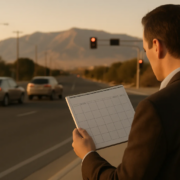
Albuquerque car accident police report errors reviewed near a New Mexico intersection

Can Albuquerque Car Accident Police Report Errors Be Fixed?

September 4, 2026

A police report can influence how an insurer initially views a collision, especially when the report includes a statement about who caused the crash. But what happens when the report leaves out important facts, misstates the road layout, or describes your actions inaccurately? Albuquerque car accident police report errors deserve careful attention because an incomplete account can affect claim discussions even though the report is not necessarily the final determination of fault. For a focused overview, see what to do about an Albuquerque car accident police report error. For additional context on this issue, see Auto Accident Lawyers in Albuquerque Who Fight Back.

The Crecca Law Firm helps injured people understand practical issues that can arise during the personal injury claims process. This guide explains how to review a report, identify factual problems, gather photographs and witness information, ask the investigating agency about supplemental statements, and share corrections with insurance companies without adding speculation. The appropriate approach depends on the facts, the agency involved, and the status of the claim.

How to Identify Albuquerque Car Accident Police Report Errors

Before asking anyone to change a report, read the complete document carefully and separate verifiable facts from disagreements about conclusions. Depending on the investigating agency, an Albuquerque crash report may contain basic information about the location, vehicles, drivers, roadway conditions, statements, citations, and the officer’s observations. A mistake in any of these areas may deserve clarification.

Look for factual mistakes and omissions

Check whether the report accurately states:

  • The date, time, and precise location of the collision
  • The direction of travel, lane positions, traffic signals, or stop signs
  • Vehicle damage, points of impact, and apparent vehicle movement
  • Weather, lighting, road conditions, and visibility
  • Your statement and the names or contact details of witnesses
  • Whether photographs, video, injuries, or other evidence were documented

A factual error is different from an unfavorable interpretation. For example, a report may correctly record that a driver received a citation while still omitting photographs that raise questions about lane position. Avoid changing or annotating an original copy. Instead, keep it intact and prepare a separate list identifying each disputed fact, why it appears inaccurate, and what evidence supports your account.

In Albuquerque, NM, the investigating agency could be the Albuquerque Police Department, Bernalillo County Sheriff’s Office, or New Mexico State Police, depending on where and how the crash occurred. The agency’s records or traffic unit can explain available procedures, but a request for information is not a guarantee that an officer will revise an opinion.

What Evidence Can Clarify an Albuquerque Crash Report Dispute?

A correction request is more persuasive when it points to objective information rather than simply stating that the report is unfair. Preserve the original files and record when and how each item was obtained. Useful material may include the strongest evidence after a car accident claim, such as:

  1. Scene photographs showing vehicle positions, damage, signs, signals, debris, skid marks, and sight lines
  2. Dashcam or nearby surveillance footage, preserved in its original format when possible
  3. Names and contact information for people who saw the collision or its immediate aftermath
  4. Medical records and bills documenting reported injuries and care, without altering the records
  5. Repair estimates, photographs of damage, towing records, and vehicle inspection information
  6. Dated notes describing what you remember, what you told the officer, and when you noticed the error

Intersection crashes often involve disputed signal timing, right of way, visibility, or lane position. If the collision occurred at an Albuquerque intersection, consider preserving evidence from an Albuquerque intersection crash promptly because camera footage, vehicle locations, and roadway conditions may change or disappear.

Do not create a reconstruction that presents guesses as facts. A photograph may show where a vehicle came to rest, but it may not establish its speed or the precise moment a signal changed. Keep a clear distinction between what you personally observed, what another witness reported, and what you infer from later review.

How Should You Address the Report With the Agency and Insurer?

The investigating agency and an insurance company serve different roles. An agency may maintain the report and decide whether a supplemental statement, addendum, or other clarification is available under its procedures. An insurer evaluates coverage, liability, and damages for claim purposes. Neither process automatically controls a later civil claim or court proceeding in New Mexico.

Depending on the circumstances, a person reviewing an inaccurate report may consider these general steps:

  • Ask the agency’s records or traffic unit whether it accepts supplemental information and what format it requires.
  • Provide a concise, factual explanation tied to specific report language and attached evidence.
  • Keep copies of the request, attachments, delivery confirmation, and any response.
  • Tell the insurer that you dispute particular facts, then identify the supporting evidence without exaggerating.
  • Review documents before giving a recorded statement; preparing for an Albuquerque recorded insurance statement may help you communicate accurately and consistently.

If an insurer asks, “Were you at fault?” a careful response does not require guessing or adopting a conclusion you do not understand. You can distinguish between what happened and what the report says happened. Avoid insults, absolute statements unsupported by evidence, or social-media posts that speculate about liability.

If the report says you were at fault

A notation that you were at fault is important, but it may not resolve every issue. New Mexico generally uses comparative-fault principles, meaning responsibility may be evaluated among the people or entities involved rather than determined solely by one sentence in a report. Read more about how New Mexico comparative fault may affect an Albuquerque crash.

If the insurer relies heavily on an inaccurate report, compare its explanation with your photographs, witness information, medical documentation, repair records, and other evidence. If the claim is denied or valued adversely, evidence to gather after an Albuquerque crash claim denial may help you organize the factual disagreement for further review.

Frequently Asked Questions

Can an officer change an Albuquerque car accident police report?

Possibly, but procedures vary by investigating agency and by the type of correction requested. Some agencies may accept a supplemental statement or addendum rather than rewrite the original report. A driver can ask the appropriate records or traffic unit what process is available and preserve proof of the request. A supplemental submission may become part of the file without changing the officer’s original observations or conclusions.

What if a witness was not included in the crash report?

A missing witness does not necessarily make the person’s account unusable. Preserve the witness’s name and contact information, along with a note about what the person observed. Avoid coaching the witness or asking for a particular conclusion. Depending on the claim, the information may be provided to the insurer, investigating agency, or attorney for evaluation. The weight of the account can depend on the witness’s vantage point, consistency, and other evidence.

Should I send the entire police report to the insurance company?

The answer may depend on the insurer’s request, the report’s contents, and the broader claim strategy. Generally, it is useful to review the report and related evidence before responding, particularly if the report contains statements or conclusions you dispute. Communicate factual corrections precisely and keep a copy of everything submitted. An attorney can explain potential communication considerations based on the circumstances of a New Mexico claim.

When might legal review of a disputed report be useful?

Legal review may be helpful when injuries are significant, liability is contested, multiple drivers are involved, evidence may be lost, or an insurer is relying on a questionable report to deny or reduce a claim. A lawyer can evaluate the report alongside photographs, witness accounts, medical records, vehicle damage, and policy communications. That review does not guarantee a particular result, but it may help clarify available options.

How The Crecca Law Firm Can Help

The Crecca Law Firm is dedicated to helping injured Albuquerque, NM, drivers understand how a disputed crash report fits into the larger claims process. The firm can review the report and available evidence, help identify factual inconsistencies or omissions, and discuss ways to present information clearly to an insurer or other involved parties. When appropriate, the team is committed to fighting for clients’ rights while recognizing that every case depends on its facts and applicable New Mexico law.

If you are dealing with Albuquerque car accident police report errors, contact The Crecca Law Firm for a free consultation or case evaluation. A conversation can help you explore your legal options and determine what information may be important to preserve.

The information in this article is for educational purposes only and does not constitute legal advice. Contact a qualified attorney licensed in Albuquerque, NM for advice specific to your situation.
https://thecreccalawfirm.com/wp-content/uploads/2026/09/albuquerque-car-accident-police-report-errors-2102-featured-publisher.webp 1024 1536 publisher https://thecreccalawfirm.com/wp-content/uploads/2023/03/logo-300x87.png publisher2026-09-04 08:14:302026-09-04 08:20:15Can Albuquerque Car Accident Police Report Errors Be Fixed?
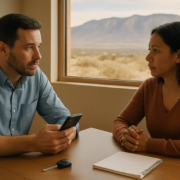
Recorded statement after a car accident in Albuquerque during an insurance discussion

When Do Albuquerque Crash Questions Need Clarification?

September 2, 2026

After a collision, the other driver’s insurance adjuster may call before you have finished medical appointments, reviewed the crash report, or understood how your injuries are developing. If you are searching for a recorded statement after a car accident in Albuquerque, it is important to understand what the request is—and what it is not—before answering questions.

A recorded statement is an interview preserved in audio or written form for use in an insurance investigation. The adjuster may be trying to gather basic facts, evaluate coverage, and compare your account with the police report, vehicle damage, medical records, and the other driver’s version of events. A statement can provide useful information, but unclear wording, guesses, or incomplete answers may later create disputes.

The Crecca Law Firm helps Albuquerque injury victims understand the claims process and the difference between cooperating with their own insurance carrier and communicating with an opposing insurer. This article explains the purpose of a recorded statement, the subjects an adjuster may raise, how to prepare accurate factual information, and when a question may need clarification.

Why Is an Insurer Requesting a Recorded Statement After a Car Accident in Albuquerque?

The other driver’s insurer is usually investigating a potential claim against its policyholder. An adjuster may want your account while the collision is still being evaluated. That does not necessarily mean the insurer has decided who was responsible or how much a claim may be worth.

In Albuquerque, NM, an adjuster may compare your statement with an Albuquerque Police Department crash report, photographs, vehicle damage, witness information, and available medical documentation. The insurer may also be checking whether its policy applies, whether other vehicles or drivers were involved, and whether the reported injuries are consistent with the collision.

What the adjuster may ask

Questions can include:

  • Where and when did the crash occur?
  • Which direction were the vehicles traveling?
  • What did you see, hear, or do immediately before impact?
  • What parts of the vehicles were damaged?
  • Did anyone report an injury at the scene?
  • What medical care have you received since the collision?
  • Were there earlier injuries or symptoms affecting the same body area?

These questions may sound routine, but they can involve issues of fault, causation, damages, and credibility. An adjuster may also ask for your version of events in a way that assumes a fact you do not know. You can distinguish what you personally observed from what another person told you.

A request is not the same as a court order

Generally speaking, a third-party insurer does not have the same contractual relationship with you that it has with its insured. A request for a recorded statement is not automatically a subpoena or a court order. However, insurance policies can contain cooperation provisions, and your own policy may impose duties that differ from the other driver’s policy. The consequences of not cooperating with your own carrier can depend on the policy and circumstances.

How Should You Prepare for an Insurance Recorded Statement?

Preparation should focus on accuracy, not on developing a persuasive script. Before speaking with an Albuquerque accident insurance adjuster, many people find it useful to gather documents and organize what they actually remember. Depending on the circumstances, an attorney may help identify topics that require care without telling you to alter or withhold truthful facts.

Consider reviewing:

  1. The date, approximate time, and location of the collision.
  2. Your direction of travel, traffic controls, lane position, and weather or lighting conditions.
  3. Photographs, videos, witness contact information, and the crash report, if available.
  4. Medical visits, symptoms reported to providers, and work or daily activities affected after the crash.
  5. Insurance information for your vehicle and any correspondence from an insurer.

Do not guess at speed, distance, timing, or medical conclusions. It is acceptable to say that you do not remember, do not know, or need clarification. If you later learn that an answer was incomplete, promptly noting the correction may be preferable to allowing an avoidable misunderstanding to remain unaddressed.

Clarify the scope before recording begins

You may ask who is calling, which insurer they represent, whether the call concerns the other driver’s policy, and which topics the adjuster wants to cover. You can also ask whether the interview is being recorded and request that unclear or compound questions be restated. A question about prior medical history, other accidents, or current treatment may require context rather than a quick yes-or-no response.

The adjuster may ask you to describe your injuries, but an adjuster is not a medical provider. Avoid diagnosing yourself or adopting a medical conclusion simply because a question suggests it. Your providers’ records and opinions generally address medical issues more reliably than a claimant’s speculation.

What Mistakes Can Affect a Recorded Statement Claim Investigation?

A recorded statement may become one item in a broader claim file. It is not necessarily the only evidence, but inconsistencies can invite additional questions. The risk is often less about using a particular word and more about answering beyond what you know or failing to distinguish facts from assumptions.

Common problems include:

  • Agreeing with a question that contains an inaccurate premise.
  • Minimizing pain or limitations because symptoms changed over time.
  • Saying that you are “fine” in a brief social exchange and later overlooking the statement.
  • Guessing about the other driver’s speed, phone use, intentions, or visibility.
  • Describing a diagnosis before a qualified provider has made one.
  • Confusing the other driver’s insurer with your own insurance company.
  • Discussing settlement value before the injury and claim information is complete.

If the statement concerns a claim against the other driver, the adjuster may be evaluating the policyholder’s potential liability and your claimed losses. Your own carrier may instead be handling first-party benefits or coverage questions under your policy, such as uninsured or underinsured motorist issues, depending on the facts and policy language. Those are separate relationships, even when the same collision is involved.

For a crash that may lead to litigation in Albuquerque, records and communications can later be reviewed in a civil case filed in the Second Judicial District Court serving Bernalillo County. That possibility does not mean every claim will become a lawsuit. It does mean that careful, truthful communication can matter beyond the initial phone call, while New Mexico procedures and insurance requirements may vary by situation and can change over time.

Frequently Asked Questions

Do I have to give the other driver’s insurer a recorded statement?

Generally, an injured claimant is not automatically required to give the at-fault driver’s insurer a recorded statement merely because an adjuster requests one. Your own policy may contain different cooperation terms, however. The answer can depend on coverage, the claim’s posture, and whether formal legal process is involved. An attorney licensed in New Mexico can review the request and applicable policy language with you.

Can I provide a written statement instead of a recorded one?

You may ask whether the insurer will accept a written account, but the adjuster is not necessarily required to agree. A written statement can still become part of the claim file and should be accurate, limited to facts you know, and carefully reviewed. Depending on the circumstances, an attorney may discuss the advantages and risks of different forms of communication before you respond.

What if I already gave a recorded statement after my Albuquerque crash?

Do not assume that one uncertain answer determines the entire claim. Preserve any emails or letters about the call and write down what you recall about the questions and answers while the conversation is fresh. If you later recognize an error, an attorney may help evaluate whether and how to clarify it. Other evidence, including reports and medical records, may also provide important context.

Can an adjuster ask about my prior accidents or injuries?

An adjuster may ask about prior accidents, symptoms, or treatment when evaluating causation and damages. That does not establish that an earlier condition caused your current complaints. Answering accurately may require explaining dates, body areas, treatment, and how your condition changed, without guessing about medical cause. New Mexico-specific guidance is best obtained from a qualified attorney familiar with the facts.

How The Crecca Law Firm Can Help

The Crecca Law Firm is dedicated to helping Albuquerque car accident victims understand insurance communications and make informed decisions during the claims process. The firm is committed to fighting for clients’ rights while examining available evidence, coverage issues, reported injuries, and communications with each insurer.

If an adjuster has requested a recorded statement, the team is ready to evaluate your situation and explain potential next steps based on the facts. Contact The Crecca Law Firm for a free consultation or case evaluation.

The information in this article is for educational purposes only and does not constitute legal advice. Contact a qualified attorney licensed in Albuquerque, NM for advice specific to your situation.

https://thecreccalawfirm.com/wp-content/uploads/2026/09/albuquerque-crash-questions-need-clarification-1758-featured-publisher.webp 1024 1536 publisher https://thecreccalawfirm.com/wp-content/uploads/2023/03/logo-300x87.png publisher2026-09-02 09:23:252026-09-02 09:30:22When Do Albuquerque Crash Questions Need Clarification?
Albuquerque car accident claim deadline timeline near a New Mexico roadway

Which Rules Set an Albuquerque Crash Claim’s Cutoff?

September 2, 2026

A crash can leave you focused on medical appointments, vehicle repairs, transportation, and work. The filing deadline may be easy to overlook. So, when does the New Mexico deadline for an Albuquerque car accident claim expire? The answer depends on what you are claiming, whom you may be pursuing, and facts that can affect when the legal clock starts or pauses.

For many ordinary injury claims, New Mexico law provides a general limitations period. But a property-damage claim, wrongful-death claim, minor’s claim, or case involving a public entity may follow a different analysis. Insurance policies can also contain separate notice or proof requirements.

This guide from The Crecca Law Firm explains the Albuquerque car accident claim deadline in plain English. It outlines what to calendar after a crash, identifies common facts that can change the analysis, and explains why contacting counsel early may help preserve evidence and evaluate deadlines. No exception or extension should be assumed without reviewing the specific circumstances.

What Is the Albuquerque Car Accident Claim Deadline for an Injury Case?

New Mexico generally gives a person three years to bring a lawsuit for a personal-injury claim. This is commonly associated with New Mexico’s personal-injury statute of limitations. The period is not a guaranteed answer for every case, however, and identifying the legally relevant starting date can require careful review.

When the injury clock generally starts

In a typical private-party collision, the deadline may be measured from the date of the crash. That makes the accident date an important calendar entry. A person may have an injury claim even when symptoms develop gradually, but delayed symptoms do not automatically move the filing deadline.

A claim may involve more than one legal theory or more than one potentially responsible party. Vehicle ownership, employment relationships, insurance coverage, and the facts surrounding fault can all affect the analysis. A lawyer evaluating an Albuquerque, NM accident may also examine medical records, crash reports, photographs, witness information, and communications with insurers.

A lawsuit deadline is not the same as an insurance deadline

The time to file a court case is different from the time an insurance policy may require notice of a collision, cooperation, medical documentation, or a written demand. Waiting to notify an insurer can create avoidable coverage questions, even when the statute of limitations has not expired. Policy language matters, particularly for uninsured- or underinsured-motorist coverage.

How Do Property, Death, Minor, and Government Claims Change the Timeline?

The phrase “car accident claim deadline” can describe several different claims. They do not always share the same period. In New Mexico, general statutory rules often discussed include:

  • Bodily injury: A private personal-injury lawsuit is generally subject to a three-year limitations period.
  • Property damage: A claim for damage to a vehicle or other property may generally have a four-year period, although the facts and legal theory matter.
  • Wrongful death: A wrongful-death action generally has a three-year period measured from the date of death, rather than necessarily from the crash date.
  • Public entities: Claims involving a city, county, state agency, or other public entity may trigger notice requirements under New Mexico’s Tort Claims Act. A commonly referenced deadline is written notice within 90 days, subject to statutory qualifications, with a separate two-year period for filing suit.

These are general New Mexico rules, not a deadline calculation for a particular reader. Public-entity claims require special caution. For example, a collision involving an Albuquerque city vehicle, a New Mexico agency vehicle, or a public employee may need to be evaluated under the Tort Claims Act rather than ordinary private-party rules. Notice may need to identify the time, place, and circumstances of the occurrence, and actual notice or another statutory provision may affect the analysis.

Special considerations for children and other legal complications

New Mexico law can provide tolling rules for minors and people who lack legal capacity, but the details matter. The child’s age, the identity of the person who may bring the claim, and the type of damages can influence how the deadline is calculated. A minor’s claim should not be treated as automatically postponed until adulthood.

Other issues can also change the analysis, including a defendant’s absence from New Mexico, a delayed discovery theory, bankruptcy, a prior lawsuit, or an agreement affecting limitations. These issues are fact-specific and should not be used as a reason to wait.

What Should an Albuquerque Crash Victim Calendar and Preserve?

A practical timeline can help keep deadline issues visible while a claim is investigated. It should be treated as an organizational tool, not a substitute for legal analysis.

  1. The crash date: Record the date, approximate time, location, vehicles, and known parties. Preserve the crash report and insurance information.
  2. The first medical visit: Keep records of treatment, referrals, restrictions, and bills. Do not assume that a gap in treatment automatically defeats a claim, but understand that insurers may ask about it.
  3. The date of death, if applicable: In a fatal crash, record the date of death separately because wrongful-death timing may be measured from that date.
  4. Any government connection: Identify whether a public vehicle, roadway agency, or public employee may be involved. Flag the matter promptly because notice periods can be much shorter than ordinary lawsuit deadlines.
  5. Insurance notice dates: Review each potentially relevant policy for notice, cooperation, proof-of-loss, and claim-submission provisions.
  6. The estimated lawsuit deadline: Have a qualified New Mexico attorney assess the applicable period and place a reminder well before it expires.

Do not rely only on an insurer’s claim number, a pending negotiation, or an adjuster’s statement that a file remains open. Settlement discussions do not necessarily extend a statutory deadline. Similarly, sending a demand letter does not automatically preserve a lawsuit.

In Albuquerque, NM, early counsel may also help identify surveillance footage, vehicle data, witness contact information, employment records, and roadway evidence before those sources become harder to obtain. That does not guarantee a claim will succeed; it can support a more informed evaluation of available options.

Common Mistakes That Can Put a New Mexico Claim at Risk

One frequent mistake is using the wrong event as the starting point. A person may count from the first insurance conversation instead of the crash, or use the crash date when a wrongful-death rule may focus on the date of death. Another mistake is treating injury and property damage as one claim with one deadline.

Other avoidable problems include:

  • Assuming an insurer’s investigation pauses the statute of limitations.
  • Overlooking a possible public-entity defendant or roadway responsibility.
  • Waiting until the final month to locate witnesses, records, or photographs.
  • Signing a release without understanding which claims and parties it covers.
  • Failing to preserve messages, repair estimates, medical records, and income documentation.
  • Assuming a minor’s claim or delayed symptoms automatically receives extra time.

A lawyer may begin by identifying every potentially applicable deadline, then separating injury, property, wrongful-death, and property-damage issues. Counsel may also examine whether a notice must be directed to a public entity, whether multiple insurers are involved, and whether a filing must occur in an appropriate New Mexico court. Albuquerque cases may involve state district court or other forums depending on the parties and claim, so the proper procedure should be evaluated rather than assumed.

Early contact does not require a person to file a lawsuit or accept a settlement. It gives the reader an opportunity to understand the calendar, preserve information, and consider options before a deadline becomes urgent.

Frequently Asked Questions

How long do I have to report an Albuquerque crash to an insurance company?

There is no single reporting period for every policy. Insurance contracts may require prompt notice or impose conditions involving cooperation, recorded statements, medical documentation, or proof of loss. New Mexico law may also affect coverage questions, but a policy’s language is important. Review the applicable policy and consider obtaining advice about the timing and scope of notice rather than assuming the lawsuit deadline controls.

Can I still pursue a claim if I did not feel injured right away?

Possibly, depending on the facts. Some injuries or symptoms may become apparent after a crash, but delayed symptoms do not automatically extend New Mexico’s limitations period. Medical documentation, causation, and the timing of treatment may become important issues. A lawyer may evaluate how the symptoms developed and which deadline applies without assuming that delayed discovery creates an exception.

Does settling my vehicle damage claim end my injury claim?

Not necessarily, but a written release can affect claims against one or more parties. Settlement documents may contain broad language covering known and unknown claims, so signing them can have significant consequences. Property damage and bodily injury may be evaluated separately, yet the agreement’s exact terms control the risk. Consider legal review before signing a release involving an Albuquerque collision.

What if the other driver left New Mexico after the crash?

A defendant’s absence from the state can raise questions about service, jurisdiction, or tolling, but it does not automatically extend every deadline. The facts may include where the person lived, where the claim arose, and whether a lawsuit was filed or served. Because these issues are technical and fact-dependent, prompt review by a New Mexico attorney may help clarify the applicable timeline.

How The Crecca Law Firm Can Help

The Crecca Law Firm is dedicated to helping Albuquerque-area crash victims understand the issues that can shape a personal injury claim. The firm can review the collision timeline, distinguish injury from property-damage and wrongful-death claims, and consider whether a public entity or special notice requirement may be involved.

The team is committed to fighting for clients’ rights while providing clear information about deadlines, evidence, insurance communications, and available legal options. Contact The Crecca Law Firm for a free consultation or case evaluation so your situation can be reviewed before a potentially important deadline approaches.

The information in this article is for educational purposes only and does not constitute legal advice. Contact a qualified attorney licensed in Albuquerque, NM for advice specific to your situation.
https://thecreccalawfirm.com/wp-content/uploads/2026/09/which-rules-set-an-albuquerque-crash-claims-cutoff-1728-featured-publisher.webp 1024 1536 publisher https://thecreccalawfirm.com/wp-content/uploads/2023/03/logo-300x87.png publisher2026-09-02 08:15:252026-09-02 08:18:14Which Rules Set an Albuquerque Crash Claim’s Cutoff?

Recent Posts

  • What Records Show Lost Wages After an Albuquerque Crash?
  • Could an Albuquerque Crash Lawyer Assess Civil Fault?
  • Can Albuquerque Car Accident Police Report Errors Be Fixed?
  • When Do Albuquerque Crash Questions Need Clarification?
  • Which Rules Set an Albuquerque Crash Claim’s Cutoff?

Contact Us

ADDRESS

3200 Monte Vista Blvd NE,
Albuquerque, NM 87106

PHONE

505-766-9999

EMAIL

info@thecreccalawfirm.com

Contact Us


    Please prove you are human by selecting the plane.


    Popular Links

    • Home
    • About Us
    • Blog

    Practice Areas

    • Asbestos Cases
    • Nursing Home Negligence
    • Wrongful Death
    • Phone

      505-766-9999

    • Email

      info@thecreccalawfirm.com

    • Address

      3200 Monte Vista Blvd NE,
      Albuquerque, NM 87106

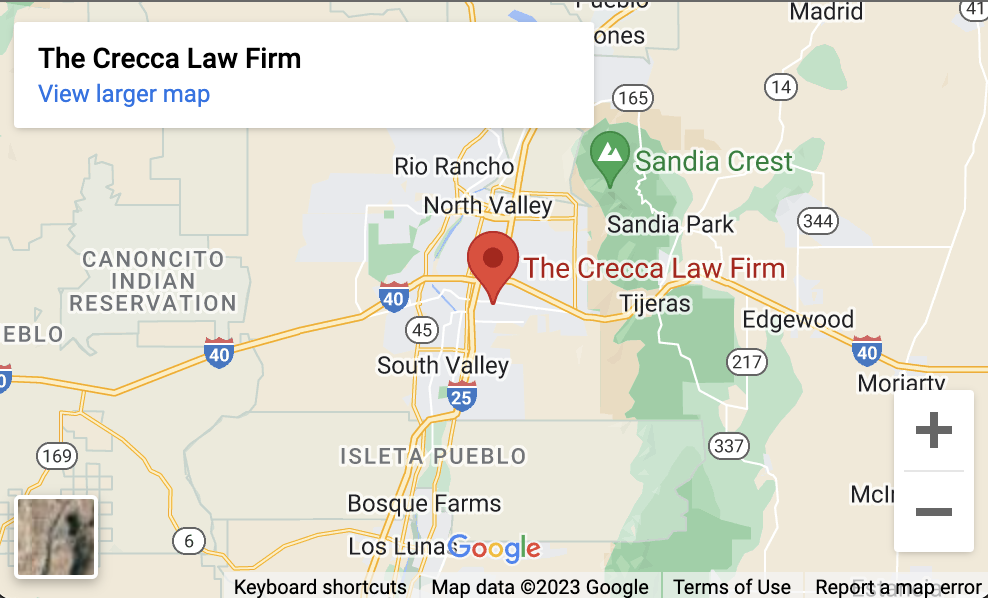
    The Crecca Law Firm is located in Albuquerque and represents clients and takes injury claim cases throughout the entire state of New Mexico.
    The information on this Law Firm website is for general information purposes only. Nothing on this or associated pages, documents, comments, answers, emails, or other communications should be taken as legal advice for any individual case or situation. This information on this website is not intended to create, and receipt or viewing of this information does not constitute, an attorney-client relationship.
    Copyright 2023 The Crecca Law Firm | All Rights Reserved |
    Legal Marketing Solutions by USAttorneys.com
    • Facebook
    • Areas Served
    • Sitemap
    Scroll to top