The Crecca Law Firm
  • Home
  • About Us
  • Practice Areas
    • Asbestos Cases
    • Bad Faith Insurance
    • Bicycle Accidents
    • Brain and Head Injuries
    • Burn Injuries
    • Business Litigation
    • Car Accident
    • Medication & Drug Liability
    • Dog Bite
    • Drunk Driving Accidents
    • Motorcycle Accidents
    • Nursing Home Negligence
    • Pedestrian Injuries
    • Personal Injury
    • Slip & Fall Accidents
    • Trucking Accidents
    • Uninsured Motorist
    • Wrongful Death
  • Blog
  • News
  • Contact Us
  • (505) 766-9999
  • Menu Menu
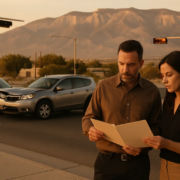
Multiple injury claims against one Albuquerque auto policy after a multi-vehicle crash

Can One Albuquerque Auto Policy Cover Several Injury Claims?

August 21, 2026

A serious collision can affect more than one person: the driver of another vehicle, passengers, pedestrians, or occupants of several vehicles. When multiple people seek compensation from one driver’s liability policy, the available insurance may be smaller than the combined value of everyone’s injuries and losses. That is the central issue behind many multiple injury claims against one auto insurance policy in Albuquerque.

This situation does not automatically determine what any individual claim is worth. Instead, it means policy limits, evidence, damages, and the timing of settlement discussions may become especially important. The insurer may need to evaluate several claims against the same coverage, while each injured person may have different medical needs and legal issues.

The Crecca Law Firm helps Albuquerque injury victims understand the insurance picture and evaluate their options. This guide explains how shared policy limits work, why the first settlement offer may not reflect all available coverage or damages, what records can matter, and how additional insurance may affect a claim. Laws and insurance requirements can change, so New Mexico-specific advice requires review of the facts and current law.

How Multiple Injury Claims Against One Albuquerque Auto Policy Work

An auto liability policy generally has separate limits for bodily injury to one person and bodily injury to everyone injured in one accident. These limits are often expressed as two numbers, such as a per-person limit and a per-accident limit. The per-accident limit is the maximum the policy may pay for covered bodily injury claims from that collision, subject to the policy terms.

Why the total value of claims can exceed the policy

Suppose several people suffer injuries in the same crash. Their combined medical expenses, lost income, pain-related damages, and other legally recognized losses may exceed the policy’s per-accident limit. The policy does not necessarily expand because more people were injured. Instead, the available liability coverage may need to be considered among the competing claims.

The exact process can vary. An insurer may investigate fault, gather medical and wage information, assess liability, and communicate with multiple claimants. A proposed payment to one person may affect how much coverage remains for others. That is one reason an injured person may want to understand the overall insurance picture before accepting a release.

New Mexico insurance limits and policy language

New Mexico’s required minimum automobile liability coverage has traditionally been described as $25,000 per person and $50,000 per accident for bodily injury, along with a separate property-damage minimum. Requirements and policy terms may change, and some drivers carry higher limits. In Albuquerque, NM, the declarations page, endorsements, exclusions, and applicable policies—not just a verbal description of coverage—can affect the analysis.

The minimum policy is not a valuation of an injury. It is only a limit on the insurer’s obligation under that policy. A claim may be worth more than the available liability coverage, but collecting beyond the policy may depend on other coverage, assets, liability issues, and practical considerations.

Reviewing insurance coverage for multiple injured people after an Albuquerque crash
Several claims may require a careful review of available insurance coverage and damages records.

Finding Coverage Beyond the At-Fault Driver’s Policy

A policy-limits problem calls for a broader coverage review. The driver’s liability policy may be the first source considered, but it is not always the only possible source. Depending on the facts, an injured person may need to investigate insurance connected to the vehicle, an employer, another household vehicle, or the injured person’s own policy.

Potential coverage questions may include:

  • Was the driver operating a vehicle owned by someone else?
  • Was the driver working or performing a business-related task at the time of the crash?
  • Does the injured person have uninsured or underinsured motorist coverage that may apply?
  • Were multiple vehicles or drivers potentially involved in causing the collision?
  • Are there separate policies covering different vehicles or insured individuals?

Uninsured and underinsured motorist coverage can be particularly important when the at-fault driver’s limits are inadequate, although whether coverage applies depends on the policy, the facts, and New Mexico law. Notice requirements and claim procedures may also matter. A policy review should not assume that a separate source of coverage exists or that it will automatically pay a claim.

In Albuquerque, a crash report from the appropriate law-enforcement agency may help identify vehicles and drivers, but it is not a complete insurance investigation. Insurance information may appear in exchange records, claim correspondence, vehicle documents, or policy materials. An attorney may help identify questions to ask and documents to request without assuming that every potential coverage theory will succeed.

Protecting Damages Evidence When Claims Compete

When several injured people seek compensation from one policy, prompt documentation can help distinguish the nature and value of each claim. Medical records, bills, work records, photographs, witness information, and other evidence may help establish what happened and how the collision affected the injured person. Documentation is not a guarantee of compensation, but missing or inconsistent records can make an insurer’s evaluation more difficult.

<

Generally, injured people should consider preserving:

  1. Medical records and billing statements related to accident-related care.
  2. Information showing missed work, reduced hours, or other income effects.
  3. Photographs of vehicles, visible injuries, and relevant conditions, when available.
  4. Insurance letters, recorded-statement requests, claim numbers, and settlement documents.
  5. Names and contact information for witnesses and all involved drivers.
  6. A personal timeline of symptoms, appointments, limitations, and expenses.

Why a first offer may not show the full picture

An early offer may be based on preliminary records, an incomplete understanding of the injuries, or an assumption that the matter can be resolved quickly. It may also include a release that affects future claims under the same incident. A first offer is not necessarily improper, but it should be understood before it is accepted.

A release can be especially significant when treatment is ongoing or when other insurance may need to be evaluated. Depending on the circumstances, an attorney may review the offer, policy limits, damages evidence, and potential coverage before advising whether a proposed resolution is appropriate. People should also be cautious about making statements that minimize their injuries or accepting responsibility before the facts are fully developed.

Frequently Asked Questions

Does the first person to file a claim receive all the available insurance?

Not necessarily. Filing first does not automatically establish priority over other injured people. The insurer may investigate and evaluate multiple claims arising from the same collision, while the applicable policy and New Mexico law can affect how claims are handled. Because an early settlement may require a release, an injured person may benefit from understanding the number of claimants, available limits, and other possible coverage before resolving the claim.

Can I pursue the driver personally if the policy limit is too low?

A claim can potentially involve damages beyond available insurance, but collection beyond policy limits depends on facts such as liability, the defendant’s assets, applicable exemptions, and the cost and practicality of further legal action. It is not safe to assume that a personal judgment will be collectible. An attorney can evaluate the available information and explain possible options under New Mexico law.

What if I was a passenger in the vehicle that caused the crash?

A passenger may have a claim for covered injuries even when riding in the vehicle driven by the person whose conduct allegedly caused the collision. The analysis can involve the driver’s liability coverage, the passenger’s own uninsured or underinsured motorist coverage, and questions about fault or policy terms. The passenger’s relationship with the driver does not by itself answer which coverage applies.

Should I give the insurer a recorded statement after a multi-person crash?

An insurer may request a recorded statement as part of its investigation, but the request does not eliminate the importance of accuracy and context. Statements about symptoms, fault, treatment, or the sequence of events may later be compared with records and testimony. Depending on the circumstances, an attorney may help a claimant understand the request and prepare without exaggerating or minimizing what occurred.

How The Crecca Law Firm Can Help

The Crecca Law Firm is dedicated to helping injured people in Albuquerque understand the claims process when several people may be seeking compensation from the same policy. The firm can review available insurance information, discuss the importance of damages documentation, examine whether other coverage may be relevant, and help clients understand proposed settlement documents. Every claim depends on its own facts, policy language, evidence, and applicable New Mexico law.

If you or someone in your family was injured in a crash involving multiple claimants, contact The Crecca Law Firm for a free consultation or case evaluation. The team is ready to evaluate your situation and discuss your legal options without guaranteeing a particular outcome.

The information in this article is for educational purposes only and does not constitute legal advice. Contact a qualified attorney licensed in Albuquerque, NM for advice specific to your situation.

https://thecreccalawfirm.com/wp-content/uploads/2026/08/can-one-albuquerque-auto-policy-cover-several-injury-claims-788-featured-publisher.webp 1024 1536 publisher https://thecreccalawfirm.com/wp-content/uploads/2023/03/logo-300x87.png publisher2026-08-21 09:26:102026-08-21 09:30:28Can One Albuquerque Auto Policy Cover Several Injury Claims?
Health insurance lien review for an Albuquerque car accident settlement

Health Insurance Liens in Albuquerque Crash Settlements

August 21, 2026

A settlement offer can look substantial until medical bills, legal fees, case expenses, and repayment claims are accounted for. If health insurance paid accident-related treatment, the insurer may assert a reimbursement or subrogation claim. A hospital, physician, or medical funding company may also claim an interest in settlement proceeds. The amount discussed during negotiations is therefore not necessarily the amount a claimant ultimately receives.

For people searching how are health insurance liens resolved in Albuquerque car accident settlements, the essential issue is settlement allocation: identifying every repayment claim, confirming that it is legally valid and accurately calculated, and determining how it can be resolved before money is distributed. The Crecca Law Firm can help injured people understand the moving parts and evaluate their legal options. This article explains the difference between common claims, a practical verification checklist, and mistakes that can reduce the net recovery.

Why a Health Insurance Lien Can Reduce an Albuquerque Car Accident Settlement

A health insurance lien is often used as a general term for a claim seeking repayment from a settlement. The technical basis may instead be a reimbursement provision in an insurance contract, a subrogation right, a statutory recovery claim, or an agreement signed with a medical provider. These distinctions matter because the claimant’s obligations and the available defenses may differ.

Common repayment claims

Potential claims may come from:

  • A private health insurer seeking repayment under plan language or a subrogation provision.
  • Medicare or Medicaid, when a government program paid accident-related medical expenses.
  • A hospital, doctor, therapist, or other provider with a written lien or payment agreement.
  • A medical finance company or other entity that advanced funds for treatment.
  • A workers’ compensation carrier if the accident-related care also involved a compensable workplace injury.

A private insurer’s demand may include only accident-related payments, but that must be checked against explanation-of-benefits statements and medical records. A provider claim may also include disputed charges, unrelated treatment, or fees beyond what the settlement actually covers. In Albuquerque, NM, the settlement’s gross figure should be treated as one part of the analysis rather than the final recovery.

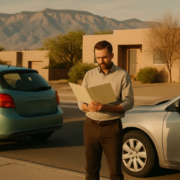
Organizing medical payment claims after an Albuquerque car accident
Tracking payment claims can clarify the difference between a gross settlement and net recovery.

How Are Health Insurance Liens Resolved in Albuquerque Car Accident Settlements?

Resolution usually involves investigation, written confirmation, negotiation, and documented payment or release. The process can begin before a settlement is reached, because unresolved claims may delay distribution or create a later dispute. In a lawsuit filed in New Mexico, including a matter involving the Second Judicial District Court in Bernalillo County, lien and reimbursement issues may also affect settlement paperwork and closing procedures. The exact process depends on the claimant’s coverage, contract language, benefits program, and case posture.

A practical checklist includes:

  1. Identify every payer. Review insurance cards, medical statements, explanation-of-benefits forms, provider communications, and correspondence received after treatment.
  2. Request a payment ledger. Ask each claimant for an itemized list of payments allegedly related to the crash, along with the plan provision, lien document, or other asserted legal basis.
  3. Compare the ledger with treatment records. Charges for unrelated conditions, dates outside the accident treatment period, duplicate payments, and services not caused by the collision may require review.
  4. Confirm the final amount. A preliminary demand may change after additional bills are processed. Request updated figures and a written expiration date, if one applies.
  5. Address reductions and costs. Depending on the claim and governing rules, arguments may involve attorney fees, litigation expenses, procurement costs, limited settlement funds, or equitable considerations.
  6. Obtain written resolution. Before distribution, seek a settlement statement, payment instructions, and a release or confirmation showing what remains owed.

Federal benefit programs and employer-sponsored plans can involve rules different from ordinary private insurance. A plan administrator’s documents may be more important than a standard state insurance card. Because laws vary by jurisdiction and may change, an attorney may need to review the specific plan and payment history.

Avoiding Mistakes When Managing a Car Accident Medical Lien in New Mexico

The biggest mistake is assuming that a lien notice is automatically correct—or automatically invalid. A notice may be incomplete, but ignoring it can create collection problems or complicate the closing of a claim. Claimants should preserve every letter, email, bill, explanation of benefits, and settlement document in one organized file.

Other common problems include:

  • Failing to disclose all medical payers. A later demand can arise after settlement if a payer was not identified early.
  • Paying a provider’s full bill without review. The billed amount, insurance-adjusted amount, and amount actually paid may be different.
  • Confusing a lien with a medical bill. A bill seeks payment for services; a lien or reimbursement claim may seek payment from settlement proceeds under a separate legal or contractual basis.
  • Accepting a demand without supporting records. The claimant may need an itemization and an explanation of why each charge relates to the crash.
  • Distributing funds before resolving claims. A written agreement about the final amount and payment process can help prevent later confusion.

To evaluate how to reduce medical liens in Albuquerque, an attorney may review the settlement’s limited funds, the relationship between the treatment and the collision, the governing documents, and the expenses incurred to obtain the recovery. No reduction is automatic. Negotiations should be based on the specific claim and available documentation rather than an assumed percentage.

A useful settlement worksheet can list each claimant, the original demand, verified accident-related payments, disputed items, negotiated amount, payment date, and proof of release. Updating it whenever a new statement arrives helps everyone see the difference between the gross settlement and the projected net distribution.

Frequently Asked Questions

Does a health insurer always have a right to money from an Albuquerque car accident settlement?

No. The answer depends on the source of coverage, plan or policy language, applicable law, and whether the payments relate to the accident. Some claims may be subject to defenses, limits, or negotiation. A demand by itself does not establish that every listed charge is valid. A licensed attorney can review the relevant documents and explain how New Mexico law and any applicable federal rules may affect the claim.

What records help challenge an inaccurate medical lien?

Useful records may include itemized provider bills, explanation-of-benefits statements, payment ledgers, medical records, treatment dates, insurance policy or plan documents, and correspondence about the demand. A settlement statement can also show the available recovery and related costs. Keeping the documents together makes it easier to identify duplicate charges, unrelated treatment, or amounts that do not match actual payments.

Can a provider lien be negotiated after a car accident settlement is reached?

Sometimes. Negotiation may depend on the provider agreement, the amount recovered, outstanding treatment expenses, insurance payments, and other repayment claims. A provider may agree to a different amount, but there is no guaranteed reduction. Any agreement should be documented in writing, including the amount to be paid, the deadline, and whether the provider releases further claims against the settlement.

What happens if a lien is discovered after settlement funds are distributed?

The consequences depend on the claim’s legal basis, the settlement documents, communications among the parties, and whether funds remain available. A payer may seek repayment or raise a contractual or statutory claim. Promptly gathering the demand, payment history, and closing statement can help an attorney assess the issue. Laws and procedures may vary in Albuquerque and elsewhere in New Mexico.

How The Crecca Law Firm Can Help

The Crecca Law Firm is dedicated to helping Albuquerque personal injury clients understand the financial side of a car accident claim, not just the headline settlement figure. The firm can help evaluate medical payment records, identify potential health insurance liens and provider claims, review reimbursement demands, and track the amounts used to calculate a projected net recovery. Depending on the circumstances, an attorney may also communicate with claimants and explore whether a resolution or reduction is available.

If you are dealing with a car accident settlement and want to understand what may remain after repayment claims and case expenses, contact The Crecca Law Firm for a free consultation or case evaluation. The firm is committed to fighting for your rights while helping you make informed decisions about your legal options.

The information in this article is for educational purposes only and does not constitute legal advice. Contact a qualified attorney licensed in Albuquerque, NM for advice specific to your situation.
https://thecreccalawfirm.com/wp-content/uploads/2026/08/health-insurance-liens-car-accident-settlement-albuquerque-758-featured-publisher.webp 1024 1536 publisher https://thecreccalawfirm.com/wp-content/uploads/2023/03/logo-300x87.png publisher2026-08-21 08:15:492026-08-21 08:21:52Health Insurance Liens in Albuquerque Crash Settlements
Borrowed car accident insurance Albuquerque coverage discussion beside vehicles

Who Handles Borrowed Car Accident Insurance in Albuquerque?

August 20, 2026

Borrowing a family member’s, friend’s, or roommate’s vehicle is common. But if a collision happens, the insurance questions can become more complicated than the crash itself. Borrowed car accident insurance in Albuquerque, NM may involve the vehicle owner’s policy, the driver’s personal policy, or more than one insurer.

A simple question—“Who pays after a borrowed car accident?”—does not always have a simple answer. Coverage can depend on whether the driver had permission, where the driver lived, how the vehicle was being used, and whether a policy contains an exclusion or limitation. The order in which insurers review coverage may also matter.

The Crecca Law Firm can help Albuquerque accident victims understand the insurance issues that may affect a claim. This article explains common coverage scenarios, the importance of policy language, and a practical checklist for gathering ownership and insurance information after a crash.

How Borrowed Car Accident Insurance in Albuquerque May Work

In many cases, the vehicle owner’s liability policy is the first policy examined after a permissive driver causes a collision. Liability coverage generally follows the insured vehicle, but the exact result depends on the policy and the facts. If the driver had permission and was using the car for an ordinary personal purpose, the owner’s insurer may evaluate the claim under the policy’s permissive-use provisions.

That does not mean coverage is automatic. Insurers may examine the scope of permission, the relationship between the owner and driver, and whether the vehicle was used for an excluded purpose. New Mexico insurance rules and policy terms govern the analysis, and laws can vary by location or change over time.

A basic borrowed-car scenario

Suppose a friend allows someone to use a car to run errands in Albuquerque. If that driver is involved in a crash, the owner’s policy may be relevant to claims for injuries or property damage. The driver’s own policy might also matter, particularly if the owner’s coverage is unavailable, insufficient, or subject to a restriction.

The facts can change the analysis. Driving without permission, using the vehicle for a commercial purpose, or allowing an excluded household member to drive may lead to a coverage dispute.

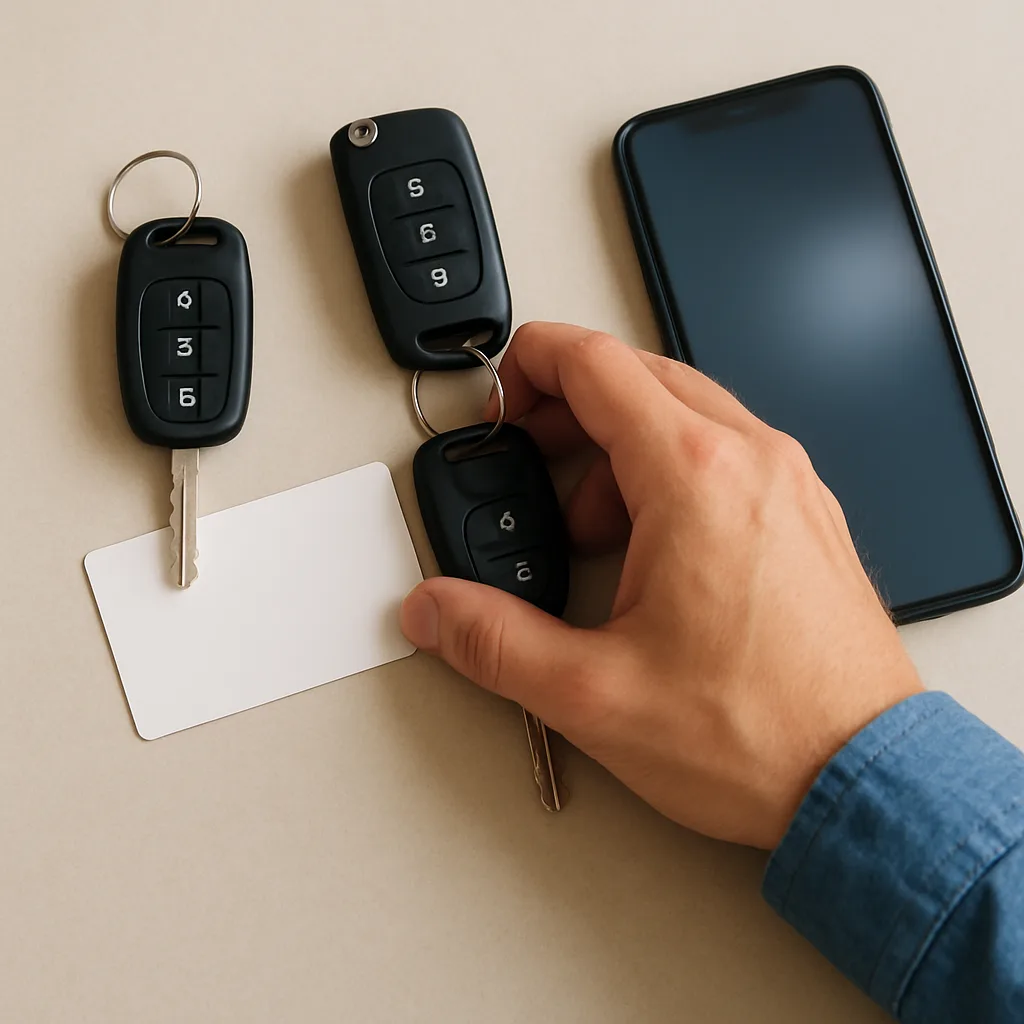
Collecting vehicle ownership and insurance information after a borrowed car accident
Ownership and policy information can help clarify which coverage may apply.

Permission, Household Rules, and Multiple Policies

Permission is often central to a permissive driver accident claim. Permission may be express, such as a direct request to borrow the car, or implied from the parties’ regular arrangement. However, permission to use a vehicle for one purpose does not necessarily resolve whether the driver had permission for every use.

Household relationships can create additional complications. An insurer may ask whether the driver lived with the owner, was a regular user of the vehicle, or should have been listed on the policy. Some policies contain household-member exclusions, named-driver exclusions, or provisions addressing residents who have access to the vehicle. The effect of a clause depends on the policy language and applicable New Mexico law.

Why the driver’s policy may also matter

The driver’s personal auto policy may provide coverage in certain circumstances, often subject to its own terms and limits. It may be considered as excess coverage, secondary coverage, or another potential source of payment, depending on the policies involved. “Secondary” does not necessarily mean that an insurer will immediately agree to pay.

Potentially relevant questions include:

  • Did the owner give the driver permission?
  • Was the driver a household member or regular user?
  • Was the driver specifically excluded from the policy?
  • Was the car being used for work, delivery, racing, or another restricted purpose?
  • What liability and uninsured or underinsured motorist limits apply?
  • Are there separate policies covering the vehicle, the driver, or an injured household member?

These issues may arise in an Albuquerque auto insurance coverage dispute. A policy declaration page, complete policy wording, endorsements, and written coverage position can be important when evaluating the available insurance.

What to Collect After a Crash in Someone Else’s Vehicle

After a car accident in someone else’s vehicle in New Mexico, people often focus on the police report and vehicle damage. Those records matter, but insurance and ownership information can be just as important. A careful information-gathering process may help clarify which policies should be notified.

Practical information checklist

Depending on the circumstances, consider gathering:

  1. The vehicle owner’s full name and contact information.
  2. The driver’s full name, address, and relationship to the owner.
  3. The vehicle’s make, model, year, license plate, and vehicle identification number if available.
  4. The insurance company, policy number, and declarations page for the borrowed vehicle.
  5. The driver’s own insurance information, if the driver has a separate policy.
  6. Any messages, emails, or other records showing permission to use the vehicle.
  7. The purpose of the trip and whether the vehicle was being used for work or business.
  8. The crash report, photographs, witness information, and insurer correspondence.

In Albuquerque, a crash may be documented through the Albuquerque Police Department or another responding law enforcement agency, depending on where it occurred. The report is one piece of evidence, not necessarily a complete determination of insurance coverage or legal responsibility.

Avoid guessing about coverage when speaking with an insurer. It may be useful to keep communications organized, preserve documents, and avoid discarding damaged property before its condition is documented. Depending on the circumstances, an attorney may review the policies and communications before advising on the next step.

Frequently Asked Questions

Does the owner’s insurance usually cover a friend who borrows the car?

The owner’s liability policy may apply when a friend had permission to use the vehicle, but coverage is not automatic. The insurer may review the purpose of the trip, whether the driver was a regular household user, and whether an exclusion applies. The policy’s wording and New Mexico law control the analysis. A separate policy held by the driver may also be relevant.

What if the driver lives in the same household as the vehicle owner?

A household member may be subject to policy requirements that do not apply to an occasional guest. The insurer may ask whether that person regularly drove the vehicle, was listed on the policy, or was excluded. Household-member provisions differ among policies, so the relationship alone does not answer the coverage question. Reviewing the complete policy may be important in an Albuquerque claim.

Can an insurer deny a claim because the driver exceeded permission?

An insurer may investigate whether the driver stayed within the permission granted by the owner. For example, permission for a short personal trip may raise different questions if the vehicle was instead used for a business activity or taken for an unauthorized purpose. Whether that circumstance permits a denial depends on the policy, the facts, and applicable New Mexico law.

Do policy limits affect a borrowed-car accident claim?

Yes. Even when coverage applies, the available liability limits may affect how much insurance is available for covered claims. Other potentially relevant coverage can include the injured person’s uninsured or underinsured motorist coverage, subject to its terms. Policy limits do not by themselves establish the value of a claim, and an attorney can explain how multiple policies may interact.

How The Crecca Law Firm Can Help

The Crecca Law Firm is dedicated to helping people evaluate the insurance and liability issues that can follow an Albuquerque car accident. The firm can review available ownership records, policy documents, permission evidence, crash information, and insurer communications to identify questions that may affect a claim.

When a borrowed vehicle is involved, the firm is committed to fighting for clients’ rights while recognizing that every coverage dispute depends on its own facts and policy language. If you are unsure which insurance policy may apply, contact The Crecca Law Firm for a free consultation or case evaluation.

The information in this article is for educational purposes only and does not constitute legal advice. Contact a qualified attorney licensed in Albuquerque, NM for advice specific to your situation.
https://thecreccalawfirm.com/wp-content/uploads/2026/08/borrowed-car-accident-insurance-albuquerque-692-featured-publisher.webp 1024 1536 publisher https://thecreccalawfirm.com/wp-content/uploads/2023/03/logo-300x87.png publisher2026-08-20 09:28:382026-08-20 09:33:49Who Handles Borrowed Car Accident Insurance in Albuquerque?
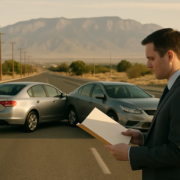
Preexisting injury car accident Albuquerque claim scene with vehicles and Sandia Mountains

Can a Preexisting Injury Claim Follow an Albuquerque Crash?

August 20, 2026

A prior injury can make a new crash claim feel uncertain. If your neck, back, shoulder, or concussion symptoms existed before a collision, you may wonder whether an insurer will blame everything on your medical history. The question in a preexisting injury car accident Albuquerque claim is usually not whether you were perfectly healthy before the crash. It is what changed, whether the collision caused or worsened that change, and what evidence supports it.

In Albuquerque, medical records may show both the baseline condition and the effects that followed the crash. The Crecca Law Firm can help readers understand how those records, treatment changes, and work limitations may fit into an injury claim without assuming that every case has the same answer. This article explains what an aggravation claim generally involves, how to organize useful information, and what mistakes can make an insurance review more difficult.

What Must Be Proved in a Preexisting Injury Car Accident Albuquerque Claim?

A preexisting condition does not automatically eliminate the possibility of compensation. Generally speaking, an aggravation claim focuses on the difference between your condition before the collision and your condition afterward. The available evidence must connect the crash to a new injury, a worsening of an earlier problem, or an increase in pain, limitations, or treatment needs.

Establishing the medical baseline

A baseline is a reasonably clear picture of your condition before the accident. Useful information may include:

  • Earlier diagnoses involving the neck, back, shoulder, or head
  • Prior pain levels, physical restrictions, or concussion-related symptoms
  • Medical visits, imaging, therapy, medication, or injections before the crash
  • Whether symptoms were stable, improving, intermittent, or affecting daily activities

The goal is not to hide an earlier condition. Honest disclosure can help show which symptoms were already present and which were new or materially worse after the collision.

Showing a meaningful change

Post-crash records may help document a change in frequency, intensity, duration, or functional impact. For example, a person who had occasional back discomfort but then developed persistent pain, reduced movement, or new treatment needs may have evidence relevant to aggravation. A medical professional’s assessment is often important because causation and medical significance may not be established by a symptom description alone.

Organizing medical records for a preexisting injury car accident claim in Albuquerque
Organizing records can help clarify the difference between prior symptoms and post-crash changes.

How Medical and Other Evidence Shows Aggravation in New Mexico

For a car accident aggravated old injury New Mexico claim, evidence usually works best when it tells a consistent before-and-after story. No single record necessarily proves the entire claim. Instead, an attorney, insurer, or court may examine the timing of symptoms, the nature of the impact, medical opinions, and changes in daily life.

Important categories can include:

  1. Medical records: Records from before and after the crash may show diagnoses, complaints, examination findings, imaging, referrals, and treatment changes. Give providers a complete history so their records are accurate.
  2. Crash information: The collision report, photographs, vehicle damage, witness information, and other evidence may help establish how the event occurred. A crash report is not always a complete determination of medical causation.
  3. Treatment progression: New appointments, different medications, more frequent therapy, specialist referrals, or procedures may help demonstrate that care changed after the collision. They do not independently prove that the crash caused every change.
  4. Work and daily activities: Records of missed work, modified duties, reduced hours, or difficulty with household and recreational activities may show functional impact. Supporting documentation can be more useful than a general statement that the injury affected work.
  5. Personal observations: A dated symptom journal may help track pain, headaches, mobility, sleep disruption, and activities that became difficult. It should be factual and consistent, not exaggerated.

New Mexico law may apply differently depending on the facts, the parties, and the legal claims involved. A dispute that cannot be resolved through an insurance claim may involve proceedings in a New Mexico court, potentially including the Second Judicial District Court in Bernalillo County. Court rules, deadlines, and evidentiary requirements can change, so local legal advice matters.

Organizing Your History and Avoiding Common Claim Problems

A practical file can make it easier to explain an aggravation claim. Consider separating documents into four sections:

  • Before the crash: List prior symptoms, diagnoses, providers, treatment, medications, and physical restrictions. Note whether you were working and performing ordinary activities as usual.
  • Immediately after the crash: Record when symptoms changed, what you reported at the scene or during the first medical visit, and whether you sought emergency, urgent, or follow-up care.
  • After treatment began: Keep appointment summaries, bills, referrals, work notes, therapy schedules, and information about treatment that was recommended or completed.
  • Functional changes: Track missed shifts, altered duties, driving limitations, interrupted household tasks, and activities you stopped or reduced.

Several mistakes can create avoidable confusion in an insurance claim with a preexisting condition. Failing to mention prior treatment may damage credibility if the history appears later. At the same time, assuming that every symptom is unrelated to the crash can lead to an incomplete account. Social media posts that show activity without context may also be misunderstood, so preserving the full circumstances is important.

The so-called “eggshell plaintiff” principle is a general legal concept that may limit a responsible party’s ability to avoid responsibility merely because an injured person was more vulnerable than an average person. Its application depends on the facts and applicable New Mexico law. It does not eliminate the need to prove that the collision caused a compensable injury or aggravation.

Frequently Asked Questions

Can I pursue a claim if my back hurt before the Albuquerque crash?

Possibly. A prior back condition does not automatically prevent a claim, but the evidence generally must distinguish your earlier symptoms from the pain, limitations, treatment, or impairment that followed the collision. Medical records from both periods may be relevant. The strength of an aggravation claim depends on the facts, medical opinions, and applicable New Mexico law, so an Albuquerque personal injury lawyer can evaluate the details more specifically.

What if I did not feel worse until several days after the accident?

A delayed increase in symptoms does not necessarily resolve the issue either way. The timing, medical history, crash circumstances, and explanations documented by providers may all matter. Promptly reporting changes accurately can help create a clearer record, but only a qualified medical professional can assess medical issues. An attorney may review whether the available evidence supports a connection between the collision and the later-worsened condition.

Should I tell the insurance adjuster about my old injury?

Medical history should not be concealed, and inaccurate or incomplete statements can create credibility problems. However, an insurance adjuster’s questions and requests may have legal significance, particularly when they involve broad medical authorizations or recorded statements. Depending on your circumstances, an attorney may advise you about how to respond and what information is relevant to evaluating the claim.

Can an aggravation claim include lost income or future care?

Depending on the evidence and applicable New Mexico law, an aggravation claim may involve losses connected to additional treatment, reduced ability to work, or changes in future needs. Those issues generally require supporting documentation and, in some cases, professional opinions. A prior condition can make these damages more fact-specific because the evidence must separate losses caused by the crash from limitations that existed beforehand.

How The Crecca Law Firm Can Help

The Crecca Law Firm is dedicated to helping Albuquerque car accident victims understand how prior medical conditions may affect an injury claim. The firm can review the timeline of your symptoms, treatment records, crash information, and work limitations to help identify questions about causation and aggravation. Its team is committed to fighting for clients’ rights while presenting an accurate account of both pre-crash history and post-crash changes. If you are dealing with a preexisting condition after a collision, contact The Crecca Law Firm for a free consultation or case evaluation.

The information in this article is for educational purposes only and does not constitute legal advice. Contact a qualified attorney licensed in Albuquerque, NM for advice specific to your situation.
https://thecreccalawfirm.com/wp-content/uploads/2026/08/can-preexisting-injury-claim-follow-albuquerque-crash-662-featured-publisher.webp 1024 1536 publisher https://thecreccalawfirm.com/wp-content/uploads/2023/03/logo-300x87.png publisher2026-08-20 08:14:142026-08-20 08:21:03Can a Preexisting Injury Claim Follow an Albuquerque Crash?
Albuquerque government vehicle accident claim scene near an intersection

Records First: Albuquerque Government Vehicle Crash Claims

August 19, 2026

A crash with a city, county, or other government vehicle can look like an ordinary car accident at the scene. But the claim process may be different once the vehicle belongs to a public entity. If you are researching an Albuquerque government vehicle accident claim, it is important to identify the vehicle’s owner, preserve evidence, report injuries, and understand whether special notice rules apply.

In Albuquerque, a government vehicle could include a municipal truck, a Bernalillo County vehicle, a public-works vehicle, or a vehicle operated by another public agency. Ownership alone does not automatically establish liability. The facts may include who was driving, whether the employee was acting within the scope of work, what caused the collision, and whether a statutory exception or immunity issue affects the claim.

The Crecca Law Firm can help readers understand the issues that often require early attention. This article explains how to spot a potential public-entity claim, why records matter, what New Mexico deadlines may apply, and how a lawyer may evaluate the circumstances.

Identifying an Albuquerque Government Vehicle Accident Claim

The first challenge is often recognizing that a special claim process may be involved. A vehicle may not have an obvious city or county logo, and a driver may not provide complete information at the scene. A crash report, insurance exchange information, vehicle number, agency name, or witness account may help identify the vehicle’s owner.

What to document at the scene

When reasonably possible, gather or preserve:

  • Photographs of the vehicles, license plates, damage, roadway, traffic controls, and visible vehicle markings
  • The driver’s name, employer, department, and contact information
  • The vehicle number, unit number, or agency listed on the vehicle
  • Names and contact details for witnesses
  • The responding agency and report or incident number
  • The date, time, and precise location of the collision in Albuquerque, NM

Do not assume that a vehicle is privately owned because it lacks prominent markings. Some public vehicles are used for maintenance, transportation, inspection, emergency response, or administrative work. An attorney may investigate ownership through the crash report, agency records, insurance information, and other available evidence.

Government ownership is not the same as automatic liability

A public entity may have legal defenses or statutory protections that do not arise in the same way in a private-party claim. Liability may depend on New Mexico law, the type of conduct involved, the employee’s role, and whether the facts fit an applicable waiver of governmental immunity. A careful review is especially important if the vehicle was being used for law enforcement, emergency response, road work, or another public function.

Preserving records for an Albuquerque government vehicle accident claim
Organizing crash records can help clarify ownership, timing, and available evidence.

Notice and Filing Rules for a New Mexico Government Vehicle Crash

New Mexico public-entity claims may be governed by the New Mexico Tort Claims Act. The Act addresses when governmental immunity is waived and includes procedural requirements that can differ from an ordinary negligence claim. The relevant rules depend on the public entity, the conduct involved, and the facts of the collision.

Under New Mexico law, a person with a potential claim against a public entity generally must consider a written notice requirement. New Mexico’s Tort Claims Act generally refers to notice within 90 days after the occurrence, subject to statutory qualifications and possible exceptions. The Act also contains a limitations period for bringing an action, which is generally two years, but the details can depend on the claim and the parties involved. These deadlines should not be assumed or calculated without reviewing the current law and facts.

Why an incident report may not be enough

Reporting the crash to 911, the Albuquerque Police Department, or another responding agency serves important practical purposes, but a police or incident report may not satisfy every statutory notice requirement. A claim may require information about the claimant, the occurrence, the nature of the injury or loss, and the public entity involved. The correct recipient and method of delivery may also matter.

Depending on the circumstances, a potential claim may involve:

  1. The City of Albuquerque
  2. Bernalillo County
  3. A New Mexico state agency
  4. A public authority, district, or other governmental entity
  5. More than one public or private party

A Bernalillo County vehicle crash claim, for example, may require a different review from a collision involving a private contractor working on a county project. It may also be necessary to distinguish the vehicle owner from the employer, contractor, insurer, or agency responsible for a particular road condition.

Because notice and limitation rules may be shorter or different than expected, prompt advice from a lawyer familiar with New Mexico public-entity claims may help protect a person’s ability to evaluate available options. Laws can change, and the current statutory language should be checked for any claim being considered.

Preserving Records and Evaluating the Crash

Evidence in a government vehicle case can exist in several places. Some records may be held by the agency, while others may come from witnesses, nearby businesses, transportation systems, or private parties. Records can be harder to locate after routine retention periods or system changes, so identifying likely evidence early may be important.

Useful evidence may include:

  • Dash-camera, body-camera, or other vehicle video, when it exists and is legally available
  • Dispatch records, GPS data, vehicle inspection records, and maintenance records
  • Employee schedules, trip assignments, and information about the vehicle’s work purpose
  • Photographs, repair estimates, medical records, and wage-loss documentation
  • Traffic-light, roadway, construction-zone, or surveillance footage
  • Statements from witnesses and the responding officer’s report

A lawyer evaluating an Albuquerque government vehicle accident claim may examine whether the driver was acting within the scope of employment, whether traffic laws or safe-driving duties were followed, and whether a roadway or maintenance issue contributed to the crash. The analysis may also consider comparative fault and whether another driver, contractor, or property owner played a role.

Common mistakes that can complicate a claim

People sometimes focus only on the vehicle damage and delay documenting symptoms or medical evaluation. Others provide a detailed recorded statement before understanding the claim’s legal framework, assume the government agency’s internal report is a formal claim notice, or wait until a deadline is close before seeking advice. These choices do not automatically defeat a claim, but they can make the facts and timing more difficult to assess.

Generally speaking, keep copies of communications, avoid altering original photographs or videos, and maintain a dated record of appointments, limitations, expenses, and work disruptions. Medical decisions should be made with qualified healthcare professionals. Legal decisions about notice, statements, and filing should be discussed with a licensed attorney who can review the specific circumstances.

Frequently Asked Questions

How do I know whether a vehicle belongs to the City of Albuquerque or Bernalillo County?

Look for agency information in the crash report, insurance exchange materials, vehicle markings, unit numbers, or witness photographs. The responding officer or agency may record ownership, but the report may not answer every question. An attorney may help investigate whether the vehicle belonged to the City of Albuquerque, Bernalillo County, a state agency, or a private contractor. Ownership and employment relationships should be confirmed rather than assumed.

Can I file a claim if the government driver was responding to an emergency?

Possibly, but emergency-response facts can affect the legal analysis. The vehicle’s purpose, the driver’s conduct, applicable traffic rules, warnings, and the circumstances known at the time may all matter. Governmental immunity and statutory waivers can also depend on the type of activity involved. A lawyer can assess the available evidence and explain how New Mexico law may apply without assuming that emergency status automatically establishes or defeats liability.

Does the government have to pay all of my losses after a crash?

Not necessarily. Potential compensation depends on liability, causation, documented damages, applicable statutory limits or restrictions, insurance coverage, and other facts. Medical expenses, income loss, property damage, and other losses may be evaluated differently depending on the claim. A settlement, if one is discussed, is not automatic. An attorney can explain which categories may be relevant and what documentation may support them.

What if I discovered the vehicle was government-owned after the crash?

Finding out later does not necessarily answer whether a claim remains available, but timing can be important because public-entity notice and filing rules may apply. Preserve the crash report, photographs, communications, medical records, and any vehicle-identification information. Because New Mexico requirements can depend on the entity and facts, prompt review by a licensed attorney may help determine what deadlines and procedures need attention.

How The Crecca Law Firm Can Help

The Crecca Law Firm is dedicated to helping injured people understand the legal issues surrounding vehicle collisions in Albuquerque and throughout New Mexico. For a potential city or county vehicle claim, the firm may review the crash circumstances, identify the public or private entities involved, examine available records, and assess how notice and filing requirements could affect the matter.

The firm is committed to fighting for clients’ rights while providing a clear, fact-based evaluation of their options. If you were injured in a crash involving a municipal, county, or other government vehicle, contact The Crecca Law Firm for a free consultation or case evaluation.

The information in this article is for educational purposes only and does not constitute legal advice. Contact a qualified attorney licensed in Albuquerque, NM for advice specific to your situation.

https://thecreccalawfirm.com/wp-content/uploads/2026/08/records-first-albuquerque-government-vehicle-crash-claims-592-featured-publisher.webp 1024 1536 publisher https://thecreccalawfirm.com/wp-content/uploads/2023/03/logo-300x87.png publisher2026-08-19 09:23:102026-08-19 09:30:41Records First: Albuquerque Government Vehicle Crash Claims
Lost wages after an Albuquerque car crash documented at a professional workspace

Lost Wages After an Albuquerque Car Crash: A Proof Guide

August 19, 2026

A crash can affect more than your vehicle and medical appointments. If your injuries cause you to miss work, reduce your hours, lose a job opportunity, or change how you earn income, you may wonder: How can you prove lost wages after a car accident in Albuquerque?

The answer usually depends on organized records connecting the collision, your work restrictions, and the income you could not earn. A pay stub alone may not tell the full story, especially for hourly employees, people with irregular schedules, commission-based workers, and business owners.

The Crecca Law Firm provides guidance to people evaluating injury claims in Albuquerque, NM. This article explains the types of evidence that may support lost-income damages, how documentation differs by type of worker, and why reduced earning capacity can require more detailed proof. New Mexico law and claim procedures can vary based on the facts, parties, and forum involved.

Building Proof of Lost Wages After an Albuquerque Car Crash

Lost wages generally refer to income you would have earned but could not receive because crash-related injuries affected your ability to work. A claim may involve a short absence, reduced hours, missed shifts, or a longer period away from employment. The key issue is usually not simply whether money was missing, but whether reliable evidence shows why it was lost and how it relates to the collision.

Connect medical restrictions to missed work

Medical records may document restrictions such as time away from work, limits on lifting, reduced standing, or other activity limitations. Those records do not automatically establish the exact amount of income loss, but they can help explain why work was missed. An employer’s confirmation of the dates and duties affected can provide an important connection.

Gather employment and pay records

Depending on your situation, useful records may include:

  • Recent pay stubs and payroll summaries
  • Wage statements or tax records showing prior earnings
  • Work schedules, timecards, and attendance records
  • An employer statement confirming missed shifts, reduced hours, or unavailable duties
  • Records of paid leave, unpaid leave, or disability-related benefits
  • Written proof of canceled assignments, lost commissions, or deferred work

In Albuquerque, NM, keeping these materials together can make it easier to present a consistent account to an insurer, opposing party, or court. The appropriate evidence depends on the claim and the nature of your employment.

Organizing proof of lost wages after an Albuquerque car accident
Organized employment and financial records can help document income loss.

How Different Workers Can Document a Car Accident Lost Income Claim in New Mexico

Income-loss evidence should reflect how you actually get paid. A salaried employee may have a straightforward payroll history, while an hourly worker may need to show scheduled shifts that were missed. Someone with variable income may need records from several months or years to establish a reasonable baseline.

Employees and hourly workers

Ask an employer or payroll department, where appropriate, for a written statement identifying the dates you were absent, the hours or shifts missed, your regular rate of pay, and whether you used paid leave. A statement may also explain whether you returned with temporary restrictions or could not perform particular duties. Schedules and timekeeping records can be especially important when shifts change from week to week.

Commission-based and irregular-income workers

For commission workers, contractors, seasonal workers, or people paid through multiple sources, helpful evidence may include prior invoices, contracts, commission histories, calendars, account deposits, and records of accepted work that could not be completed. The goal is to show a reasonable income pattern rather than rely only on an estimate made after the crash.

Self-employed workers

A self-employed lost wages car accident claim may involve business and personal records. Potentially relevant materials include:

  • Business tax returns and profit-and-loss statements
  • Invoices, payment histories, and appointment or project calendars
  • Contracts or customer communications showing scheduled work
  • Bank records that help verify ordinary business revenue
  • Evidence of substitute labor or additional business expenses
  • Documentation showing whether the business could operate without your work

Revenue is not always the same as personal income. Business expenses, replacement labor, and other factors may affect the analysis. In New Mexico, the strength of a claim can depend on the quality of the underlying records and the specific damages being pursued.

Reduced Earning Capacity and Common Documentation Mistakes

Some people return to work but cannot earn what they earned before the collision. They may move to lighter duties, lose overtime, reduce their schedule, or leave a physically demanding position. This may raise a reduced earning capacity car crash issue, which is different from simply adding up past missed paychecks.

Evidence may include work restrictions, vocational information, prior earnings, job requirements, testimony from an employer, and information about the effect of limitations on future work. An attorney may assess whether additional documentation or qualified testimony is relevant. No single record proves future earning loss in every case.

Problems that can weaken documentation

  • Failing to report missed shifts or restrictions promptly to an employer
  • Keeping estimates without preserving the records behind them
  • Ignoring overtime, tips, commissions, or seasonal patterns
  • Mixing business revenue with personal wages when calculating self-employment loss
  • Claiming work absence without medical documentation that addresses functional limits
  • Overlooking paid leave or benefits that may affect the calculation

It is also important to preserve records without altering them. Keep original emails, payroll documents, calendars, and financial statements in a secure location. In a disputed claim, the insurer or other side may examine whether the claimed loss is consistent with tax, employment, medical, and financial records.

For residents of Albuquerque, NM, a claim may involve communications with an insurer, negotiations, or litigation in an appropriate New Mexico forum, including a court serving Bernalillo County when jurisdiction and venue are proper. Procedures and deadlines vary by location and may change, so legal guidance should be tailored to the circumstances.

Frequently Asked Questions

Can paid sick leave count as lost wages after a car accident in Albuquerque?

It may be relevant, depending on the facts and the type of claim. Using paid leave can mean you received wages but depleted a benefit you otherwise could have used later. Whether that depletion is recoverable may depend on New Mexico law, the available evidence, and the damages being claimed. Keep leave balances, payroll records, and employer explanations for review.

What if my employer will not provide a wage-loss statement?

You can preserve other records that show your work schedule, pay rate, attendance, and missed time, such as pay stubs, timecards, payroll portals, and written communications. A lack of cooperation from an employer does not necessarily resolve the issue, but it may make proof more difficult. Depending on the circumstances, an attorney may discuss other lawful ways to obtain relevant employment records.

Can I claim lost tips or commissions after an Albuquerque crash?

Potentially, if reliable records support the amount and connect the loss to the crash-related inability to work. Prior pay history, point-of-sale records, commission statements, tax documents, schedules, and customer or employer records may help establish a pattern. Because variable compensation can fluctuate, the calculation may require a closer review than a fixed hourly wage.

Does returning to work end an income-loss claim?

Not necessarily. A person may return while working fewer hours, performing less profitable duties, losing overtime, or earning less because of documented limitations. Those facts may relate to past wage loss or reduced earning capacity. The analysis depends on medical restrictions, employment records, prior earnings, and the rules applicable to the claim in New Mexico.

How The Crecca Law Firm Can Help

The Crecca Law Firm is dedicated to helping Albuquerque car crash clients understand the evidence that may support an income-loss claim. The firm can review employer statements, pay records, schedules, business documents, medical work restrictions, and information concerning reduced earning capacity. Its team is committed to fighting for clients’ rights while evaluating the facts and applicable New Mexico law carefully.

If you have questions about lost wages after a car accident in Albuquerque, contact The Crecca Law Firm for a free consultation or case evaluation. The firm is ready to evaluate your situation and discuss your legal options.

Disclaimer: The information in this article is for educational purposes only and does not constitute legal advice. Contact a qualified attorney licensed in Albuquerque, NM for advice specific to your situation.
https://thecreccalawfirm.com/wp-content/uploads/2026/08/lost-wages-after-albuquerque-car-crash-562-featured-publisher.webp 1024 1536 publisher https://thecreccalawfirm.com/wp-content/uploads/2023/03/logo-300x87.png publisher2026-08-19 08:14:362026-08-19 08:18:45Lost Wages After an Albuquerque Car Crash: A Proof Guide
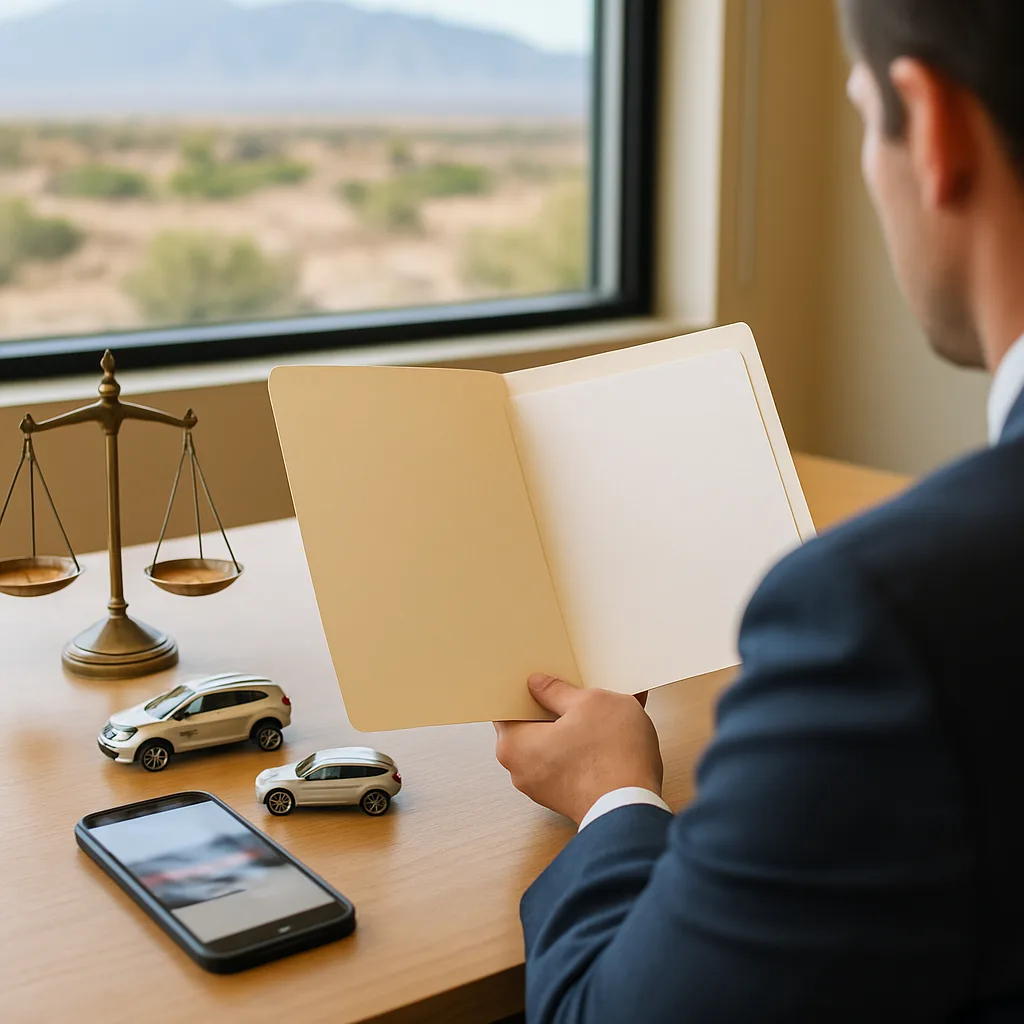
Albuquerque car accident claim denied response guide with vehicles and blank insurance letter

Evidence to Gather After an Albuquerque Crash Claim Denial

August 18, 2026

Receiving a denial letter or a settlement offer that seems far below your losses can be confusing, especially while you are managing vehicle damage, medical appointments, missed work, and calls from an insurance adjuster. If your Albuquerque car accident claim was denied or reduced, the insurer’s explanation and supporting records deserve careful review before you respond.

Insurance decisions can turn on disputed fault, questions about whether the crash caused an injury, policy exclusions, notice issues, or the documentation supporting your losses. The Crecca Law Firm helps Albuquerque-area residents understand the issues that may affect an injury claim. This guide explains what to read first, which records may help, what to avoid signing or saying, and when discussing the situation with a New Mexico injury attorney may be useful.

Why Was My Albuquerque Car Accident Claim Denied or Reduced?

An insurer’s letter may use broad language, but the reason for the decision usually fits into one or more identifiable categories. A denial is not necessarily a final determination of legal responsibility; it is the insurer’s stated position based on the information it reviewed. Likewise, a low offer may reflect disagreements about fault, damages, or available coverage rather than the full value of the claim.

Common explanations in a denial or low-offer letter

Look for language addressing:

  • Liability: The insurer may contend that its policyholder was not responsible, or that another driver, road condition, or factor contributed to the collision.
  • Comparative fault: New Mexico generally recognizes that more than one person may share responsibility, which can affect compensation depending on the facts and applicable law.
  • Causation: The insurer may question whether the crash caused a reported injury, particularly where symptoms appeared later or there was prior treatment.
  • Policy coverage: Exclusions, policy limits, late notice, or questions about who was covered may be raised.
  • Damages: The carrier may challenge medical charges, future care, lost income, vehicle losses, or other claimed expenses.

Read the entire letter, including attachments and deadlines. Identify the accident date, claim number, policy language cited, factual assumptions, and records the insurer says it considered. In Albuquerque, NM, the decision may also involve information from a crash report, repair estimate, medical records, or statements given during the claim process.

Organizing records after an Albuquerque car accident claim denial
Organizing claim records can help clarify the insurer’s stated position.

Records That May Help Evaluate a Denied or Reduced Claim

A careful response starts with a reliable file. The goal is not to overwhelm the insurer with unrelated material or make unsupported arguments. It is to organize documents that help address the specific reason given for the denial or reduction.

Consider gathering copies of:

  1. The denial or offer letter. Keep the envelope or electronic transmission if it shows when the decision was sent, and preserve all attachments.
  2. Crash information. This may include the police or crash report, photographs, videos, witness contact information, vehicle damage images, and insurance details exchanged after the collision.
  3. Medical records and bills. Records can help show dates of care, reported symptoms, diagnoses made by medical professionals, treatment, and charges. They should be reviewed for accuracy rather than selectively edited.
  4. Employment and income records. Pay information, work schedules, employer communications, or other documents may help evaluate a claimed period of missed work.
  5. Property-damage records. Repair estimates, invoices, towing records, rental-car receipts, and photographs may be relevant to vehicle losses.
  6. Communications. Save emails, letters, text messages, claim notes provided to you, and a dated log of calls with adjusters.

For a crash in Albuquerque or elsewhere in Bernalillo County, photographs may capture traffic signals, lane markings, sight distances, vehicle positions, or nearby businesses with potentially relevant camera footage. Conditions can change, so preserving what already exists may be important. Depending on the circumstances, an attorney may also assess whether additional investigation or expert analysis is appropriate.

Laws and insurance procedures in New Mexico can vary by situation and may change over time. Records should be evaluated in the context of the applicable coverage, liability rules, and any deadlines that may affect the claim.

How to Respond Without Weakening Your Position

After receiving a denial or low offer, many people feel pressure to answer immediately. A measured response can help keep the discussion focused on the insurer’s stated reasons instead of creating new disputes.

Practical communication precautions

  • Do not guess. If you do not remember a detail, say that you need to check your records rather than estimating.
  • Separate facts from conclusions. Describe what you observed, where vehicles were located, and what happened afterward without declaring a legal result you cannot support.
  • Avoid minimizing symptoms or losses. Casual comments such as “I am fine” or “it is only a small injury” may later be interpreted out of context.
  • Be cautious with recorded statements. An adjuster may request one, but the purpose and scope of the statement can matter. Depending on the circumstances, an attorney may advise on how to handle the request.
  • Do not sign a release casually. A settlement release may affect claims connected to the collision. Reviewing its language before signing can help you understand what rights you may be giving up.
  • Do not discard evidence. Keep damaged parts, photographs, bills, messages, and other potentially relevant records unless advised otherwise.

A written response may address each reason in the denial, identify supporting documents, and ask the insurer to clarify missing information. It is generally better to avoid unsupported accusations, inflated figures, or statements about medical conditions that only a qualified medical professional can evaluate.

If informal discussions do not resolve the disagreement, possible next steps can depend on the policy, facts, coverage, and procedural posture. A car accident lawyer for a denied claim may review the letter, investigate disputed issues, and explain potential options. In Albuquerque, NM, a lawyer may also consider how New Mexico rules on fault and damages apply to the available evidence. No attorney can promise a particular result.

Frequently Asked Questions

Can an insurer deny my claim because the police report does not support me?

A police or crash report may influence an insurer, but it is not always the only evidence considered. Reports can contain limited observations, statements from others, or information recorded before all facts were available. Photographs, witness accounts, vehicle damage, traffic-camera footage, and other records may provide additional context. The significance of a report depends on the facts and applicable New Mexico law.

What if the other driver’s insurance policy does not cover all of my losses?

Available coverage may be affected by policy limits, exclusions, the number of injured people, and other circumstances. Your own policy may contain coverage that is relevant, depending on its terms and the facts. Because insurance contracts and New Mexico requirements can be technical, reviewing the policies and the insurer’s position with a licensed attorney may help identify possible issues without assuming coverage exists.

Can I challenge a low settlement offer after accepting payment for vehicle damage?

It depends on what documents you signed, what the payment was intended to resolve, and whether separate releases or claim components were involved. Property damage and bodily injury issues may be handled separately, but the paperwork controls the analysis. Before accepting or signing anything further, consider preserving the offer, payment correspondence, and release language for review by a qualified attorney.

How long do I have to pursue a denied car accident claim in New Mexico?

Potential filing deadlines can depend on the claim type, parties involved, governmental entities, and other facts. Insurance negotiations do not necessarily stop every legal deadline. Since laws vary by location and may change, an Albuquerque claimant should avoid relying on a general online timeframe and may wish to discuss the accident promptly with a New Mexico attorney.

How The Crecca Law Firm Can Help

The Crecca Law Firm is dedicated to helping injured people understand the insurance-response process after an Albuquerque collision. The firm can review a denial letter or low offer, organize relevant records, examine disputed liability or causation issues, and explain legal options based on the available facts. Its team is committed to fighting for clients’ rights while communicating in a clear, practical manner.

If an insurer has denied or reduced your claim, contact The Crecca Law Firm for a free consultation or case evaluation. The firm is ready to evaluate your situation and discuss possible next steps without promising a particular outcome.

The information in this article is for educational purposes only and does not constitute legal advice. Contact a qualified attorney licensed in Albuquerque, NM for advice specific to your situation.
https://thecreccalawfirm.com/wp-content/uploads/2026/08/evidence-to-gather-after-an-albuquerque-crash-claim-denial-506-featured-publisher.webp 1024 1536 publisher https://thecreccalawfirm.com/wp-content/uploads/2023/03/logo-300x87.png publisher2026-08-18 09:02:162026-08-18 09:08:36Evidence to Gather After an Albuquerque Crash Claim Denial
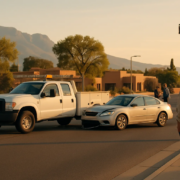
Albuquerque work vehicle accident lawyer article showing a delivery van and car near an intersection

Albuquerque Work Crash Lawyer: What Evidence Matters

August 18, 2026

A work vehicle may look like any other car or van after a collision, but the insurance and responsibility questions can be different. If you were hurt in a crash involving a delivery van, company car, utility vehicle, or contractor’s vehicle, you may reasonably ask: Who is responsible when an Albuquerque crash involves a work vehicle? An Albuquerque work vehicle accident lawyer can help explain how the driver’s work status, vehicle ownership, and available insurance may affect the analysis.

In Albuquerque, identifying the correct parties early can matter. The driver may not be the only person or entity involved. Depending on the facts, a claim may also involve an employer, vehicle owner, contractor, maintenance provider, or commercial insurer. The Crecca Law Firm provides guidance to people evaluating these issues after auto accidents. This article explains what responsibility may look like, what information to collect, and why the details of the work relationship matter.

Who May Be Responsible in an Albuquerque Work Vehicle Accident?

Responsibility usually depends on the specific conduct that caused the crash and the relationship between the driver and the business. A driver’s use of a vehicle for work does not automatically make the employer liable. However, the work connection may identify additional insurance policies or legal theories that would not be apparent from the driver’s personal information alone.

When an employer may be involved

Generally speaking, an employer may be considered responsible for an employee’s negligent driving when the employee was acting within the scope of assigned work. For example, the timing, route, destination, and purpose of the trip may matter. A driver making deliveries or traveling between work locations can present different facts from an employee using a vehicle entirely for a personal errand.

The employer’s potential responsibility is separate from the question of whether the driver personally caused the collision. In some cases, other issues may also be examined, such as negligent hiring, training, supervision, vehicle maintenance, or allowing an unsafe driver to use a company vehicle. These theories depend heavily on the available evidence and applicable New Mexico law.

When the vehicle owner or contractor matters

The business operating the vehicle may not own it. A fleet company, leasing company, individual owner, or separate contractor could hold title or control maintenance. Likewise, a delivery service may use independent contractors rather than traditional employees. Labels alone do not resolve the issue; the actual relationship, degree of control, contract terms, and work performed may be relevant.

Collecting vehicle and insurance details after an Albuquerque work vehicle crash
Preserving basic crash details can help identify the vehicle owner, employer, and insurer.

How Insurance and Local Claim Details Affect Responsibility

A company vehicle accident claim in New Mexico may involve more than one insurance policy. A commercial auto policy might cover a business-owned vehicle, while a contractor’s policy or the driver’s personal policy could also become relevant. Coverage depends on policy language, vehicle use, exclusions, insured status, and the facts of the collision. The existence of a commercial policy does not by itself establish fault.

After a crash in Albuquerque, information from the scene may help identify the responsible parties and insurers. When reasonably safe, consider collecting:

  • The driver’s name, contact information, and insurance details.
  • The business name shown on the vehicle, uniform, paperwork, or delivery materials, without putting yourself at risk.
  • The vehicle’s license plate, make, model, and any unit or fleet number.
  • Photographs of the vehicles, damage, roadway, traffic controls, and surrounding conditions.
  • Names and contact information for witnesses.
  • The approximate time, location, direction of travel, and apparent work purpose of the trip.
  • The responding agency and any incident or report information provided to you.

Do not assume that a logo or business name proves who employed the driver. It can be a useful lead, but ownership, employment, and insurance may need to be confirmed through records or investigation.

Albuquerque agencies and court considerations

The Albuquerque Police Department or another responding agency may document a collision, but a crash report is only one source of information. It may not identify every insurer, clarify whether the driver was working, or resolve disputed fault. Records from the vehicle owner, employer, contractor, leasing company, or commercial insurer may become important.

If a dispute cannot be resolved informally, a civil case may involve a New Mexico court serving Bernalillo County. Court procedures, filing requirements, and deadlines can vary by claim and location. Because New Mexico law and insurance rules may change, a licensed attorney can explain which procedures may apply to the circumstances.

What to Preserve After a Work Vehicle Crash

The first challenge is often party identification. A driver may provide only a personal insurance card even though the vehicle belongs to a business. A company may also use a contractor whose status is unclear. Promptly organizing the available facts can help prevent important details from being overlooked.

Build a focused evidence file

Keep copies or notes concerning:

  1. Photos and videos taken at the scene, including vehicle markings and the surrounding roadway.
  2. Medical and repair records you receive, while avoiding conclusions about diagnosis or future treatment.
  3. Communications from the driver, employer, insurer, or claims representative.
  4. Names of witnesses and a short description of what each person observed.
  5. The circumstances of the trip, such as a delivery, service call, commute, or personal detour, if known.
  6. Any available dashcam, doorbell-camera, business-camera, or mobile-device footage.

A commercial auto insurance injury claim may involve an adjuster seeking an early statement or requesting records. It is generally prudent to understand what is being requested before making statements about fault, injuries, or the value of a claim. Depending on the circumstances, an attorney may help evaluate communications and identify additional sources of evidence.

Common assumptions that can create confusion

Several assumptions may be incomplete. The person driving is not necessarily the vehicle owner. The vehicle owner is not necessarily the driver’s employer. A contractor is not automatically treated the same as an employee, and a company name on a van does not alone establish legal responsibility. These distinctions can affect who may be included in a claim and which insurance policy is available.

An Albuquerque work vehicle accident lawyer may investigate these questions by reviewing photographs, public business information, incident records, vehicle ownership details, employment or contractor documents, and insurance communications. That review does not guarantee a particular result, but it can help clarify the parties and issues that require attention.

Frequently Asked Questions

Does an employer always pay for an employee’s car accident?

No. Under general legal principles, an employer’s responsibility may depend on whether the driver was an employee, whether the driver was acting within the scope of work, and whether the employer’s conduct independently contributed to the crash. The facts may differ if the driver was on a personal trip, using a personal vehicle, or working as an independent contractor. New Mexico law may apply differently depending on the circumstances.

What if a delivery van driver was an independent contractor?

A contractor’s label is not always the end of the analysis. The parties’ actual relationship, the business’s control over the work, the vehicle’s ownership, contract terms, and the driver’s activities may all matter. A delivery van crash in Albuquerque may involve the driver, contracting business, vehicle owner, or one or more insurers. A fact-specific review is generally needed before responsibility can be assessed.

Can I make a claim against a commercial auto insurer?

Possibly, but an insurer is not automatically liable simply because it issued a policy. Coverage may depend on the policy, the insured parties, the vehicle’s use, and the facts of the collision. An insurer may investigate the claim and request information. A licensed attorney can explain how coverage questions and a potential commercial auto insurance injury claim may fit together under New Mexico law.

What if I do not know whether the other driver was working?

Start with the information available to you, such as photographs of the vehicle, the business name, the time and location of the collision, witness accounts, and what the driver said at the scene. A crash report may provide useful details but may not answer every employment or insurance question. Further investigation may be needed to determine whether the trip was work-related.

How The Crecca Law Firm Can Help

The Crecca Law Firm is dedicated to helping Albuquerque crash victims understand the parties, evidence, and insurance issues that may affect a work-vehicle claim. The firm is committed to fighting for clients’ rights while evaluating the facts carefully, including the driver’s work status, vehicle ownership, potential employer involvement, and available coverage.

If you were involved in a collision with a delivery van, company car, or contractor vehicle, the firm is ready to evaluate your situation and discuss your legal options. Contact The Crecca Law Firm for a free consultation or case evaluation.

The information in this article is for educational purposes only and does not constitute legal advice. Contact a qualified attorney licensed in Albuquerque, NM for advice specific to your situation.

https://thecreccalawfirm.com/wp-content/uploads/2026/08/albuquerque-work-crash-lawyer-what-evidence-matters-494-featured-publisher.webp 1024 1536 publisher https://thecreccalawfirm.com/wp-content/uploads/2023/03/logo-300x87.png publisher2026-08-18 08:15:482026-08-18 08:20:43Albuquerque Work Crash Lawyer: What Evidence Matters
Car accident lawyer cost discussion in Albuquerque, NM near a roadway

Understanding Car Accident Lawyer Costs in Albuquerque, NM

August 17, 2026

A crash can create expenses before you know whether an insurance claim will be accepted: vehicle repairs, medical appointments, missed work, and more. That makes it reasonable to ask, “What Does a Car Accident Lawyer Cost in Albuquerque, NM?”—especially if you are unsure whether hiring counsel requires money upfront.

In many personal injury matters, attorneys use a contingency-fee arrangement. That generally means the fee is tied to a recovery rather than an hourly invoice, but the percentage, expenses, and payment timing depend on the written agreement. A consultation may also be free, although readers should confirm that before scheduling.

The Crecca Law Firm helps Albuquerque-area readers understand the financial side of representation so they can ask informed questions. This guide explains how contingency fees work, what case expenses may arise, what contract language deserves attention, and how to compare written agreements without relying on assumptions about Albuquerque personal injury lawyer fees.

What Does a Car Accident Lawyer Cost in Albuquerque, NM?

There is no single price for every car accident claim. The cost may depend on the type of fee arrangement, the amount recovered, how disputed the claim becomes, and which expenses are needed to investigate and present it. A straightforward insurance claim may require different work from a case involving disputed fault, multiple insurers, serious injuries, or litigation.

How contingency fees generally work

A contingency fee is usually calculated as a percentage of money recovered for the client. If there is no recovery, the attorney may not receive a fee for legal services under the agreement, but that does not automatically mean the client owes nothing. Case expenses and contract language still matter.

The percentage may differ depending on whether the claim resolves before a lawsuit, after a lawsuit is filed, or at another stage. Some agreements also explain whether the percentage is calculated before or after certain expenses are deducted. These details can materially affect the amount the client receives.

Do accident lawyers charge upfront?

Many injury firms offer an initial consultation without charging a fee, and many handle qualifying car accident cases without requiring an upfront retainer. Neither practice should be assumed. Ask whether the consultation is free, whether any retainer is required, and what happens if the firm does not accept the case.

A written agreement should state the fee structure clearly. Comparing agreements from attorneys who handle New Mexico claims can help an injured person understand the practical difference between a percentage-based fee and other possible billing arrangements.

Reviewing a car accident representation agreement and legal fees in Albuquerque
A written representation agreement should explain fees, expenses, and payment timing.

Which Expenses Can Affect Albuquerque Personal Injury Lawyer Fees?

The attorney’s fee is only one part of the financial arrangement. A case can involve expenses paid to third parties or costs advanced during investigation. Depending on the circumstances, examples may include obtaining medical records, ordering an accident report, collecting photographs or video, using an investigator, obtaining expert opinions, or paying filing and service costs if litigation becomes necessary.

Not every case requires every expense. The important question is how the agreement treats them. It may explain whether the law firm advances costs, whether the client is responsible for repayment, and whether repayment comes from the recovery before or after the contingency fee is calculated.

Questions about expenses to ask before signing

  • Which expenses are likely in a claim like mine?
  • Does the firm advance those expenses, or do I pay them as the case progresses?
  • If there is no recovery, could I still owe case expenses?
  • Are outside professionals, records, postage, copying, or filing charges handled separately?
  • Will I receive an itemized accounting of deductions from any recovery?

The answers may differ among firms. An agreement that appears to have a lower percentage may handle expenses differently from one with a higher percentage. Looking at the complete financial arrangement is more useful than comparing one number in isolation.

For a crash investigated in Albuquerque, records may come from sources such as the Albuquerque Police Department, New Mexico agencies, medical providers, employers, or insurance companies. Gathering and reviewing those materials can require time and expense, particularly when the facts or damages are disputed.

How to Review a Car Accident Representation Agreement

A representation agreement is a contract. Before signing, read it carefully and ask for an explanation of any term you do not understand. The agreement should identify the scope of the representation and describe how fees and expenses are handled. Laws and professional requirements can vary by location and may change, so a New Mexico-licensed attorney should address questions about a specific contract.

Terms that deserve close attention

  1. The fee percentage: Confirm the percentage and whether it changes if a lawsuit is filed or the matter proceeds to trial.
  2. The calculation base: Determine whether the percentage is taken from the gross recovery or from the amount remaining after specified expenses.
  3. Case expenses: Identify which costs may be charged, who advances them, and when repayment is due.
  4. Responsibility at the end of representation: Ask what happens if you change attorneys, end the relationship, or reject a proposed resolution.
  5. Client decisions and communication: Understand who makes settlement decisions and how you will receive updates and documents.

A lawyer may also explain how settlement discussions, evidence review, and possible litigation affect the work involved. You generally remain the person who decides whether to accept a settlement, subject to the terms of your agreement and applicable professional rules.

Avoid choosing a lawyer based only on a broad statement such as “no fee unless we win.” That phrase may not explain case expenses, liens, reimbursement obligations, or how the fee is calculated. A useful comparison focuses on the complete written agreement and the firm’s explanation of it.

Frequently Asked Questions

Is a free consultation the same as free legal representation?

No. A free consultation usually means you can discuss the accident and possible representation without paying for that meeting. It does not necessarily mean all legal services will be free. If a firm accepts the case, fees and expenses are typically governed by a written representation agreement. Ask what the consultation includes and request a clear explanation of future costs before signing anything.

Can I hire a lawyer if the other driver’s insurer has not made an offer?

Possibly. A claim does not always need to have a settlement offer before an attorney evaluates it. The available insurance, accident evidence, injury documentation, and status of communications may all matter. An Albuquerque attorney can explain general options after reviewing the circumstances, but no lawyer can determine the value or likely resolution of a claim without case-specific information.

Will my lawyer’s fee be taken from my insurance payment?

It depends on the payment and the representation agreement. A contingency fee commonly applies to money recovered for the client in the claim the lawyer handles, but policies and agreements can address different sources of payment in different ways. Ask whether the agreement covers an uninsured or underinsured motorist claim and how any related recovery would be treated.

What if I already signed an agreement with another attorney?

The consequences of changing attorneys depend on the existing agreement, the work performed, and the stage of the matter. A new lawyer may need to review that contract before discussing representation. Because ending or transferring representation can affect fees and expenses, consider asking a qualified New Mexico attorney to explain the agreement and possible implications for your circumstances.

How The Crecca Law Firm Can Help

The Crecca Law Firm is dedicated to helping injured people understand their options after a motor vehicle collision. The firm is committed to fighting for clients’ rights while explaining the claims process, potential fee arrangements, case expenses, and important representation-agreement terms in understandable language.

If you are comparing Albuquerque personal injury lawyer fees or want to know whether a contingency arrangement may fit your situation, the team is ready to evaluate your circumstances. Contact The Crecca Law Firm for a free consultation or case evaluation and bring any fee agreement or insurance correspondence you want to discuss.

The information in this article is for educational purposes only and does not constitute legal advice. Contact a qualified attorney licensed in Albuquerque, NM for advice specific to your situation.
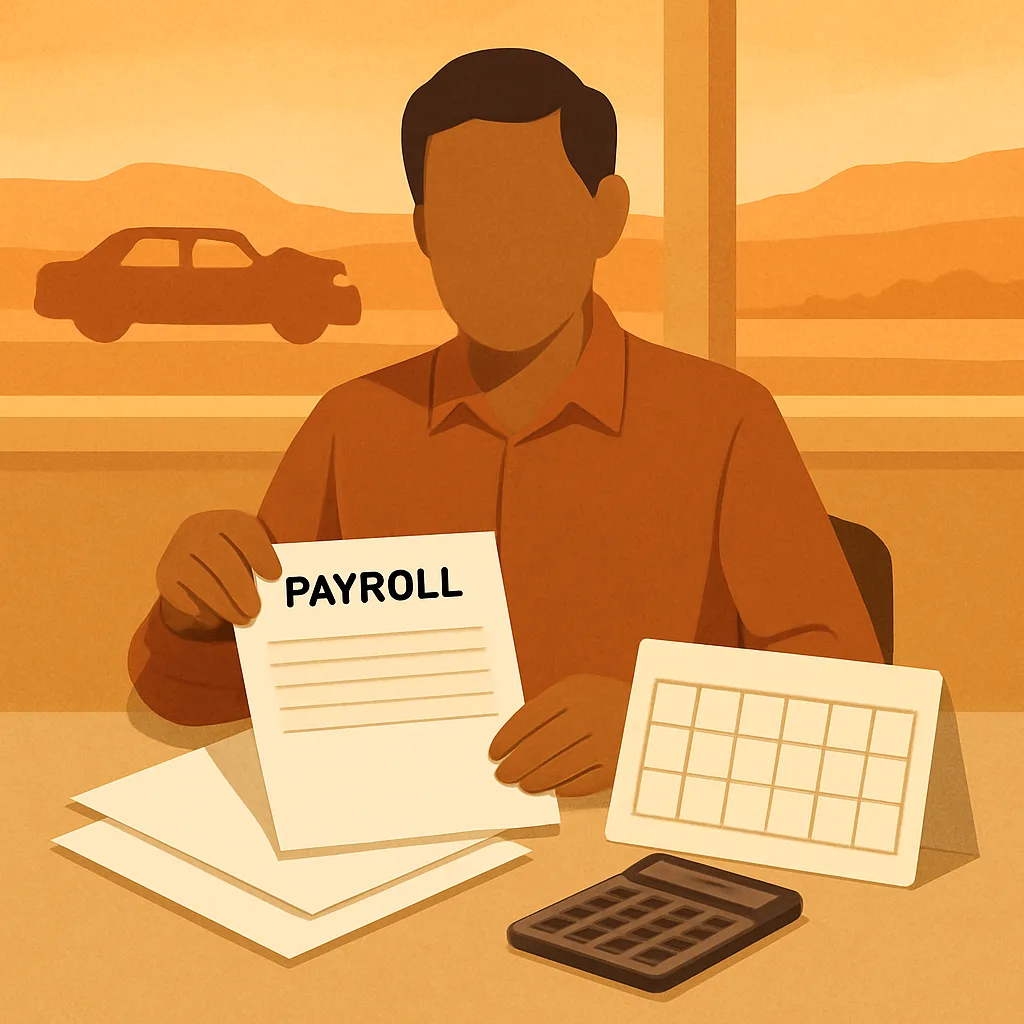
https://thecreccalawfirm.com/wp-content/uploads/2026/08/car-accident-lawyer-cost-albuquerque-nm-450-featured-publisher.webp 1024 1536 publisher https://thecreccalawfirm.com/wp-content/uploads/2023/03/logo-300x87.png publisher2026-08-17 09:01:502026-08-17 09:08:37Understanding Car Accident Lawyer Costs in Albuquerque, NM
Albuquerque intersection accident evidence scene with vehicles, traffic signals, and roadway details

Albuquerque Intersection Accident Evidence: Preserve It

August 17, 2026

An intersection collision can leave two drivers with very different accounts of what happened. One may say the light was green; the other may remember a protected turn arrow, a sudden lane change, or poor visibility caused by weather or construction. If you are asking what evidence should you preserve from Albuquerque intersection crashes, the most useful information often shows where each vehicle was, what each driver could see, and how the signal or roadway changed over time.

Evidence can disappear quickly. Skid marks fade, vehicles are repaired, nearby video may be overwritten, and witnesses may forget details. The Crecca Law Firm can help Albuquerque drivers understand which information may matter and how it may fit into an injury or property-damage claim. This guide covers scene photographs, signal phases, lane positions, witnesses, nearby businesses, traffic-camera footage, signage, visibility, and changing road conditions. It is general information, not a substitute for advice about a particular collision.

What Albuquerque Intersection Accident Evidence Can Show

Intersection disputes are rarely limited to the question of who had the right of way. A careful review may also consider whether a driver entered from a turn lane, whether a signal had changed, whether a stop line was visible, and whether road design or visibility affected what a person could reasonably observe.

Photograph the scene from more than one angle

If it is safe and you are physically able to do so, take photographs soon after the crash. Try to capture:

  • The overall intersection and approaches from each direction
  • Vehicle positions, debris, skid marks, and visible fluid or tire marks
  • Stop lines, crosswalks, turn arrows, lane dividers, and traffic signs
  • Obstructions such as trees, construction equipment, parked vehicles, or sun glare
  • Damage to each vehicle, including close views and wider views showing location

Do not enter moving traffic or put yourself at risk to obtain a photograph. If injuries or unsafe conditions prevent scene documentation, photographs taken later may still help show roadway layout, although the scene may have changed.

In Albuquerque, NM, intersections along busy corridors such as Central Avenue, Coors Boulevard, or Montgomery Boulevard may have multiple through lanes and turn movements. A wide photograph can preserve context that a close-up image of vehicle damage cannot.

Photographing lane positions and traffic signals after an Albuquerque intersection crash
A wide scene photograph can preserve lane positions, signal placement, and roadway visibility.

Preserve location and timing information

Record the approximate time of the collision, direction of travel, intended movement, and the lane used by each vehicle. A simple hand-drawn diagram can help, even if it is not to scale. Note whether the light was steady, flashing, or changing, and whether a protected turn arrow appeared to be operating.

Signal Phases, Roadway Design, and Outside Records

A traffic-light accident claim in Albuquerque may involve more than the drivers’ memories. Signal timing, turn phases, roadway markings, and visibility can all affect how a collision occurred. However, the availability and retention period for any public or private record can vary. An attorney may help identify potentially relevant sources and evaluate whether a formal preservation request is appropriate under the circumstances.

Potential sources may include:

  1. Traffic signal or roadway records. Depending on the intersection and record custodian, information may be held by the City of Albuquerque, Bernalillo County, or another transportation agency. The existence, format, and retention of signal data are not the same at every location.
  2. Traffic-camera or business video. A camera may show vehicle movement, signal color, or lane use, but many systems automatically overwrite footage. Ask nearby businesses, property managers, or public agencies whether relevant video exists, without assuming that a camera captured the collision or that access is guaranteed.
  3. Crash and emergency records. Reports or dispatch-related information may help establish time, location, and responding agencies. These records may contain observations, but they are not necessarily a complete account of every disputed fact.
  4. Roadwork and maintenance information. Construction plans, temporary traffic controls, signal outages, or maintenance activity may help explain unusual lane markings or visibility conditions.

When requesting or preserving video, identify the date, approximate time, direction of view, and intersection. Do not edit the original file. Keep the original format when possible and make a separate working copy for review. If a business cannot provide a copy, note whom you contacted and what you were told. Depending on the circumstances, a lawyer may consider additional steps to preserve evidence.

Local context matters. A collision investigated by the Albuquerque Police Department may involve different records from one investigated by another agency, and a roadway near a city boundary may involve different custodians. New Mexico legal procedures and deadlines can also affect how evidence is obtained and used, so location-specific guidance is important.

Common Preservation Mistakes After an Intersection Crash

Even well-intentioned drivers can lose useful information without realizing it. The following practices may reduce confusion when organizing evidence, although they do not replace advice from a qualified New Mexico attorney.

Avoid relying only on memory

Write down what you recall as soon as practical, including the signal you observed, your lane, your speed estimate, weather, lighting, and what happened immediately before impact. Distinguish what you personally saw from what another person told you. Do not guess about facts you cannot remember.

Keep original files and related records

Preserve unedited photographs, videos, dashcam files, text messages, and emails relating to the crash. Keep copies of towing, repair, rental, and insurance communications. Avoid posting detailed statements or photographs about the collision on social media, because a post may not reflect the full context and can complicate later discussions.

Gather witness details promptly

Intersection crash witnesses may leave before law enforcement finishes its investigation. When possible, record a witness’s name, phone number, email address, and a brief description of where the person was located. Ask open-ended questions rather than suggesting an answer. A passenger, pedestrian, cyclist, delivery worker, or employee in a nearby business may have observed a different part of the event.

Track changing conditions

Road conditions can change quickly after an Albuquerque collision. Photograph or describe rain, dust, standing water, glare, darkness, temporary barriers, missing signs, lane closures, or fresh pavement. Note when the condition was observed. A later visit may show a repaired signal, removed construction equipment, or repainted markings that were not present at the time of impact.

Preserving evidence does not mean altering the scene, confronting another driver, or attempting to investigate while unsafe. Generally, the priority is safety, medical attention, required reporting, and careful documentation when it can be done safely.

Frequently Asked Questions

Can I preserve traffic light evidence if I do not know which agency controls the intersection?

Yes, you can begin by documenting the exact intersection, travel direction, lane, date, and approximate time. The City of Albuquerque, Bernalillo County, the New Mexico Department of Transportation, or another entity may be involved depending on the roadway. Because record custodians and retention practices vary, an attorney may help identify the appropriate source and discuss preservation options under New Mexico law.

What if a nearby business refuses to give me its security video?

A business may have privacy, policy, or technical reasons for not releasing footage directly. You can still record the business name, location, the person contacted, and the approximate camera direction if known. Avoid arguing with employees or trespassing to obtain video. Depending on the circumstances, a lawyer may evaluate whether another lawful method could be used to seek or preserve potentially relevant footage.

Are photographs taken days after an Albuquerque crash still useful?

They may be useful for showing intersection layout, signage, sight lines, or permanent roadway features. They may not accurately show temporary conditions that existed on the collision date, such as debris, weather, construction controls, or a signal malfunction. Label later photographs with the date taken and explain what they are intended to show. Keeping both immediate and later documentation can help distinguish changing conditions.

What should I do if witnesses do not want to become involved?

Respect a person’s decision and avoid pressuring the witness. If the person is willing, obtain accurate contact information and record only what the witness volunteers. Do not coach the witness or ask for a statement that favors one driver. An attorney can later explain how witness information may be evaluated, while the witness—not another participant—should describe what they personally observed.

How The Crecca Law Firm Can Help

The Crecca Law Firm is dedicated to helping Albuquerque, NM, drivers understand the evidence that may matter after an intersection collision. The firm can review available photographs, diagrams, witness information, vehicle records, and communications, while considering disputed signal phases, turn lanes, visibility, and roadway conditions. It is committed to fighting for clients’ rights through a careful, fact-based process and is ready to evaluate your situation. Contact The Crecca Law Firm for a free consultation or case evaluation to discuss your legal options.

The information in this article is for educational purposes only and does not constitute legal advice. Contact a qualified attorney licensed in Albuquerque, NM for advice specific to your situation.
https://thecreccalawfirm.com/wp-content/uploads/2026/08/albuquerque-intersection-accident-evidence-preserve-438-featured-publisher.webp 1024 1536 publisher https://thecreccalawfirm.com/wp-content/uploads/2023/03/logo-300x87.png publisher2026-08-17 08:13:492026-08-17 08:20:34Albuquerque Intersection Accident Evidence: Preserve It
Page 6 of 14«‹45678›»

Recent Posts

  • What Might Discovery Ask in an Albuquerque Lawsuit?
  • When Should Multiple Claimants Review Albuquerque Limits?
  • What Fees Does an Albuquerque Car Accident Lawyer Charge?
  • What Shapes an Albuquerque Car Accident Claim Timeline?
  • Can Albuquerque Freelancers Claim Lost Income After Crashes?

Contact Us

ADDRESS

3200 Monte Vista Blvd NE,
Albuquerque, NM 87106

PHONE

505-766-9999

EMAIL

info@thecreccalawfirm.com

Contact Us


    Please prove you are human by selecting the flag.


    Popular Links

    • Home
    • About Us
    • Blog

    Practice Areas

    • Asbestos Cases
    • Nursing Home Negligence
    • Wrongful Death
    • Phone

      505-766-9999

    • Email

      info@thecreccalawfirm.com

    • Address

      3200 Monte Vista Blvd NE,
      Albuquerque, NM 87106

    The Crecca Law Firm is located in Albuquerque and represents clients and takes injury claim cases throughout the entire state of New Mexico.
    The information on this Law Firm website is for general information purposes only. Nothing on this or associated pages, documents, comments, answers, emails, or other communications should be taken as legal advice for any individual case or situation. This information on this website is not intended to create, and receipt or viewing of this information does not constitute, an attorney-client relationship.
    Copyright 2023 The Crecca Law Firm | All Rights Reserved |
    Legal Marketing Solutions by USAttorneys.com
    • Facebook
    • Areas Served
    • Sitemap
    Scroll to top