

No Win No Fee Accident Lawyer Explained
The phone rings a few days after the crash. It is the insurance adjuster, sounding polite, asking for a statement, hinting that they can move things along quickly. Meanwhile, your car is damaged, your body hurts, your paycheck is shrinking, and you are supposed to make smart legal decisions while running on stress. That is exactly why many injured people look for a no win no fee accident lawyer. They need real legal help now, not another bill.
A no win no fee arrangement means you do not pay attorney fees up front for your injury case. The lawyer gets paid only if they recover money for you through a settlement or verdict. If there is no recovery, there is no attorney fee. For people dealing with medical bills, lost wages, and pressure from the insurance company, that is not just convenient. It can be the difference between getting strong representation and going without it.
How a no win no fee accident lawyer actually works
The basic idea is simple, but the details matter. In a contingency fee case, your lawyer agrees to take on the financial risk of pursuing your claim. Instead of billing by the hour, the lawyer’s fee comes out of the recovery at the end of the case.
That changes the balance of power right away. Insurance companies know that many injured people cannot afford to pay a lawyer hourly while also paying for treatment, repairs, and daily life. A contingency arrangement removes that barrier. It lets regular people put a trained advocate in their corner without having to fund the fight out of pocket.
It also aligns incentives, at least in a broad sense. Your lawyer has a direct reason to build a strong case, prove the full extent of your losses, and push back when the insurer tries to undervalue your claim. A weak offer does not help you, and it does not help a lawyer whose fee depends on the result.
Still, no fee up front does not mean no questions asked. A good accident lawyer will evaluate liability, damages, insurance coverage, and the practical value of the claim before agreeing to take it on contingency. That is not a red flag. It is a sign they understand what it takes to win.
What no win no fee does and does not cover
This is where people get tripped up. When lawyers say no win no fee, they are usually talking about attorney fees. That is not always the same thing as case costs.
Case costs can include filing fees, medical record charges, deposition expenses, expert witness fees, and investigation costs. Some firms advance these expenses and recover them from the settlement or verdict later. Others may handle costs differently. The only safe move is to ask for the fee agreement in plain English and make sure you understand who pays what, when, and under what circumstances.
That does not make contingency representation risky by default. It means you should know the terms before signing. A trustworthy lawyer will explain the agreement clearly, answer your questions directly, and not bury key details in legal jargon.
Why accident victims choose this model
After a serious wreck, most families are not worried about abstract legal theory. They are worried about rent, treatment, missed work, childcare, and whether the insurance company is setting them up to settle cheap. A contingency fee model speaks to that reality.
First, it opens the courthouse doors to people who otherwise might not have legal representation. Second, it gives injured victims a chance to resist lowball tactics. Third, it signals that the lawyer is willing to invest time and resources into the case before getting paid.
That said, the model is not magic. It does not guarantee a fast settlement or a huge payout. It simply means your lawyer is not charging you attorney fees up front. The value of your case still depends on the facts, the severity of your injuries, the available insurance, the quality of the evidence, and whether the defense believes your lawyer is ready to go to trial.
That last point matters more than many people realize. Some firms advertise hard but settle soft. Insurance companies notice. If a law firm is known for folding early, the defense has less reason to pay full value. Trial readiness changes the conversation.
When a no win no fee accident lawyer is especially important
Minor fender benders with no real injuries usually do not require a legal war. But many cases are not minor, even when the insurer tries to label them that way.
You should take contingency representation seriously if your injuries are significant, if liability is disputed, if multiple vehicles are involved, if a commercial truck or company driver caused the crash, if there is a drunk driver, or if the insurer is delaying, denying, or pressuring you. The same is true if you are dealing with a wrongful death claim or long-term injuries such as brain trauma, burns, spinal damage, or chronic pain.
In those situations, the stakes are too high to trust the process to the insurance company. Their business model is built around paying as little as possible. They may sound helpful while gathering statements, looking for inconsistencies, or pushing you toward a number that does not come close to covering what the case is worth.
What to ask before hiring a lawyer
Not every contingency fee lawyer brings the same strength to the table. You want more than a free consultation and a friendly intake process. You want to know who will actually handle your case and whether they are prepared to fight when the insurer gets difficult.
Ask whether you will have direct access to an attorney. Ask how often you will get updates. Ask whether the firm actually tries cases. Ask how they handle costs. Ask what kinds of accident claims they handle most often. Ask what they see as the strongest and weakest parts of your case.
Pay attention to how they answer. Vague reassurance is easy. Clear, confident answers are harder. A strong lawyer will not promise a result they cannot guarantee, but they should be able to explain a strategy, identify pressure points, and tell you what needs to happen next.
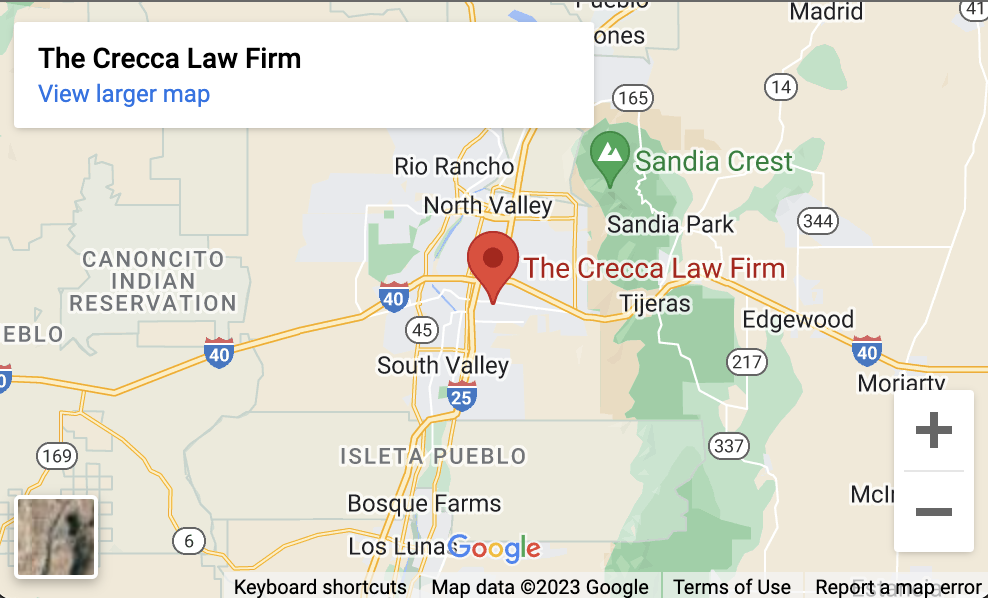
For injured people in New Mexico, that combination of accessibility and courtroom strength matters. Firms such as The Crecca Law Firm build their reputation on exactly that mix – direct attorney access, aggressive advocacy, and a willingness to take on insurers and corporate defendants without asking clients to fund the fight up front.
Common myths about no win no fee cases
One myth is that contingency fee lawyers only want easy cases. The truth is more complicated. Good lawyers want strong cases, but strong does not always mean easy. Some of the most serious claims involve contested liability, difficult medical issues, or stubborn insurance carriers. A firm may still take those cases if the facts, damages, and proof support the risk.
Another myth is that you will always keep more money by handling the case yourself. Sometimes that is false. A person without legal counsel may accept a low offer, miss future damages, overlook additional insurance coverage, or make statements that hurt the claim. Even after fees and costs, a better recovery can leave the client in a stronger position.
A third myth is that filing a claim means filing a lawsuit immediately. Often, it does not. Many claims begin with investigation, treatment review, evidence gathering, and settlement negotiations. But if the insurer refuses to act reasonably, a lawyer who is prepared to sue and try the case has real leverage.
The real question is not cost – it is value
When people search for a no win no fee accident lawyer, they are often asking two questions at once. Can I afford legal help, and will this lawyer actually protect me?
The first question matters, but the second one matters more. The cheapest lawyer is not a bargain if they miss evidence, ignore calls, push a quick settlement, or treat your case like a file number. In personal injury law, value comes from pressure, preparation, communication, and the ability to make the other side take your claim seriously.
If you have been hurt because someone else acted carelessly, you should not have to choose between paying your bills and getting legal help. A contingency fee arrangement exists to level that field. It gives injured people a path to justice when the defense has money, lawyers, and a plan to minimize the damage.
Take your time before signing anything with the insurance company. Ask hard questions. Read the fee agreement. Choose a lawyer who treats your case like it matters because it does. The right advocate does more than remove the upfront cost. They help you push back when powerful companies think your pain is just another number.



Leave a Reply
Want to join the discussion?Feel free to contribute!