
US Tennis Player Wins Slip And Fall Lawsuit
If you’ve been hearing the name Eugenie Bouchard in the news recently, it is for good reason. She was formerly ranked 5th in the world among women’s tennis players in 2014, and was coming off a tremendous season that saw successful stints in some of the major events on the tennis calendar. While her 2015 season wasn’t as noteworthy, she was still a successful player — until September.
In that month, she was completing a mixed doubles match at the U.S. Open. After the match, she went to the locker room to get to the physiotherapy area. During this walk, she slipped and fell on a foreign, slippery substance which has since been identified as “Oasis 299.” This is a cleaning product, and it clearly wasn’t applied or utilized properly. Bouchard suffered a concussion that derailed her career, and the substance also burned her skin after she fell.
Bouchard sued the U.S. Tennis Association, and this week her case was finally heard. A jury determined the USTA was 75 percent at fault for the slip and fall, and though it is unknown at this time exactly what the monetary reward will be, Bouchard and her attorneys were seeking “millions and millions” in damages.
The point of this story is to show how a slip and fall incident is so dangerous. It can change the life of the victim, causing serious pain, mental anguish, and damage to their career. When a slip and fall happens, the victim must consider their legal rights and prepare to hold the negligent parties involved in the matter responsible.
Source: Deadspin, “Jury Finds USTA Liable For Eugenie Bouchard’s Slip And Fall In U.S. Open Locker Room,” Giri Nathan, Feb. 22, 2018
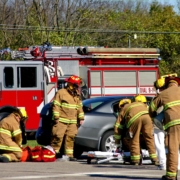
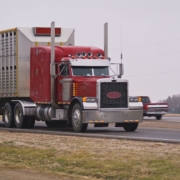
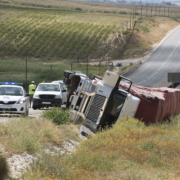
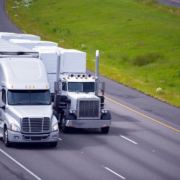
 It was just three days before Christmas when a pair of semi trucks collided on I-40 outside of Albuquerque. The crash occurred when one of the 18-wheelers crossed the center median and drove into oncoming traffic. A passenger in the other semi-truck was killed, three others were taken to the hospital, one with critical injuries. Police believe the driver was fatigued and may have fallen asleep.

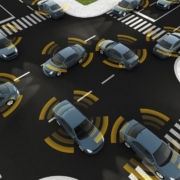
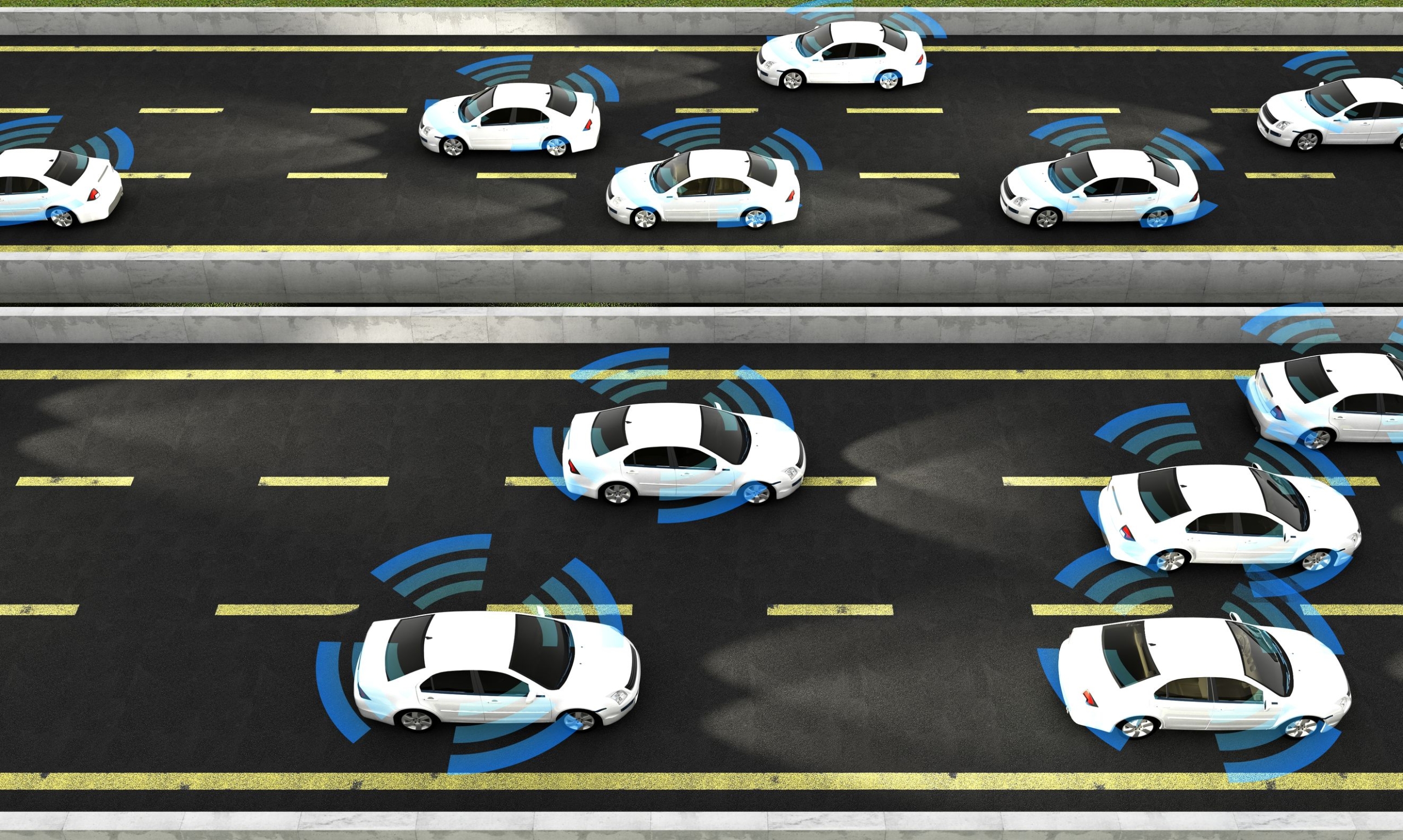 Tesla is quick to deflect blame. They note that “its autopilot system is not fully autonomous,” and that drivers are informed that they are expected to be “fully attentive” behind the wheel because they are ultimately responsible for any accidents that happen.

 Concussions and broken bones figure as