
When Crowds Attack
To be in a crowd is, in many cases, to be at risk. At musical festivals, sporting events, political rallies thousands suffer injuries, and several dozen people die, each year. The dangers are often unavoidable. Individuals are, quite literally, swept up in a crowd; it is difficult to keep control of one’s movements, or to prevent unwanted outcomes.
In some cases, site owners or property managers may be held legally responsible for the injuries one incurs. After all, owners are bound by law to maintain reasonably safe premises. If they fail to take the required precautions, or fail to inform attendees of certain dangers, they may be found at-fault in court.
Such scenarios are somewhat rare, however. Concert halls, sports stadiums, and similar venues are usually careful about legal liability. Nevertheless, that doesn’t mean they don’t have lapses. Still, the best means of preventing injury or death is to know for oneself how to stay safe.
Asphyxiation is the most common cause of death
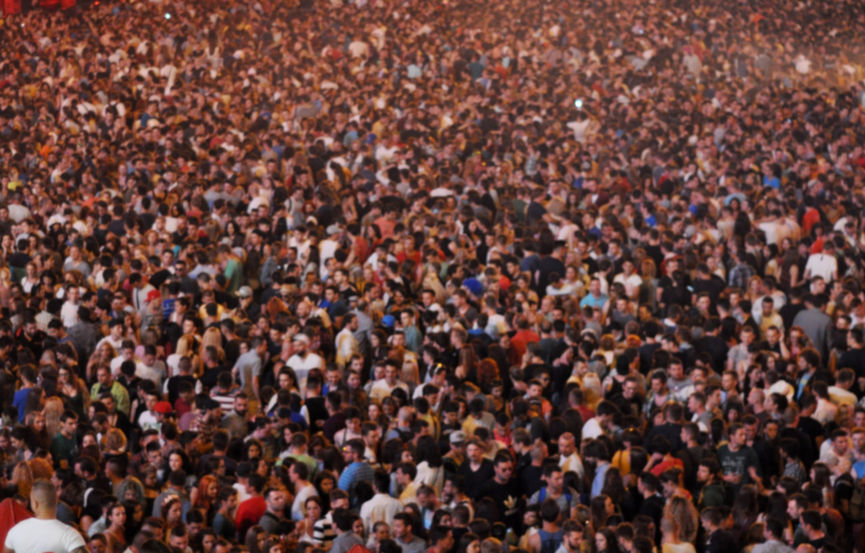 According to recent research, the majority of crowd deaths are due to “compressive asphyxia” – that is, people get packed in so tightly, and so much pressure is put on their lungs, that they are unable to breathe. This is surprising, as the fatalities most associated with crowds tend to arise from trampling; yet evidence overwhelmingly indicates that suffocation is the leading cause. In some situations, individuals endure forces of more than 1,000 pounds of pressure – enough to bend steel railings, and to render respiration impossible.
Hazardous environments also play a role. Venues often use ‘maximum pedestrian capacity’ to guide their designs. That is, they allocate a certain amount of square footage for each expected visitor. But this leads to problems. In real life, people don’t stick to their allotted square footage – they crowd each other. At concerts, people tend to crowd the stage, leaving a vast amount of empty space at the rear. Such an arrangement causes dangers pressure to be put on concertgoers in the middle of the crowd, while making it nearly impossible to escape.
Is it possible to stay safe?
An article in Popular Science notes that “researchers are reluctant to give explicit advice about how to behave in emergency [crowding] situations.” Still, many experts note the importance of remaining calm. One researcher, a professor of crowd science at Manchester Metropolitan University, has said that “if a person can calm down even for a few moments to assess the situation, they have a better chance of survival…People running without thinking, that has been the cause of many different serious injuries lately. Assess, don’t react. It might only take a few seconds to change your outcome.”
Statistics suggest that this is easier said than done. To keep one’s cool in a moment of panic takes an extreme amount of restraint. It’s important to keep in mind, but it may be more important still to understand the risks inherent in entering a crowd in the first place.

 In some cases these incidents are purely accidental. At other times, the manufacturer of a certain good may be at fault for the injuries caused. Ikea, for example, was compelled to recall more than 17 million chests and dressers after their toppling led to the deaths of eight children.
 A
A 
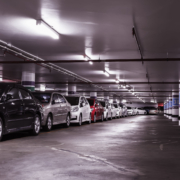
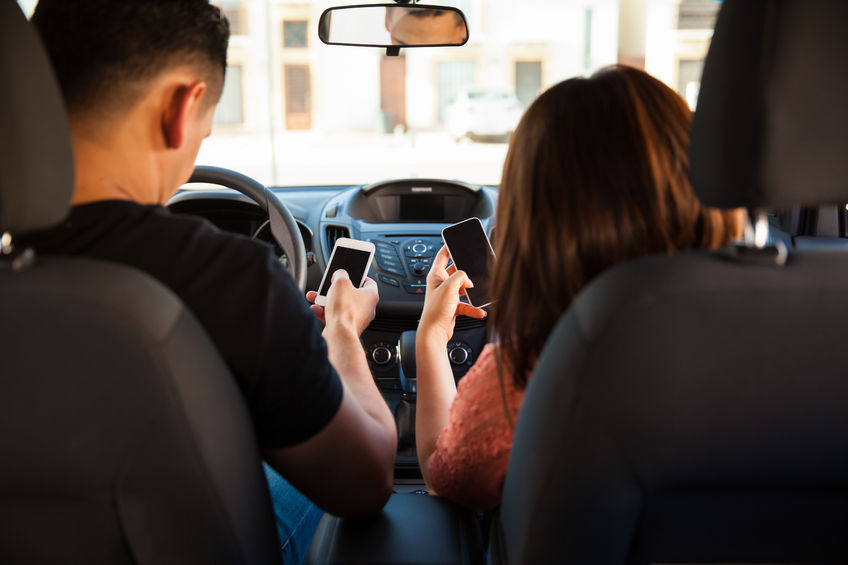 Indeed, the statistics are staggering. A recently conducted survey revealed that two-thirds of drivers were comfortable talking on their phones while in a parking lot, and about half of all drivers would text, email, scan social media, or watch online videos. Grooming-while-parking also figured as a common (and commonly hazardous) behavior.
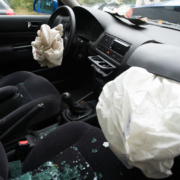
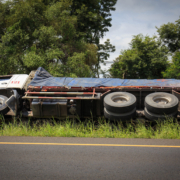

 Vicarious liability and negligent entrustment relate to the liability of one party for an accident that another party causes. These legal theories may come into play if someone loans a vehicle to a friend who is known to be a bad driver. They could also come into play if the employee of a company causes a car accident while on duty.
 Potholes can also cause serious tire and suspension damage that can cause a vehicle to lose control at an unexpected moment. Therefore, it’s best to avoid driving over leaves in the road if possible or at least slowing down if you can’t avoid them.