
Which Receipts Show Changed Support Costs in Albuquerque?
A crash can affect far more than a vehicle and a medical bill. If pain, limited movement, medical appointments, or provider-imposed restrictions make it difficult to cook, clean, drive children, maintain a home, or run ordinary errands, the value of that lost capacity may matter in a personal injury claim. For an overview, see the main categories of accident compensation damages.
In other words, which home services can an Albuquerque crash claim cover? In Albuquerque, NM, household services damages may involve the reasonable value of tasks an injured person could not perform, the cost of hiring help, or related caregiving and transportation expenses. The answer depends on the facts, available proof, the nature of the injury, and how New Mexico law applies to the claim.
The Crecca Law Firm helps readers understand how to organize this often-missed category of loss. This article explains what household services damages may include, how to connect them to the crash, and how to document chores, childcare, home maintenance, transportation, and replacement services.
What Household Services Damages May Include After an Albuquerque Crash
Household services damages generally concern useful work a person regularly performed before an injury but could not perform, or could perform only with substantial difficulty, afterward. They are different from medical bills and lost wages, although medical records and work restrictions may help show why the services changed.
Domestic tasks and home maintenance
Potential examples may include:
- Meal preparation, grocery shopping, laundry, and cleaning
- Yard work, snow or debris removal, and routine home maintenance
- Caring for children or other household members
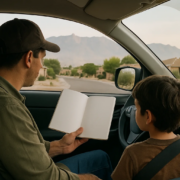
- Driving family members to school, activities, appointments, or errands
- Personal errands that require lifting, standing, bending, walking, or driving
The claim is not necessarily limited to invoices. A person may have performed these tasks without paying anyone before the crash. Depending on the circumstances, the relevant question may be the reasonable value of the services lost, even when a relative or friend provided unpaid assistance. That does not mean every household task automatically becomes compensable. The services generally must be connected to the injury and supported by credible evidence.
Paid help and unpaid assistance
If a household hires a cleaner, caregiver, lawn service, driver, or other provider, preserve invoices, payment records, dates, and descriptions of the work. If family members provide help without charging, create a record of who helped, what they did, how often, and for how long. A written statement from a person familiar with the injured individual’s normal responsibilities may also help establish the before-and-after difference.
The value of a service should be approached carefully. Local market rates, the complexity of the task, the time required, and whether the task was actually necessary can all matter. An attorney evaluating a claim may distinguish ordinary household spending from crash-related replacement services.
How to Document Chores, Childcare, Transportation, and Replacement Help
Strong documentation connects three points: what the injured person normally did, what changed after the crash, and what the change cost or was reasonably worth. Starting this process in Albuquerque, NM, soon after the collision can be more reliable than trying to reconstruct months of missed chores later. A day-by-day or week-by-week record can also fit naturally into the New Mexico personal injury case timeline.
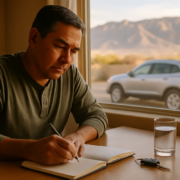
Build a before-and-after service log
A useful log can include:
- The task, such as cooking, lifting laundry, driving, bathing a child, or yard work.
- The person who normally performed it before the crash.
- The usual frequency and estimated time required.
- The date the injured person stopped, reduced, or modified the task.
- Who performed the task afterward and whether the help was paid or unpaid.
- Any invoice, receipt, mileage record, or other supporting document.
The log should be accurate rather than exaggerated. It may be helpful to describe specific limitations without making a medical diagnosis. For example, a person might record that a provider restricted lifting or that sitting for a long drive was difficult, then identify the childcare or transportation task that changed as a result.
Keep service losses separate from medical expenses
Treatment records can corroborate timing and restrictions, but household-service losses should be tracked separately from medical charges. Preserve discharge instructions, work or activity restrictions, appointment dates, and provider notes when available. For guidance on organizing medical bills after an Albuquerque car accident, keep those records in a separate folder while cross-referencing the dates that explain why help was needed.
Transportation deserves its own category. Save rental invoices, rideshare receipts, public transportation costs, mileage logs, parking receipts, and a short explanation of why each trip was crash-related. A person should distinguish ordinary commuting or family travel from substitute transportation made necessary by an inability to drive, a damaged vehicle, or medical appointments. Information about recoverable rental car and substitute transportation expenses may help organize this part of the claim.
How New Mexico Claims May Evaluate Household-Service Losses
In New Mexico personal injury matters, the value of household labor is typically fact-specific. A claim may involve questions about causation, the duration of the limitation, the reasonableness of replacement costs, and whether the services were actually needed. Insurance adjusters may also ask for information showing that the claimed tasks were performed before the collision and were reduced because of the injury rather than convenience or unrelated circumstances.
For an Albuquerque claim, useful evidence may include:
- Calendar entries showing childcare, appointments, household projects, or canceled activities
- Statements from household members, neighbors, coworkers, or paid helpers
- Cleaning, caregiving, landscaping, delivery, rental, or rideshare invoices
- Photos or other records showing ordinary home responsibilities before the crash
- Medical restrictions and treatment dates that correspond with the service-loss period
- Bank, payment, or mileage records supporting replacement expenses
Common documentation mistakes
One common mistake is recording only paid bills. Unpaid family assistance can still be relevant to the history of what changed, even though the legal valuation may require careful analysis. Another mistake is using a round number without explaining the tasks, dates, frequency, or rate behind it. A third is waiting until an insurer requests proof, when memories and receipts may already be incomplete.
If an initial demand or offer does not account for domestic labor, caregiving, or transportation, compare it with the records you have assembled. This may help explain why an Albuquerque crash settlement offer may be too low, although an offer’s adequacy depends on the full claim and applicable law. If a claim has been denied, a focused collection of evidence to gather after an Albuquerque crash claim denial may help identify gaps for further evaluation.
A lawyer may also examine whether the claimed services overlap with wage loss, medical needs, vehicle-related transportation costs, or another damages category. Keeping categories distinct can make the overall presentation clearer and reduce the risk that an important loss is buried in a single unexplained total.
Frequently Asked Questions
Can unpaid family help count as loss of household services after a car accident?
It may be relevant. A household member or relative does not necessarily erase the fact that the injured person could no longer perform customary chores, childcare, driving, or maintenance. The claim still needs evidence of the tasks, timing, limitations, and reasonable value. New Mexico law and the facts of the individual claim determine whether and how that loss may be included.
Are childcare expenses always covered after an Albuquerque crash?
No. Childcare or caregiving costs are not automatically recoverable simply because a crash occurred. The expense generally needs a connection to the injury and the period when the injured person could not safely or reasonably provide the usual care. Keep provider invoices, dates, payment records, and an explanation of the changed caregiving responsibilities. A qualified attorney can assess how the expense fits the claim.
What if I did not save receipts for household help?
Receipts are useful but may not be the only evidence. A contemporaneous task log, calendar, helper statement, payment history, mileage record, photographs, and medical restrictions may help reconstruct what happened. The reliability of alternative proof varies. Avoid guessing or inflating amounts; explain what you know, identify what is estimated, and preserve any records that can corroborate the timeline.
Can transportation costs be claimed separately from household services?
They may be analyzed separately because substitute transportation has a different basis from lost domestic labor. Potential records include rental agreements, rideshare receipts, mileage, parking, and public transportation costs. The key issue is usually whether the expense was reasonably connected to the crash, injury, vehicle loss, or treatment. The applicable facts and New Mexico law determine whether a particular cost may be included.
How The Crecca Law Firm Can Help
The Crecca Law Firm is dedicated to helping Albuquerque, NM, crash victims identify and organize the full scope of an injury claim, including losses that are easy to overlook. The firm can review the relationship between treatment records, household responsibilities, caregiving changes, transportation needs, paid services, and unpaid assistance. It is committed to fighting for a clear, well-supported presentation while recognizing that every claim depends on its evidence and applicable law.
If a crash changed what you can safely do at home, contact The Crecca Law Firm for a free consultation or case evaluation. The team is ready to evaluate your situation and discuss your legal options.
The information in this article is for educational purposes only and does not constitute legal advice. Contact a qualified attorney licensed in Albuquerque, NM for advice specific to your situation.